8 min read
Share This Review

Roald Dahl's Matilda is a children's novel that has endured for decades as one of the most celebrated works in its genre, following a brilliant, telekinetic girl navigating neglectful parents and a tyrannical headmistress — and winning. Originally published in 1988 by Jonathan Cape and illustrated by Quentin Blake, it has since inspired a feature film, a Tony Award-winning Broadway musical, and a Netflix adaptation, cementing its status as a cornerstone of children's literature.
LuvemBooks Verdict
Best for
Middle-grade readers (grades 3–7) who love books and stories.
Worth it if
You want a children's novel with genuine emotional stakes, where the cultural pedigree (BBC Big Read, Time magazine, a Tony-winning musical) reflects decades of earned affection.
Skip if
You prefer psychologically nuanced, realistic adult characters — Dahl's broad caricatures of parental failure and school tyranny are a deliberate stylistic choice, not a flaw to be corrected, and readers who find that register unsatisfying will not be converted here.
What readers & critics say
Kirkus Reviews praised Dahl's return to "whimsically grotesque fantasy that makes grown-ups wince and children beg for more." Audible's editorial summary echoes the broad critical consensus, describing the novel as "widely recognized as one of Dahl's finest works," acclaimed by critics and embraced by fans alike.
“It is really amazing that a 4 year old girl knows everything a grown up can know — I give it 10/10.”
— theguardian.comAsk LuvemBooks
Was this helpful?
- Is it worth reading?
- Matilda is widely considered one of the great children's novels of its era — ranked at number 74 in the BBC's The Big Read, number 30 among all-time best children's novels by School Library Journal, and included in Time magazine's list of the '100 Best Young-Adult Books of All Time.' Its lasting appeal lies in Dahl's central design, which takes the experience of childhood powerlessness seriously and then inverts it. The main caveat is that the adult characters, from the Wormwoods to Miss Trunchbull, are broad caricatures rather than psychologically complex figures, which is a deliberate stylistic choice but one that may not suit every reader.
- Similar books
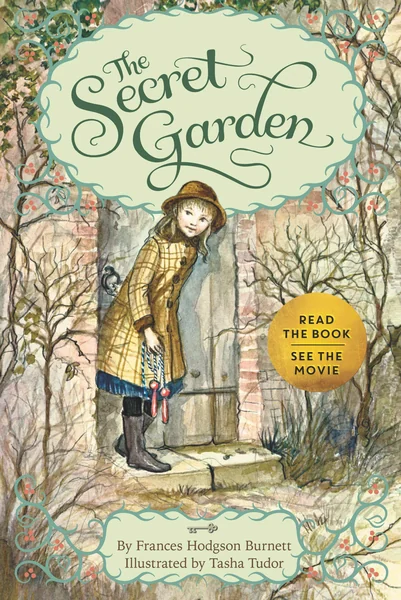
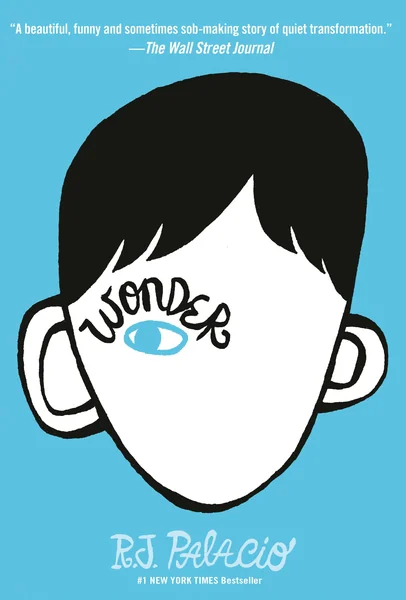
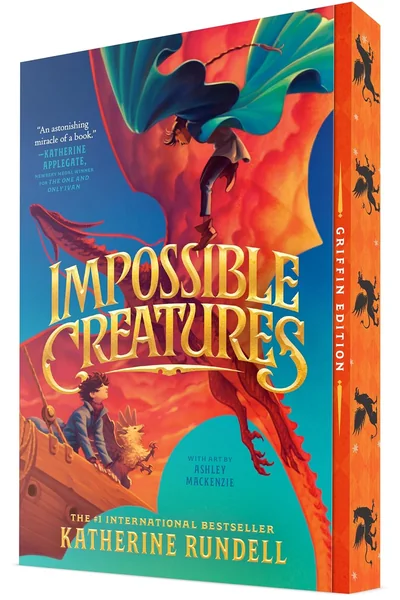
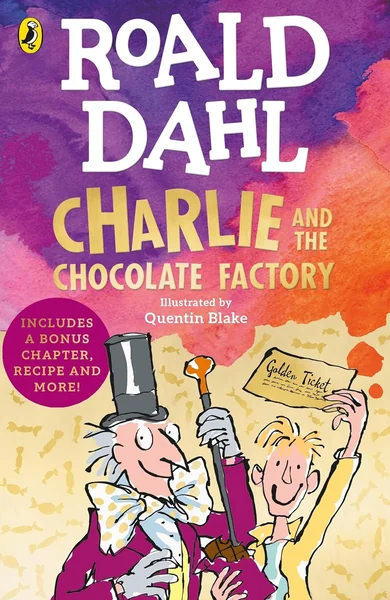
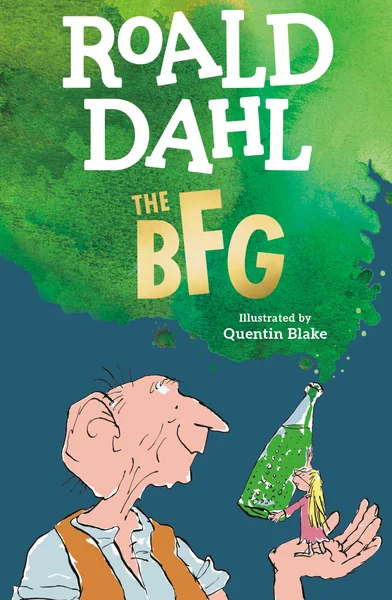
- Readers who love Matilda will find much to enjoy in the other curated books below. Charlie and the Chocolate Factory and The BFG are natural companions — both by Roald Dahl, both built on the same anarchic, child-empowering energy. Wonder by R. J. Palacio similarly centres on a bright, resilient child navigating a world that underestimates them, while The Secret Garden by Frances Hodgson Burnett shares the theme of a neglected child finding strength and belonging. Bridge to Terabithia by Katherine Paterson and Impossible Creatures by Katherine Rundell round out the selection for readers who want imaginative, emotionally rich middle-grade fiction.
- Who should read this?
- Matilda is designed for middle-grade readers, with the publisher listing a grade range of 3–7, and it speaks most powerfully to children who love books and reading as much as its heroine does. Its central message resonates especially strongly with young readers who have ever felt overlooked or underestimated by adults. Adults who enjoyed Dahl's anarchic storytelling in childhood will also find this among his most fully realized works. Families, classrooms, and libraries will find it a perennial essential of children's fiction.
- What age is it for?
- Best for ages 7 and up — the publisher lists a grade range of 3–7, placing the core readership roughly between ages 8 and 12, but confident readers from around age 7 will be well served. The exaggerated portrayals of parental neglect and school tyranny under Miss Trunchbull are played for dramatic and comedic effect rather than realism, but are worth considering when selecting the book for younger or more sensitive children.
- Tell me about the adaptations
- Matilda has had an unusually rich life beyond the page. The 1996 feature film, directed by Danny DeVito, introduced the story to a new generation of viewers. A stage musical adaptation went on to win Tony Awards on Broadway, and in 2022 a Netflix film — Matilda the Musical — brought that production to a global streaming audience. Audio adaptations include readings by Joely Richardson, Miriam Margolyes, and Kate Winslet, as well as a two-part BBC Radio 4 programme. In 2012, the character of Matilda Wormwood was also honoured on a Royal Mail commemorative postage stamp — a marker of the book's place in British cultural heritage.
- About Roald Dahl
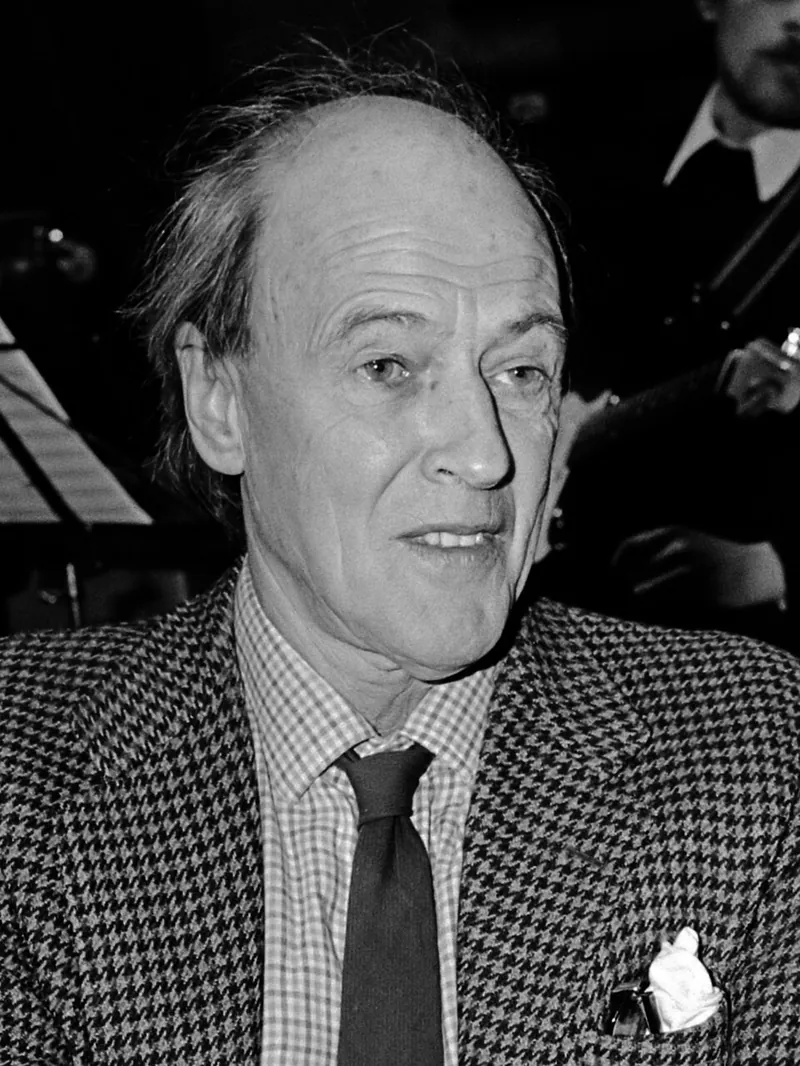
- Roald Dahl was a British author of popular children's literature and short stories, a poet, screenwriter, and a wartime fighter ace.
Summarize this book
Follow up
Synthesized from verified book data & published reviews · How we review
What would you like to know about Matilda?
Answers come from our editorial notes on this book. If we haven't covered something, we'll say so.
Readers often ask
Our Review
We review the evidence: published critics, reader verdicts and BookTube reviews, gathered and weighed with AI assistance and edited by LuvemBooks, rather than one reader's first-hand take.
What the Book Is and What Happens
Standing in the Genre
What the Novel Does Well
Genuine Limitations to Consider
Who This Book Is For
Sources & Further Reading
The key facts and claims in this review are grounded in the retrieved, verified sources listed below.
- Cited in this review
- 1
bookanalysis.com
- 2
- 3
georgelthomas.com
- 4
en.wikipedia.org
- Further reading
- 5
Roald Dahl, LuvemBooks
- 6
en.wikipedia.org
- 7
- 8
shop.scholastic.com
- 9
scatteredbooks.com
- 10
- 11
storyroom.co.uk
- 12
penguinrandomhouse.com
- 13
Kirkus Reviews
Age & Reading Level
Recommended age
Ages 8–12
Reading level
Middle grade
2 content notes · who it suits
Content to know about
Best for: Ages 7+ — longer narrative and vocabulary suit confident younger readers; exaggerated depictions of parental neglect and school tyranny are best navigated with some emotional maturity.
Skip if you prefer psychologically nuanced, realistic adult characters rather than broad comedic caricature.
Reader reviews
Be one of the first readers to answer.
Read it? Was it right for you?
Books like Matilda
Curated picks for readers who enjoyed Matilda, with our reasoning for each match.
More by Roald Dahl
If you liked Matilda