Age Ratings for 8 Classic Children's Books: A Parent's Guide

8 books
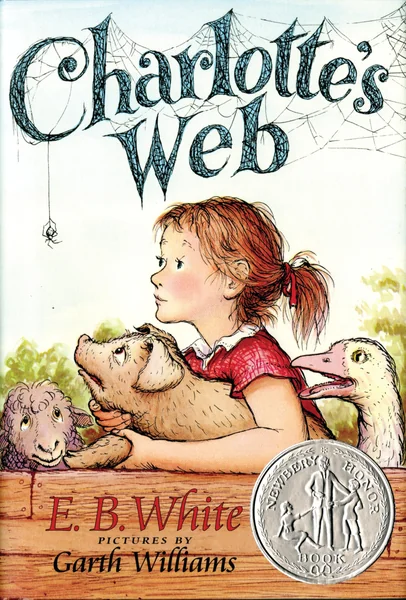
Charlotte's Web: A Newbery Honor Award Winner by E. B. White
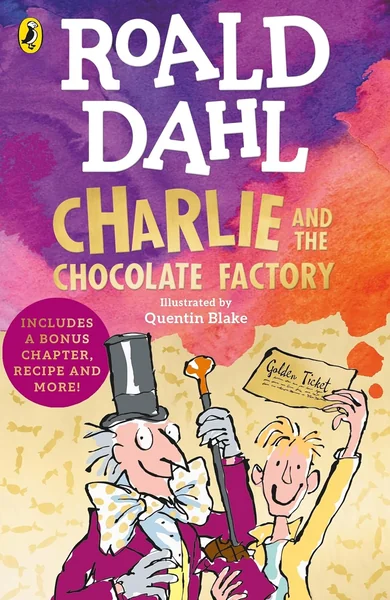
Charlie and the Chocolate Factory by Roald Dahl
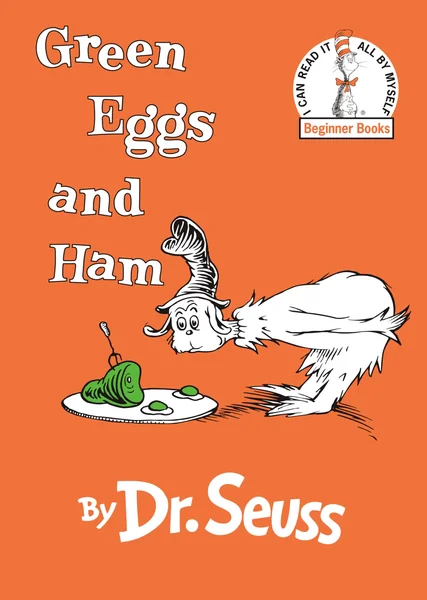
Green Eggs and Ham by Dr. Seuss
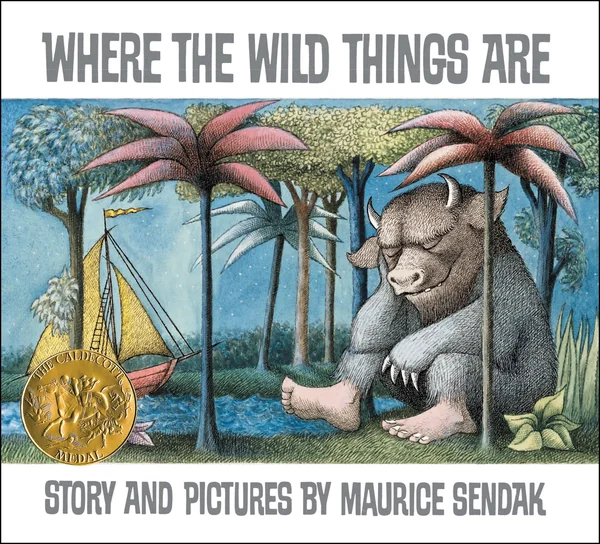
Where the Wild Things Are by Maurice Sendak
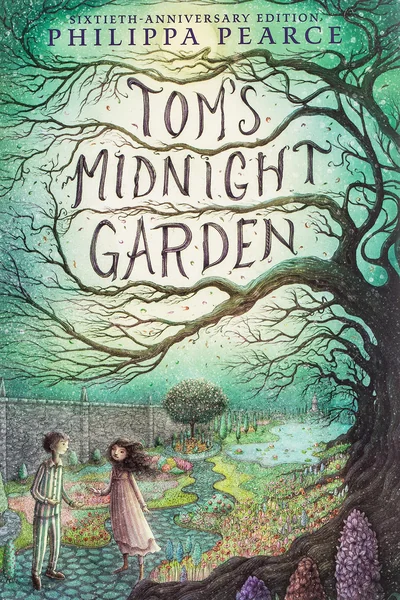
Tom's Midnight Garden by Philippa Pearce
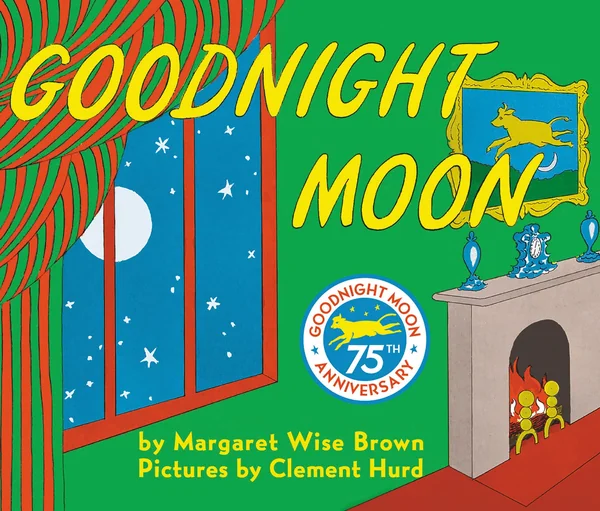
Goodnight Moon by Margaret Wise Brown
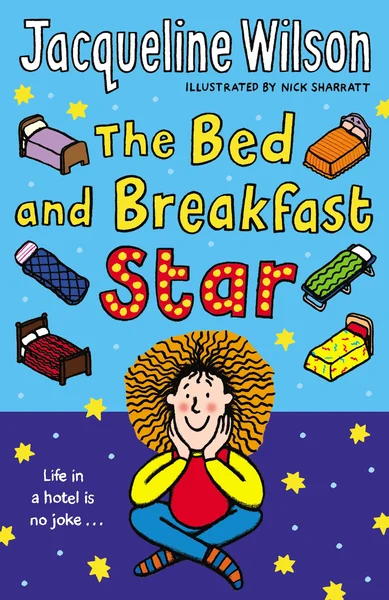
The Bed and Breakfast Star by Jacqueline Wilson
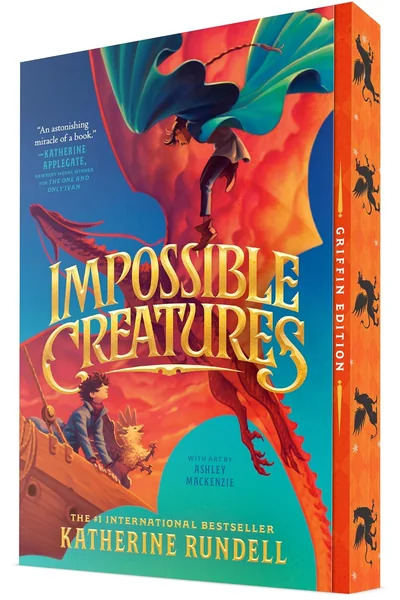
Impossible Creatures by Katherine Rundell
Children's Books

Age Ratings for 8 Classic Children's Books: A Parent's Guide

Curated recommendations for parents, teachers, and librarians vetting books for kids and teens

8 Books
4.7 Avg

Before you hand a book to a child or add it to a classroom shelf, it helps to know exactly what you're working with. Age ratings and reading levels for children's books aren't always straightforward — a picture book can carry surprisingly complex emotional themes, while a middle-grade novel might read well below its recommended age group. That mismatch between reading difficulty and content maturity is exactly where parents, teachers, and librarians often get caught out.

This guide covers eight beloved children's books — from the soothing simplicity of Goodnight Moon to the richly imagined world of Impossible Creatures — breaking down who each book is genuinely suited for. Whether you're vetting a gift, building a reading list, or fielding questions from a curious child who's spotted something on the shelf, these honest, experience-informed assessments are here to help you choose with confidence.

Featured Books

Charlotte's Web: A Newbery Honor Award Winner by E. B. White
Charlie and the Chocolate Factory by Roald Dahl
Green Eggs and Ham by Dr. Seuss
Where the Wild Things Are by Maurice Sendak
Tom's Midnight Garden by Philippa Pearce
Goodnight Moon by Margaret Wise Brown
The Bed and Breakfast Star by Jacqueline Wilson
Impossible Creatures by Katherine Rundell
8
Books in Collection
4.7/5
Average Rating
Jun 5, 2026
Published
#1
Charlotte's Web: A Newbery Honor Award Winner by E. B. White by E. B. White - book cover
Charlotte's Web: A Newbery Honor Award Winner by E. B. White

by E. B. White

4.8/5

The gold standard for introducing children to both loss and loyalty, *Charlotte's Web* earns its place on every reading list not through nostalgia but through craft. E. B. White sets his story on a working farm—not the sanitized picture-book kind—where animals face real consequences and children encounter adult realities alongside genuine wonder. Charlotte herself is a marvel: wise and loyal, but never saccharine. She's a spider who does spider things and happens to be extraordinary with words. Wilbur's journey from frightened piglet to beloved friend gives young readers a safe container for processing grief. The prose is precise without being cold, trusting children to handle complexity when it's presented clearly. Fair warning: the ending brings real tears, and some children aren't ready for that. Read it aloud first to gauge your kid's emotional readiness.
"White never talks down to his young readers, trusting them to understand complexity when it's presented clearly."
Grades 2–5
Level: Lexile 680L
#2
Charlie and the Chocolate Factory by Roald Dahl by Roald Dahl - book cover
Charlie and the Chocolate Factory by Roald Dahl

by Roald Dahl

4.7/5

*Charlie and the Chocolate Factory* remains a reliable crowd-pleaser, and Dahl's instinct for childhood logic—edible wallpaper, candies that look round but taste square—still hits exactly right. Charlie Bucket is one of children's literature's rare genuinely good kids: poor, patient, and never bitter about it, which makes him surprisingly compelling in a genre full of reluctant heroes. The other golden ticket winners function as cautionary archetypes (greed, vanity, gluttony), which can feel heavy-handed but works well for classroom discussion. Worth noting: some of Dahl's humor skews dark and a few character depictions feel dated by today's standards. Quentin Blake's illustrations add warmth throughout. Best for confident independent readers around ages 8–10, though younger children enjoy it read aloud.
"Dahl creates a factory that feels genuinely magical."
Grades 3–6
Level: Lexile 810L
#3
Green Eggs and Ham by Dr. Seuss by Dr. Seuss - book cover
Green Eggs and Ham by Dr. Seuss

by Dr. Seuss

4.9/5

Fifty words. Dr. Seuss built one of the most effective beginner readers ever written using just fifty unique words, and the constraint is the entire point. Repetition creates confidence; confidence creates readers. Sam-I-am's relentless cheerfulness and Guy-Am-I's stubborn resistance model a dynamic kids find genuinely funny, while the underlying message—try something before you decide you hate it—lands without ever feeling like a lesson. For parents and teachers of emerging readers, this is a practical workhorse: short enough to finish in one sitting, rhythmic enough to stay in memory, and structured so children can follow along even before they're fully reading. It won't challenge a child who's already reading chapter books, but for its intended audience of preschool through early first grade, it's close to perfect.
"A masterclass in doing more with less."
PreK–Grade 1
Level: Lexile BR70L
#4
Where the Wild Things Are by Maurice Sendak by Maurice Sendak - book cover
Where the Wild Things Are by Maurice Sendak

by Maurice Sendak

4.9/5

Maurice Sendak's Where the Wild Things Are needs no introduction, but it does deserve a second look before you hand it to a child expecting a tidy moral lesson. This is a book about a child's rage — and it doesn't apologize for that. Max isn't punished into goodness; he processes his feelings through wild fantasy and returns home on his own terms. For most families, that emotional honesty is exactly the point. For those seeking more traditional "here's what we learned" storytelling, it may feel unresolved.
"Monsters that are simultaneously scary and safe — a perfect representation of how children process difficult emotions through play."
Ages 3–7
Level: Beginner / Pre-K
#5
Tom's Midnight Garden by Philippa Pearce by Philippa Pearce - book cover
Tom's Midnight Garden by Philippa Pearce

by Philippa Pearce

4.6/5

Tom's Midnight Garden by Philippa Pearce is one of those quietly magnificent books that doesn't announce itself — it just gets under your skin. Tom is sent to stay with relatives while his brother recovers from measles, a premise that sounds thoroughly unpromising. Then a grandfather clock strikes thirteen, and everything changes. What Pearce does so well is make the magic feel earned rather than convenient. The garden Tom discovers isn't a wonderland of spectacle — it's a place of genuine longing, rooted in time, memory, and the particular grief of growing up. The pacing is slow and deliberate, building atmosphere over action, which means impatient readers may struggle early on. But children who love books that linger — who enjoy sitting inside a story rather than racing through it — will find this deeply rewarding. Adults rereading it often find it hits harder the second time around.
"The prose has an almost dreamlike quality that mirrors Tom's experience of slipping between time periods."
Ages 8–12 / Grades 3–7
Level: Lexile ~870L / Intermediate
#6
Goodnight Moon by Margaret Wise Brown by Margaret Wise Brown - book cover
Goodnight Moon by Margaret Wise Brown

by Margaret Wise Brown

4.9/5

Goodnight Moon by Margaret Wise Brown is about as familiar as children's books get — and for good reason. The gradually dimming illustrations and hypnotic "goodnight" repetitions work like a lullaby you can hold in your hands, making it genuinely effective for settling babies and toddlers from newborn onward. No content concerns whatsoever. If there's a limitation, it's simply this: older preschoolers may outgrow it quickly in favor of stories with more narrative pull.
"A dimming room, a whispered hush, a rhythm that works like a lullaby."
Ages 0–4 / Pre-K
Level: Beginner / Newborn–Preschool
#7
The Bed and Breakfast Star by Jacqueline Wilson by Jacqueline Wilson - book cover
The Bed and Breakfast Star by Jacqueline Wilson

by Jacqueline Wilson

4.5/5

Maurice Sendak's Where the Wild Things Are needs no introduction, but it does deserve a second look before you hand it to a child expecting a tidy moral lesson. This is a book about a child's rage — and it doesn't apologize for that. Max isn't punished into goodness; he processes his feelings through wild fantasy and returns home on his own terms. For most families, that emotional honesty is exactly the point. For those seeking more traditional "here's what we learned" storytelling, it may feel unresolved.
"Monsters that are simultaneously scary and safe — a perfect representation of how children process difficult emotions through play."
Ages 3–7
Level: Beginner / Pre-K
#8
Impossible Creatures by Katherine Rundell by Katherine Rundell - book cover
Impossible Creatures by Katherine Rundell

by Katherine Rundell

4.5/5

Rare is the middle grade fantasy that earns its emotional beats as thoroughly as its world-buildingImpossible Creatures by Katherine Rundell manages both. Christopher, still raw from his grandfather's death, stumbles into a hidden archipelago teeming with griffins, fire-breathing spiders, and creatures that feel genuinely invented rather than borrowed from familiar mythologies. His companion Mal, raised among these animals, is every bit his equal — Rundell sidesteps the tired dynamic where one character exists mainly to explain things to the other, giving them instead a friendship built through shared danger and complementary courage. The prose respects its readers; there's no hand-holding, and loss is treated as real rather than temporary. Pacing does slow in the middle stretch, and readers who prefer action-first storytelling over atmosphere may lose patience. But for kids who loved His Dark Materials or want fantasy with genuine stakes and a world that lingers, this delivers.
"Storytelling that trusts its young readers to handle complexity, loss, and wonder all at once."
Grades 4–7
Level: Approx. Lexile 750–800L
Final Thoughts

Choosing the right book for the right reader at the right moment is one of the most rewarding things a parent, teacher, or librarian can do. The eight titles in this guide span a wide range of ages, reading levels, and emotional complexity — but each one has earned its place in children's literature for good reason.

Use these age ratings and content notes as a starting point, not a rigid rulebook. Children develop at different rates, and a trusted adult's judgment will always matter more than any single label. If a book on this list sparks a question or a conversation, that's often a sign it's doing exactly what great children's literature should. Keep reading alongside them — it makes all the difference.

Frequently Asked Questions

Charlotte's Web is generally recommended for children aged 6 to 10, with a reading level typically placed around Grades 3–5. It's accessible to confident early readers, but the themes of death and loss — handled beautifully by E. B. White — may prompt emotional conversations, particularly with younger children. It's a book well worth reading together.
Charlie and the Chocolate Factory is broadly suitable for ages 6 and up, with most children reading it independently around ages 8–10. A few content sensitivities are worth noting: the punishments that befall the "naughty" children can feel quite severe, and some of Roald Dahl's language and characterisation carries dated attitudes that may warrant a conversation with older readers.
Where the Wild Things Are is a picture book most commonly shared with children aged 3 to 8. The reading level itself is simple, but the book's psychological depth — exploring childhood anger, fantasy, and the safety of home — gives it a richness that resonates at different ages. Some families find the darker, more menacing imagery unsuitable for very young or sensitive children.
Tom's Midnight Garden is best suited to readers aged 9 to 13, with a reading level around Grades 4–6. It's a more demanding read than many middle-grade novels, requiring patience with its slower, atmospheric pacing. The themes of loneliness, time, memory, and loss make it particularly rewarding for thoughtful, emotionally mature readers in that age range.
Yes — The Bed and Breakfast Star by Jacqueline Wilson deals directly with homelessness, family instability, and emotional neglect, which are handled with Wilson's characteristic honesty and warmth. It's recommended for ages 8–12. Parents and teachers should be aware that the themes, while never gratuitously dark, reflect difficult real-world circumstances that may resonate strongly with children in similar situations.
Impossible Creatures is aimed at middle-grade readers aged 9 to 13, and most reviewers place it at a Grade 5–7 reading level. The content is largely suitable for that age group — there's adventure, peril, and emotional loss, but nothing gratuitously frightening or mature. It's a strong choice for confident readers who've enjoyed fantasy series and are ready for something with more literary ambition.