
Essential Books That Help Kids Navigate Life's Challenges
5 books
Children's Books
Essential Books That Help Kids Navigate Life's Challenges
Curated recommendations for Parents of children ages 8-12 seeking books that tackle difficult topics with sensitivity and age-appropriate depth
5 Books
4.7 Avg
Updated Mar 19, 2026
Childhood isn't always sunshine and rainbows—kids face real challenges like bullying, loss, feeling different, and navigating complex friendships. The right book can be a gentle guide through these difficult experiences, offering comfort, understanding, and valuable life lessons wrapped in compelling stories.
This carefully selected collection features five beloved books that tackle tough topics with the sensitivity and depth young readers deserve. From E.B. White's timeless exploration of friendship and mortality in "Charlotte's Web" to R.J. Palacio's powerful message about kindness in "Wonder," these stories help children develop empathy, emotional intelligence, and resilience.
Each book on this list has proven its ability to spark meaningful conversations between parents and children while respecting young readers' capacity for complex emotions. These aren't just stories—they're emotional roadmaps that help kids understand they're not alone in facing life's challenges.
#1
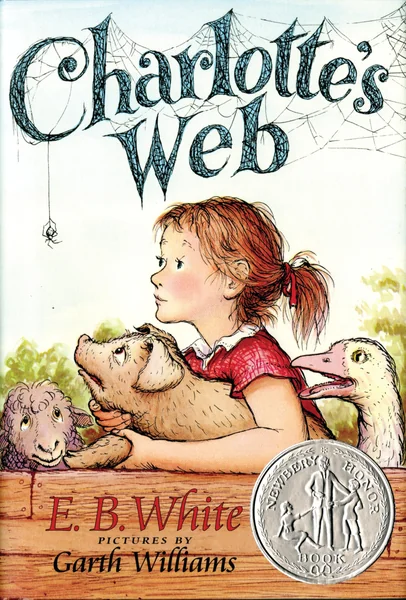
Charlotte's Web: A Newbery Honor Award Winner by E. B. White
by E. B. White
4.8/5
White's barnyard classic remains unmatched in how naturally it introduces children to mortality without trauma. Charlotte's matter-of-fact wisdom about life's cycles, paired with Wilbur's genuine terror and growth, creates space for profound conversations about friendship, sacrifice, and what it means to matter. The author's precise prose never condescends, trusting young readers to handle complexity when presented with clarity and respect. While some farm elements feel dated, the emotional truths remain timeless. This works beautifully as a family read-aloud where parents can gauge reactions and provide support during Charlotte's poignant final chapters.
"White never talks down to his young readers, trusting them to understand complexity when it's presented clearly."
#2
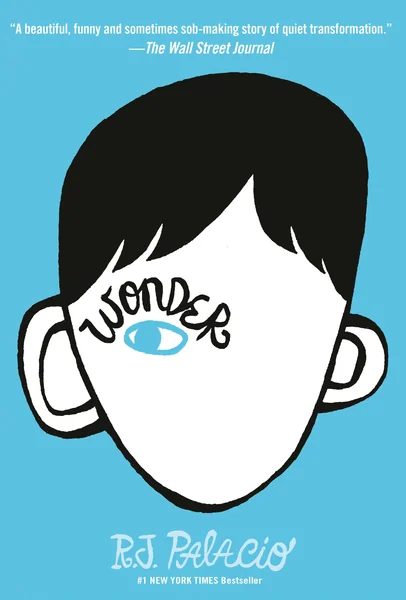
Wonder by R. J. Palacio
by R. J. Palacio
4.7/5
Palacio's multiple-perspective approach prevents this from becoming a simple "be kind" lesson, instead revealing how difference ripples through families and communities. Auggie's journey into mainstream school after years of homeschooling feels authentic, avoiding both pity and false inspiration. The varied viewpoints—from his sister Via to friend Jack Will—show how one person's challenges affect everyone around them. Parents should know this tackles serious bullying incidents head-on, though always within a framework of hope and growth. The emotional weight requires mature 4th graders, but the payoff in empathy-building discussions makes it worthwhile for families ready to engage with these themes together.
"Each voice reveals different layers of the central conflict: how we treat those who look different."
#3
Bridge to Terabithia by Katherine Paterson
by Katherine Paterson
4.7/5
Paterson crafts something deceptively complex—a story that begins with childhood friendship and imagination before confronting grief with startling honesty. Jesse and Leslie's creation of their magical kingdom Terabithia feels genuinely childlike, built from creek-crossing adventures and shared outsider status. But this isn't a gentle introduction to loss like Charlotte's Web; Paterson's approach to tragedy feels more sudden and realistic, which makes it both powerful and potentially overwhelming. The book assumes emotional maturity that doesn't always align with reading level. Parents should consider their child's experience with loss and their own readiness to process difficult emotions together, as this one tends to hit harder than families expect.
"Paterson's approach to grief feels more sudden and realistic than many other children's classics."
#4
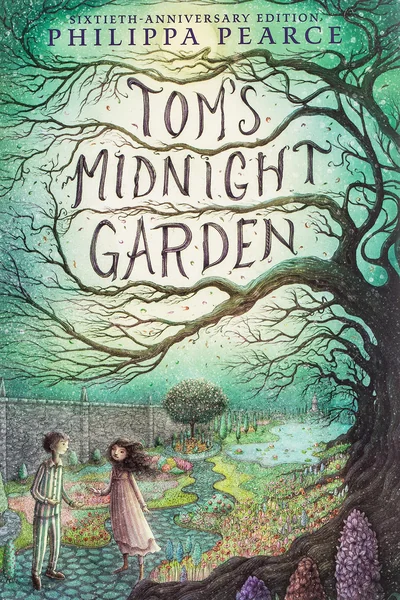
Tom's Midnight Garden by Philippa Pearce
by Philippa Pearce
4.6/5
Philippa Pearce's time-travel masterpiece offers parents a rare gift: a book that tackles loneliness, displacement, and the passage of time without sacrificing wonder. When Tom discovers the midnight garden that exists beyond the thirteen chimes of an old grandfather clock, children experience genuine magic rooted in emotional truth rather than flashy effects. Pearce's lyrical prose respects young readers' intelligence while building atmosphere through deliberate pacing that rewards patience over instant gratification. The story's exploration of friendship across time periods helps children process feelings of isolation and change—particularly relevant for kids experiencing moves, family transitions, or feeling like outsiders. Tom's relationship with Hatty, the Victorian girl he meets in the garden, demonstrates how connection can transcend circumstances. While some modern readers may find the pacing slower than contemporary fantasy, this Carnegie Medal winner rewards families seeking literature that lingers in memory long after the final page.
"Pearce writes with a clarity that never talks down to young readers while maintaining the lyrical quality that elevates this above typical children's fiction."
#5
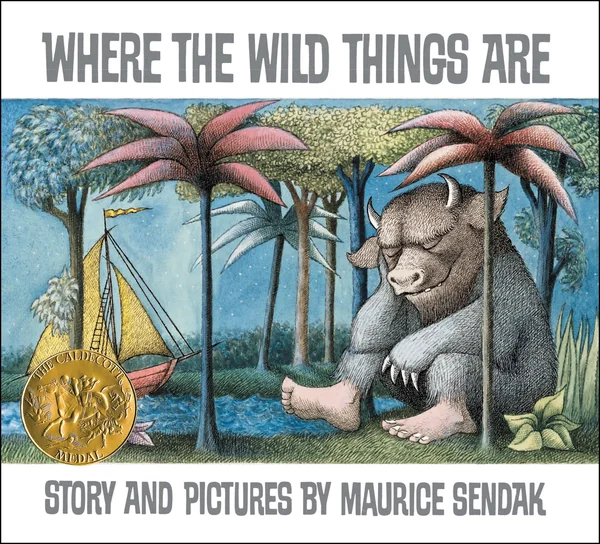
Where the Wild Things Are by Maurice Sendak
by Maurice Sendak
4.9/5
Don't let the picture book format fool you—Sendak's classic tackles childhood rage with psychological complexity that many longer novels avoid. Max's wild rumpus isn't cute misbehavior; it's an honest portrayal of how children process overwhelming emotions through fantasy and play. The illustrations literally expand as Max's imagination takes hold, creating a visual metaphor for emotional release that speaks directly to young readers' experiences. For parents seeking books that validate rather than shame difficult feelings, this remains unmatched. However, families preferring clear moral lessons may find Max's journey unsettling—he doesn't apologize or learn traditional consequences, but rather works through his anger in his own way. The Wild Things themselves, drawn from Sendak's own childhood fears, manage to be simultaneously frightening and safe.
"Max isn't a perfect protagonist—he's a real child having a real tantrum."
Final Thoughts
Literature has an extraordinary power to prepare children for life's inevitable difficulties while building their emotional vocabulary and resilience. These five books serve as trusted companions during challenging times, offering both comfort and wisdom through beautifully crafted stories.
Remember that every child processes difficult topics differently. Use these books as starting points for conversations, allowing your child to guide discussions at their own pace. The goal isn't to shield children from life's realities, but to give them the tools and perspective they need to navigate challenges with courage and compassion.
These stories will stay with your children long after the final page, continuing to offer guidance and comfort as they grow into thoughtful, empathetic individuals.
Frequently Asked Questions
Are these books too heavy or sad for sensitive children?
While these books address serious themes, they're crafted with children's emotional needs in mind. Books like "Charlotte's Web" and "Bridge to Terabithia" balance difficult topics with hope and beautiful storytelling. Consider your child's maturity level and be available for discussions.
What age is most appropriate for these books?
These selections work best for ages 8-12, though mature 7-year-olds or younger teens may also benefit. "Where the Wild Things Are" skews younger, while "Wonder" and "Bridge to Terabithia" are ideal for older kids in this range.
Should I read these books with my child or let them read independently?
Both approaches work well. Reading together allows for immediate discussion of difficult moments, while independent reading lets children process at their own pace. Consider starting with a read-aloud and transitioning to independent reading for subsequent books.
How do I start conversations about the difficult topics in these books?
Let your child lead initially by asking open-ended questions like "What did you think about..." or "How did that make you feel?" Many children will naturally want to discuss impactful moments. Be prepared to answer their questions honestly and age-appropriately.
Are there content warnings parents should know about?
"Charlotte's Web" and "Bridge to Terabithia" deal with death, "Wonder" addresses bullying and physical differences, and "Where the Wild Things Are" explores anger and behavioral challenges. None are graphic, but all require emotional maturity.
Can these books help children going through similar situations?
Absolutely. Children facing loss, feeling different, or struggling with friendships often find comfort in seeing characters navigate similar challenges. These books help normalize difficult emotions and provide coping strategies through storytelling.