
At a glance
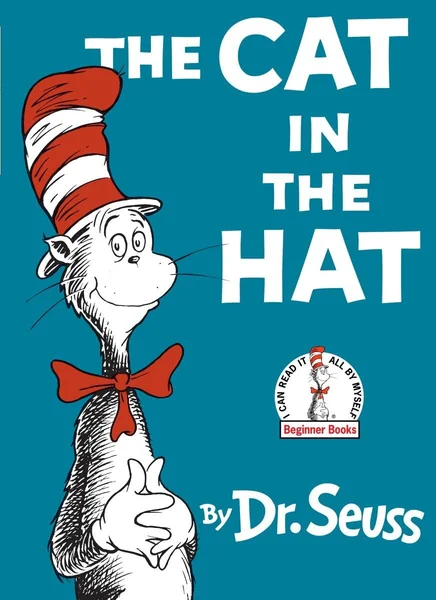
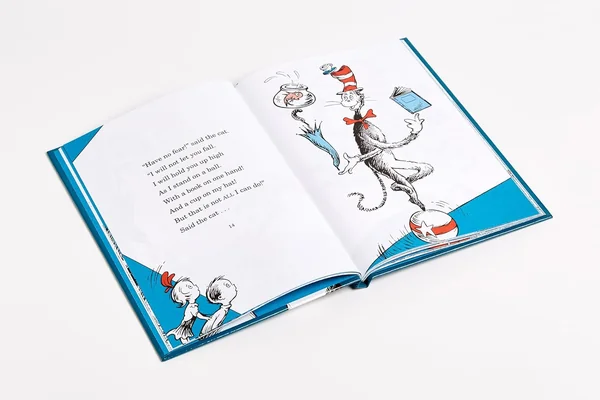
The Cat in the Hat
by Dr. Seuss
LuvemBooks Verdict
Best for: Caregivers, early-years educators, and anyone curious about how a single 61-page picture book reshaped the architecture of children's literacy publishing — as well as parents seeking a proven, vocabulary-controlled first reader for children roughly aged two to six.
Worth it? Skip it? Read the full verdict →Preview the book
Ask LuvemBooks
Was this helpful?
- Is it worth reading?
- For caregivers, educators, and anyone curious about the history of children's literacy publishing, the case for The Cat in the Hat is well established and still standing. The book's vocabulary-controlled format was a deliberate response to the dull Dick and Jane primers of the 1950s, and it succeeded so completely that it directly spawned the Beginner Books imprint at Random House and — by Geisel's own account — had 'something to do with the death of the Dick and Jane primers.' The enormous cultural shadow it casts can make fresh engagement harder for adult readers approaching it critically, but its layered themes of transgression and absent authority reward serious analysis alongside its appeal to young readers.
- Similar books
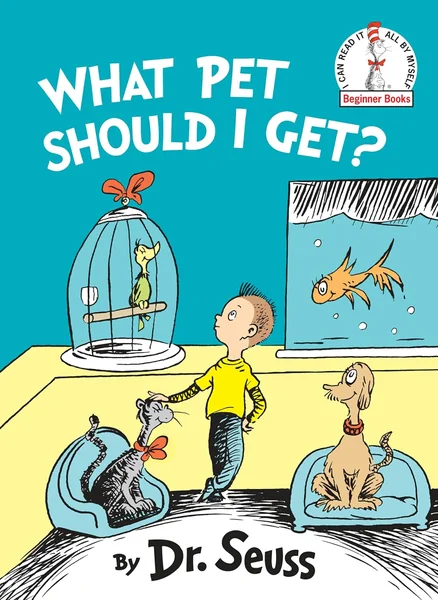
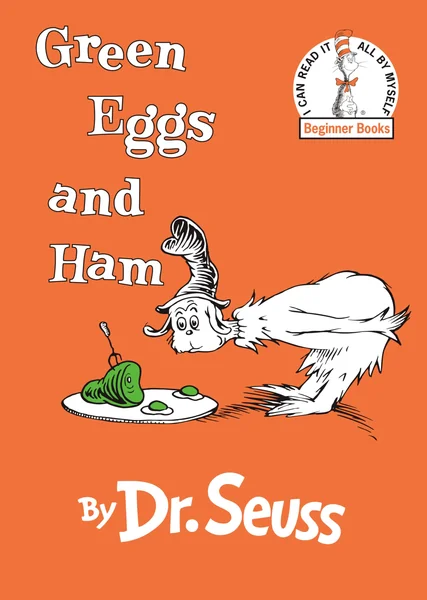
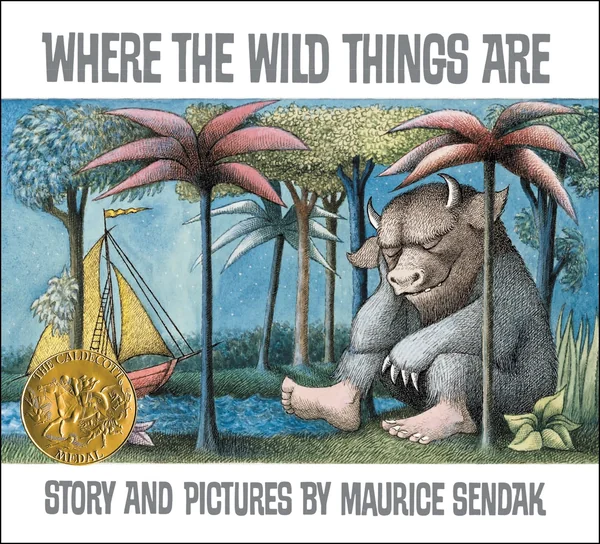
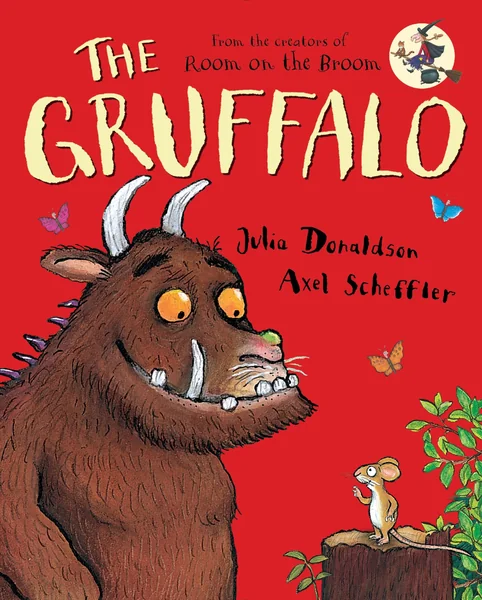
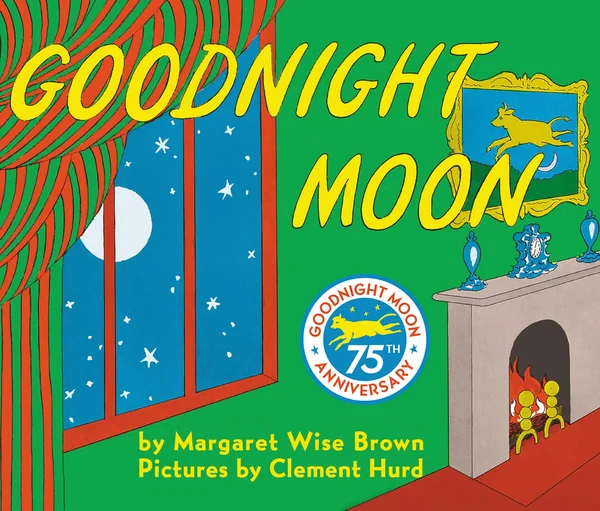
- Readers drawn to The Cat in the Hat will find natural companions among the classic picture books curated below. Dr. Seuss's own Green Eggs and Ham shares the same Beginner Books philosophy of vocabulary control and rhyming propulsion, while What Pet Should I Get? offers another Seuss title in the same early-reader tradition. Where the Wild Things Are by Maurice Sendak is the closest thematic parallel — another story of a child, absent parental authority, and the question of who cleans up after the chaos of imagination. The Very Hungry Caterpillar by Eric Carle and Goodnight Moon by Margaret Wise Brown round out the canon of mid-century picture books that, alongside Seuss, defined the genre.
- Who should read this?
- The Cat in the Hat is designed primarily for children between roughly ages two and six, and Random House positioned it as the founding title of its Beginner Books series — intended to motivate children to read on their own through simple vocabulary and reinforcing illustrations. Beyond its core early-reader audience, it's essential reading for caregivers, educators, and anyone curious about the history of children's literacy publishing: this is the book Geisel himself said had 'something to do with the death of the Dick and Jane primers.' Adult readers approaching it critically will find genuine rewards in its layered themes of transgression, absent authority, and domestic disorder — themes Louis Menand excavated in a celebrated 2002 New Yorker essay.
- What age is it for?
- Best for ages 2 to 6. Random House designed The Cat in the Hat as the founding title of its Beginner Books series, with a strictly controlled vocabulary and illustrations that reinforce word meaning, specifically to support children learning to read independently. The rhyme scheme and simple sentence structures make it most effective as a shared read-aloud for very young children and an independent first reader for children in the early primary years.
- About Dr. Seuss
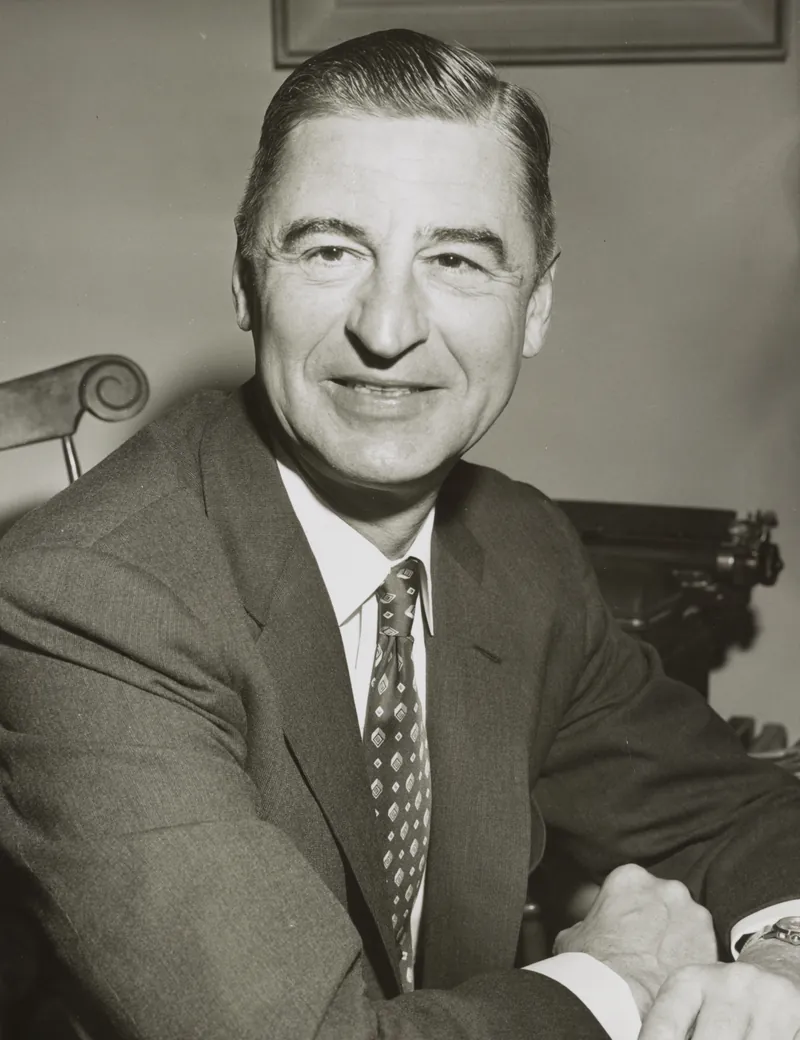
- Theodor Seuss Geisel was an American children's author, illustrator, animator, and cartoonist.
- Tell me about the adaptation
- A new animated film adaptation of The Cat in the Hat is in production, directed by Alessandro Carloni and Erica Rivinoja, with Bill Hader voicing the Cat. It is due for release in 2026 and is the first feature-length take on the book since the widely-panned 2003 live-action version. The renewed production has generated significant fresh interest in the original story and the character's enduring hold on popular culture more than sixty years after the book's debut.
- Why is this book trending?
- The Cat in the Hat is trending because a brand-new animated film adaptation is in production, directed by Alessandro Carloni and Erica Rivinoja and starring Bill Hader as the Cat, set for a 2026 release. It is the first feature-length take on the classic book since the widely-panned 2003 live-action version, making it a genuine event for fans of the original. The announcement has renewed widespread interest in the source material and the character's sustained cultural hold more than sixty years after the book's debut.
Summarize this book
Follow up
Synthesized from verified book data & published reviews · How we review
Press Enter to ask. Answers come from our editorial Q&A — start typing to see related questions.
Age & Reading Level
Recommended age
Ages 5–8
who it suits
Best for: Ages 2–6 (read-aloud) / Ages 5–8 (independent reading) — the strictly controlled vocabulary and short sentence structures are calibrated for early and emerging readers; older independent readers will find it very brief.
Skip if you're looking for an expansive, plot-driven story with complex characters — the vocabulary-controlled format makes narrative and character depth a deliberate non-feature.
Editorial Review
First published by Random House in 1957, The Cat in the Hat by Theodor "Dr. Seuss" Geisel is one of the most consequential children's books ever written — a deliberate act of educational disruption that became a cultural institution, ranked number nine on Publishers Weekly's all-time list of best-selling children's books and placing at number 36 on School critical coverage's "Top 100 Picture Books" survey in 2012.
Read the Full ReviewBooks like The Cat in the Hat
Curated picks for readers who enjoyed The Cat in the Hat, with our reasoning for each match.
More by Dr. Seuss
If you liked The Cat in the Hat
Why It’s Trending
New Cat in the Hat Movie Coming to Theaters November 6, 2026
A brand-new animated Cat in the Hat film from Warner Bros. is hitting theaters on November 6, 2026, written and directed by Erica Rivinoja. It's the first major studio adaptation of the beloved Dr. Seuss classic since the widely panned 2003 Mike Myers version — and people are paying attention.