At a glance

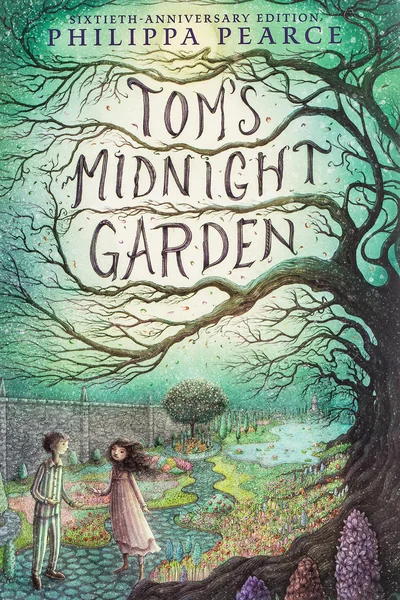
Tom's Midnight Garden
LuvemBooks Verdict
Best for: Children aged eight to twelve — and the adults and educators who share books with them — who are drawn to emotionally precise, atmospherically rich fantasy and have the patience for a mystery that unfolds through accumulation rather than action.
Worth it? Skip it? Read the full verdict →Preview the book
Ask LuvemBooks
Was this helpful?
- Is it worth reading?
- For readers willing to meet the book on its own terms, Tom's Midnight Garden is widely regarded as essential. The Carnegie Medal committee recognised it on publication in 1958, and nearly fifty years later the British public voted it the nation's second-favourite Medal-winning work of all time — with Philip Pullman, whose Northern Lights took first place, graciously acknowledging Pearce's stature. The fantasy's rules around Tom's visibility, Hatty's ageing, and the garden's time operate with genuine internal consistency rather than arbitrary magic, giving the story both intellectual rigour and emotional precision. The one honest caveat is pacing: this is a novel built on atmosphere and accumulation, not plot momentum, and readers expecting action-driven middle-grade fiction may find it slow.
- Similar books
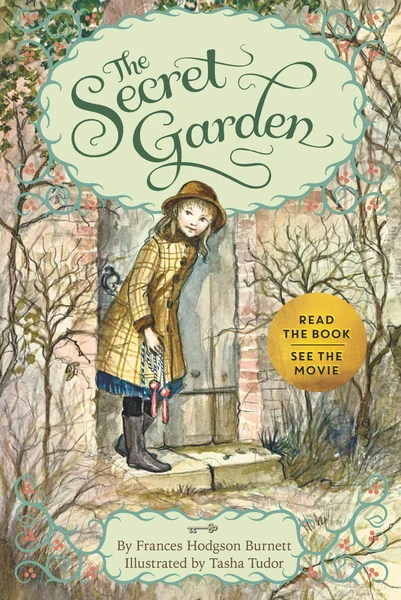
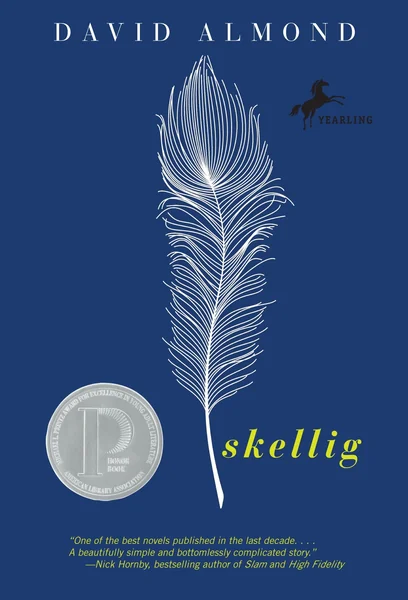
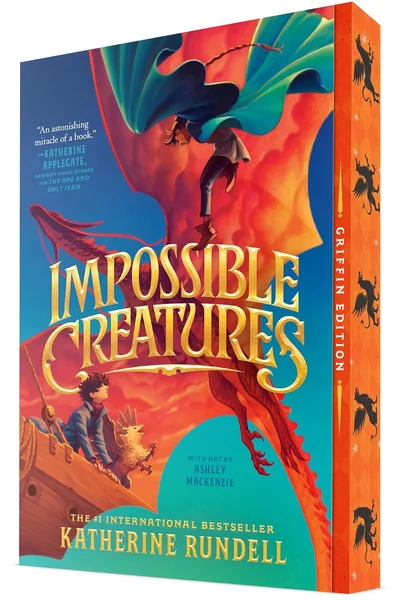
- Readers drawn to Tom's Midnight Garden often find rich common ground with The Secret Garden by Frances Hodgson Burnett — another classic in which a lonely child discovers a hidden, restorative garden — and with Skellig by David Almond, which shares the same emotionally precise, quietly strange register. Bridge to Terabithia by Katherine Paterson covers similar territory of childhood imagination, friendship, and loss, while Charlotte's Web by E. B. White offers the same blend of genuine feeling and philosophical undercurrent in a deceptively simple story. For readers who want something more recent, Impossible Creatures by Katherine Rundell brings a similarly inventive fantasy world with strong emotional stakes. Philippa Pearce's own Minnow on the Say is also frequently mentioned alongside this novel for readers who want more from the same author.
- Who should read this?
- The 2018 Greenwillow Books anniversary edition is aimed squarely at readers between roughly eight and twelve, the age at which the loneliness and the magic of a secret nocturnal world resonate most directly. Patient readers in that range who enjoy mysteries that unfold through atmosphere — rather than action — will find it especially absorbing. Adults returning to the book, and parents or educators reading it aloud, will find it equally rewarding: the review specifically notes that the Guardian's account evokes classroom read-alouds stretching across weeks, and that the novel's engagement with J. W. Dunne's theory of time gives older readers a thread younger audiences would miss. Readers who want fast-paced, plot-driven middle-grade fiction are the one group for whom this is likely not the right fit.
- What age is it for?
- Best for ages 8 and up. The 2018 Greenwillow Books anniversary edition is aimed at readers between roughly eight and twelve, and the novel's deliberate pacing, accumulative mystery, and philosophical undertow — including the ideas around J. W. Dunne's theory of time — suit confident readers in that range and older. Younger or less patient readers may find the atmospheric, slow-building structure challenging, while older children and adults find the same qualities rewarding.
- Tell me about the adaptations
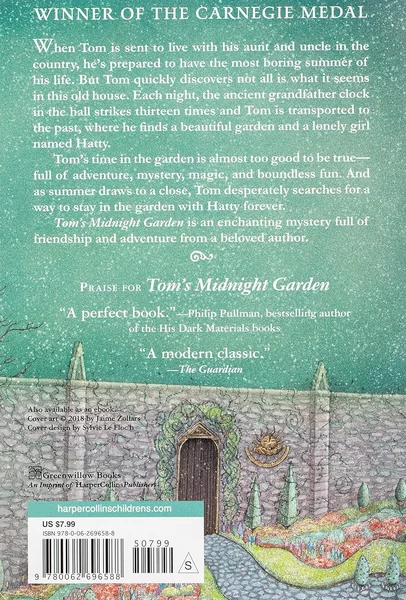
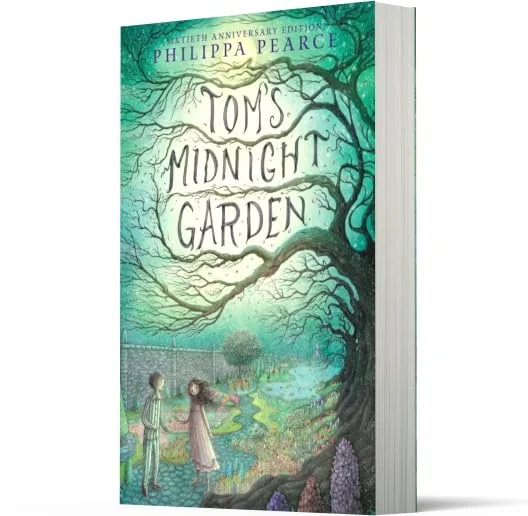
- Tom's Midnight Garden has been adapted for BBC television and radio three times — in 1968, 1974, and 1988 — as well as for the stage, making it one of the most frequently revisited British children's novels in broadcast media. The review cites this extraordinary adaptive longevity as evidence of the novel's durability: it has never gone out of print in over sixty years and has continued to attract new productions across formats. A 2018 anniversary edition from Greenwillow Books, illustrated by Jaime Zollars, has also served as a new point of entry for contemporary readers.
- What are the main themes?
- The novel's central preoccupation is time — specifically, the way it moves differently for different people, and what is lost when its passage cannot be shared. Tom and Hatty age at entirely different rates across their friendship, and the clock inscription "Time no longer" functions as both plot mechanism and thematic key throughout. Closely bound to the theme of time is the theme of loss: the garden itself is a vanished world accessible only in the margins of night, and the novel meditates on loneliness, transience, and the grief of outgrowing a friendship. Some critics, including researcher Ward Bradley, have also identified a class dimension: the Victorian garden is presented as a paradise against the diminished modern present of Tom's converted-flat existence, which the review notes is an argument not without merit.
Summarize this book
Follow up
Synthesized from verified book data & published reviews · How we review
Press Enter to ask. Answers come from our editorial Q&A — start typing to see related questions.
Age & Reading Level
Recommended age
Ages 8–12
Reading level
Middle grade
2 content notes · who it suits
Content to know about
Best for: Ages 8+ — the novel's deliberate pacing, accumulative mystery, and philosophical underpinnings around J. W. Dunne's theory of time suit confident readers of eight and above; younger independent readers may find the atmospheric structure slow-going.
Skip if you want fast-paced, action-driven middle-grade adventure with a plot that builds through incident rather than atmosphere.
Editorial Review
Philippa Pearce's Tom's Midnight Garden, first published in 1958, is a Carnegie Medal–winning children's fantasy novel that has endured for more than six decades as one of the most celebrated works in British children's literature. When twelve-year-old Tom Long is quarantined with his aunt and uncle after his brother contracts measles, a grandfather clock that strikes thirteen opens the door to a vanished Victorian garden — and to Hatty, a lonely girl who becomes his inseparable companion across time.…
Read the Full ReviewBooks like Tom's Midnight Garden
Curated picks for readers who enjoyed Tom's Midnight Garden, with our reasoning for each match.
If you liked Tom's Midnight Garden