8 min read
Share This Review

Our review
The Secret Garden
The Secret Garden by Frances Hodgson Burnett Review: A Timeless Classic of Childhood Transformation
Frances Hodgson Burnett's The Secret Garden, first published in book form in 1911 and available in a HarperCollins reprint edition illustrated by Tasha Tudor, remains a cornerstone of English children's literature — a richly structured story of a difficult, neglected child whose encounter with a locked garden, a hidden boy, and the wild Yorkshire moors reshapes her entirely.
LuvemBooks Verdict
Best for
Readers aged eight and up — and adults revisiting childhood favourites — who want a psychologically honest portrait of a difficult child, and who appreciate character-driven, atmospherically rich fiction over plot-propelled adventure.
Worth it if
You value structural elegance and slow-burn character transformation, and are drawn to a confirmed classic that rewards re-reading at different life stages for its layered treatment of grief, neglect, and regeneration.
Skip if
You're expecting a briskly plotted adventure, or are introducing the book to younger children without being prepared to address its unexamined colonial-era attitudes towards India and its Indian characters.
What readers & critics say
Wikipedia records that the novel garnered largely warm reviews and sold well upon its 1911 publication, with a second printing announced within a month, and notes that critic Marghanita Laski's 1950s reassessment ranked it as the best of Burnett's three celebrated children's books. Britannica observes that the physical and spiritual healing Mary and Colin experience in the garden is mirrored deliberately in the natural calendar, an architectural quality that has helped secure the novel's status as a classic of children's literature.
“Although at the beginning it is very slow moving and long, it is a really unputdownable gem of a book.”
— theguardian.comAsk LuvemBooks
Was this helpful?
- Is it worth reading?
- For readers willing to meet the novel on its own atmospheric terms, The Secret Garden more than justifies its canonical status. Its portrait of Mary Lennox — aggressive, entitled, and genuinely difficult at the outset — is unusually unsentimental for children's literature, and the seasonal scaffolding that structures the characters' transformation gives the book an architectural elegance that rewards careful reading. The caveat is pacing: the middle sections linger on atmosphere and Colin's psychology rather than advancing plot, and readers expecting adventure-story momentum may find that frustrating. For adults revisiting it, the thematic layering around grief, neglect, and regeneration becomes significantly more visible than it does on a first childhood reading.
- Similar books
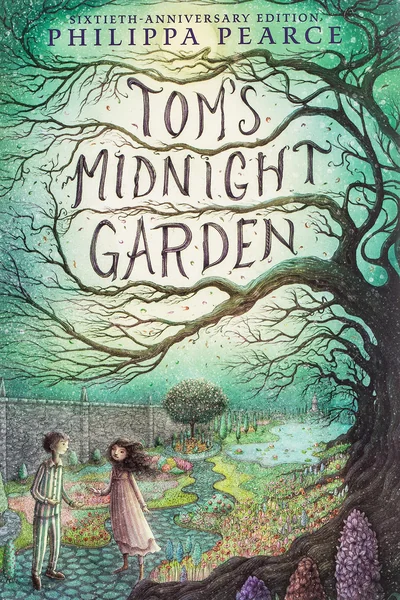
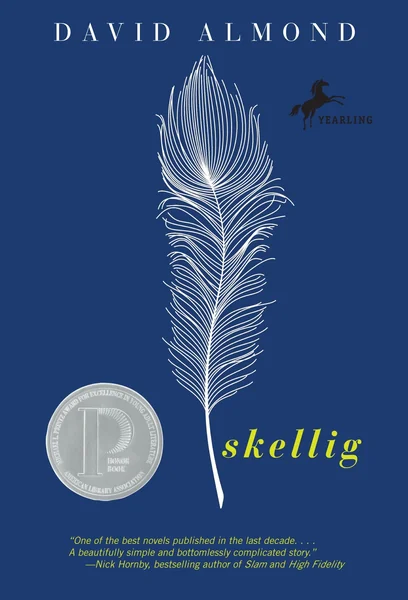
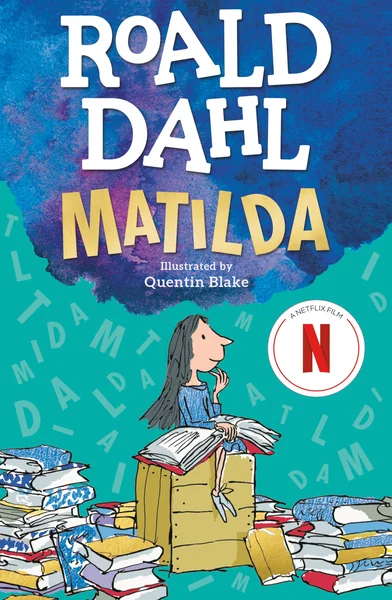
- Readers drawn to The Secret Garden's blend of a difficult child protagonist, atmospheric setting, and quiet transformative magic will find strong companions among the curated recommendations below. Tom's Midnight Garden by Philippa Pearce shares the device of a hidden, temporally charged garden as a space of psychological discovery. Matilda by Roald Dahl offers another acutely observed portrait of a clever, neglected child finding agency through unexpected means. Bridge to Terabithia by Katherine Paterson and Skellig by David Almond both explore childhood grief and regeneration with the same emotional seriousness Burnett brings to Colin's arc. A Little Princess, also by Burnett but not currently in the catalogue, is the most direct companion piece in terms of author and era.
- Who should read this?
- The Secret Garden is designed for readers aged approximately eight and up, with the review noting it is commonly assigned in grades four through seven. It is particularly well suited to thoughtful, self-reflective children — critic Marghanita Laski specifically identified that capacity as the quality it speaks to most directly. Adults revisiting the novel will find its themes of grief, neglect, and regeneration considerably more layered than they may have appeared in childhood. Readers who need a fast-moving plot should be aware that the novel's pacing is deliberate and atmosphere-driven, especially in its middle sections.
- What age is it for?
- Best for ages 8 and up. The review places the novel's intended audience at approximately eight and older, with common classroom assignment spanning grades four through seven. The psychological complexity of Colin's arc — his convinced belief in his own imminent death and the gradual unwinding of that belief — suits confident readers who can follow interiority as well as event. Colonial-era depictions of India are present and worth contextualising for younger readers.
- About Frances Hodgson Burnett
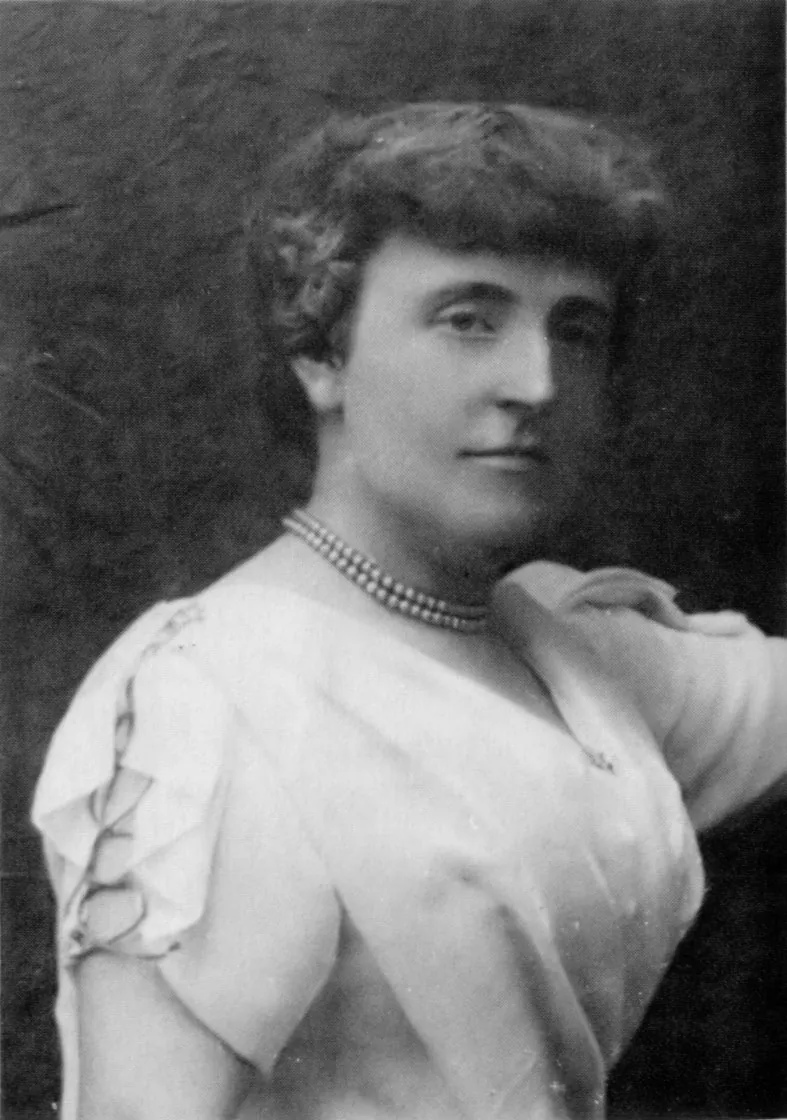
- Frances Eliza Hodgson Burnett was a British-American novelist and playwright.
- What are the main themes?
- The Secret Garden is built around grief, neglect, nature, and regeneration. Archibald Craven's locked garden is a literalised image of unprocessed grief — the garden sealed away, left to die, mirroring Archibald's own emotional shutdown after Lilias's death. Mary Lennox and Colin both arrive at the novel as products of neglect, and their healing is presented not as a reward for goodness but as something actively grown through contact with the natural world and each other's company. Burnett's interest in Christian Science and theosophy shapes the novel's quasi-spiritual dimension: healing comes not through medicine or authority but through the children's own directed will and engagement with living things.
Summarize this book
Follow up
Synthesized from verified book data & published reviews · How we review
What would you like to know about The Secret Garden?
Answers come from our editorial notes on this book. If we haven't covered something, we'll say so.
Readers often ask
Our Review
We review the evidence: published critics, reader verdicts and BookTube reviews, gathered and weighed with AI assistance and edited by LuvemBooks, rather than one reader's first-hand take.
What the Novel Is and What Happens
The Novel's Place in Literature and Its Lasting Reputation
What the Novel Does Exceptionally Well
Genuine Limitations and Who May Struggle with It
Who This Edition Is For and How It Reads Today
Sources & Further Reading
The key facts and claims in this review are grounded in the retrieved, verified sources listed below.
- Cited in this review
- 1
- 2
- Further reading
- 3
Frances Hodgson Burnett, LuvemBooks
- 4
en.wikipedia.org
- 5
- 6
- 7
- 8
commonsensemedia.org
- 9
americanliterature.com
- 10
dearauthor.com
- 11
greenishbookshelf.com
- 12
thebooksareeverywhere.com
- 13
- 14
Age & Reading Level
Recommended age
Ages 8+
Reading level
Middle grade
1 content note · who it suits
Content to know about
Best for: Ages 8+ — abstract psychological themes and longer, atmosphere-driven prose suit confident middle-grade readers; colonial depictions of India warrant contextual discussion for younger readers.
Skip if you want a fast-paced, plot-driven adventure story.
Reader reviews
Be one of the first readers to answer.
Read it? Was it right for you?
Books like The Secret Garden
Curated picks for readers who enjoyed The Secret Garden, with our reasoning for each match.

If you liked The Secret Garden