
At a glance
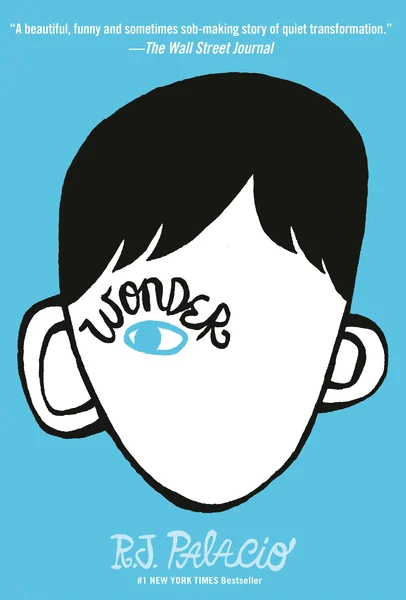
Wonder
LuvemBooks Verdict
Best for: Middle-grade readers aged nine to eleven — and the parents, teachers, or book-club facilitators who want a classroom-ready novel that opens honest conversations about difference, belonging, and the cost of cruelty.
Worth it? Skip it? Read the full verdict →Ask LuvemBooks
Was this helpful?
- Is it worth reading?
- For its intended middle-grade audience and beyond, Wonder holds up as one of the most emotionally rich and structurally ambitious novels of the past decade. Critics described it as "a crackling page-turner filled with characters you can't help but root for," and the Wall Street Journal credited "the uncommon generosity" with which Palacio tells Auggie's story as central to its impact. The one honest caveat: readers who prefer a single, unbroken narrator may find the gear-shifts between Auggie, Via, and Jack disruptive to momentum, particularly in the novel's middle section.
- Similar books
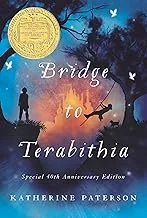
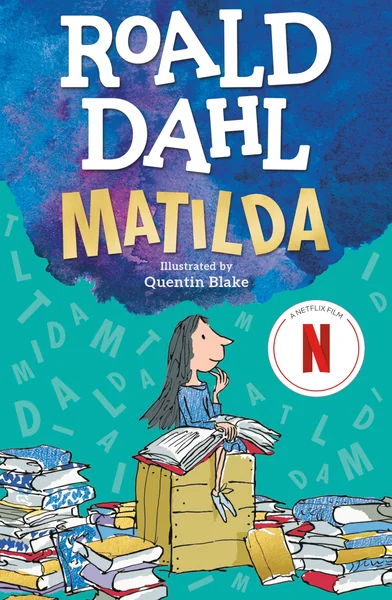
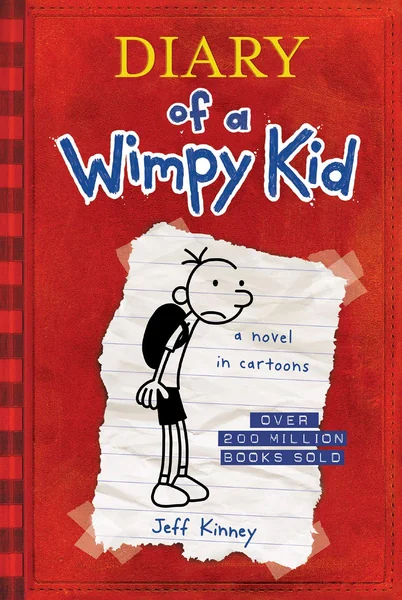
- Readers who connected with Wonder's themes of difference, belonging, and school life will find strong companions in several middle-grade classics. Sharon Draper's Out of My Mind similarly places a child with a significant condition at the centre of a school narrative with emotional honesty. Roald Dahl's Matilda and Katherine Paterson's Bridge to Terabithia both explore outsider children navigating worlds that don't fully understand them, while Jeff Kinney's Diary of a Wimpy Kid shares Wonder's middle-school social dynamics, though with a considerably lighter touch.
- Who should read this?
- Wonder is designed for readers approximately nine to eleven years old — roughly grades three through seven — though its themes of belonging, the cost of cruelty, and the complexity of loyalty have drawn adult readers as well. It is particularly well suited to classrooms and family reading, since the rotating narrators ensure conversation-worthy complexity: no single character, including Julian the bully, is rendered without context. Readers who want a single sustained narrator or a lighter emotional experience may find it a less comfortable fit.
- What age is it for?
- Best for ages 9–11 (roughly grades 3–7), though confident readers as young as 8 can engage with the text. Palacio's multi-narrator structure and its sustained exploration of bullying, exclusion, and family tension make it more emotionally demanding than lighter middle-grade fare, which is worth bearing in mind for children at the younger end of the range.
- Tell me about the adaptation
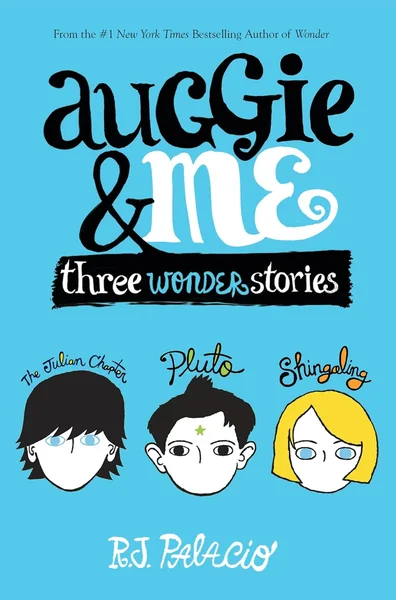
- A major film adaptation of Wonder was released in 2017, bringing Auggie's story to a wide theatrical audience and extending the novel's cultural reach. The connected spin-off story White Bird — one of several works Palacio has set in the Wonder universe — generated its own film adaptation in 2024. These adaptations offer additional entry points for readers who connect with the world of Auggie and Beecher Prep.
- What are the main themes?
- Wonder is built around the intersecting themes of belonging, the cost of cruelty, the complexity of loyalty, and what Palacio calls the quiet work of becoming kind. The multi-narrator structure — giving interior lives to Auggie, Via, Jack, and others — ensures these themes are explored from multiple angles rather than as a simple lesson: even Julian, the primary antagonist, is rendered with enough context to resist easy categorisation. The novel's central message inspired the Choose Kind movement, which has been adopted in school curricula across multiple countries.
- About R. J. Palacio
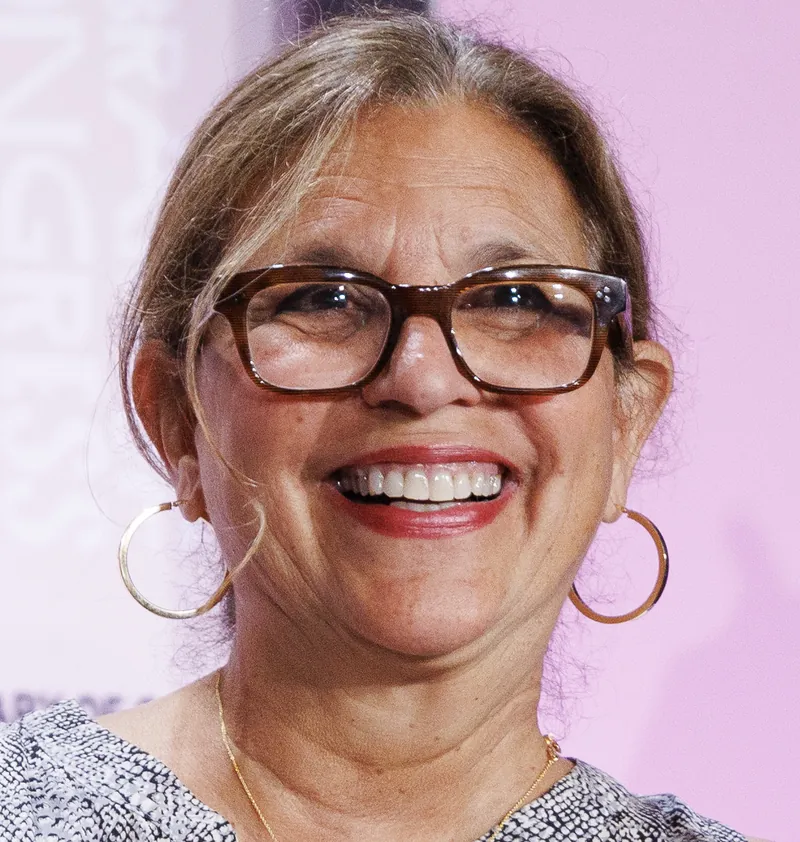
- Raquel Jaramillo Palacio is an American author and graphic designer.
Summarize this book
Follow up
Synthesized from verified book data & published reviews · How we review
Press Enter to ask. Answers come from our editorial Q&A — start typing to see related questions.
Age & Reading Level
Recommended age
Ages 8–12
Reading level
Middle grade
2 content notes · who it suits
Content to know about
Best for: Ages 9+ — the multi-perspective narrative structure and sustained emotional complexity suit confident readers in the middle-grade range and above.
Skip if you're looking for a light, low-stakes middle-grade read without sustained emotional intensity.
Books like Wonder
Curated picks for readers who enjoyed Wonder, with our reasoning for each match.
If you liked Wonder
Why It’s Trending
Wonder Stage Musical Premiered Late 2025, Sparking Fresh Interest in the Book
A stage adaptation of Wonder premiered at the American Repertory Theater in Cambridge, MA in December 2025, running through February 2026. The production has renewed conversation around R. J. Palacio's beloved novel, bringing Auggie's story to a new audience.