
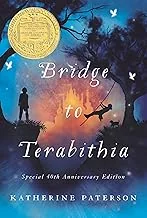
At a glance
Bridge to Terabithia
LuvemBooks Verdict
Best for: Readers aged nine and up — particularly those drawn to character-driven stories about friendship, imagination, and emotional resilience — who are ready to encounter a frank, deeply felt treatment of childhood grief and loss.
Worth it? Skip it? Read the full verdict →Ask LuvemBooks
Was this helpful?
- Is it worth reading?
- Bridge to Terabithia is one of the most emotionally honest books written for young readers in the twentieth century, and its Newbery Medal — awarded in 1978 — reflects a widely shared critical consensus about its lasting stature. The Horn Book Magazine described it as 'one of remarkable richness and depth, beautifully written,' singling out Jesse's characterization as 'magnificently' rendered. Its value lies in how directly it addresses grief and loss: critic Zena Sutherland noted that the novel is 'all the more effective because Paterson lets Jesse express his grief and guilt rather than telling readers that he feels them.' For readers willing to meet its emotional demands, it is an essential book.
- Similar books
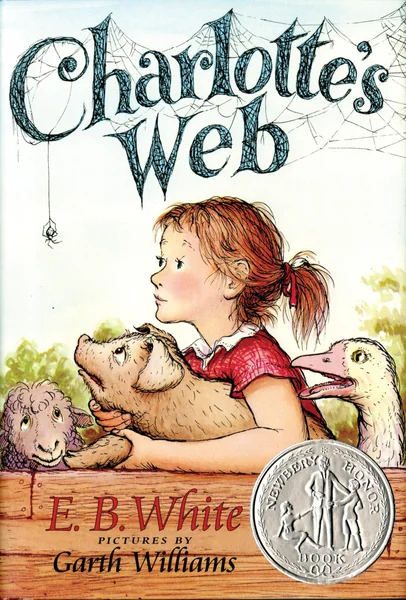
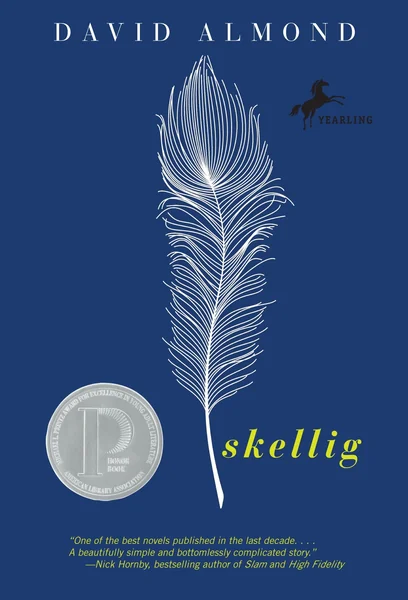
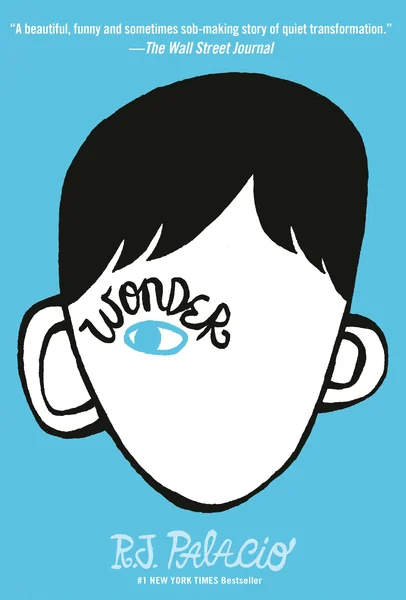
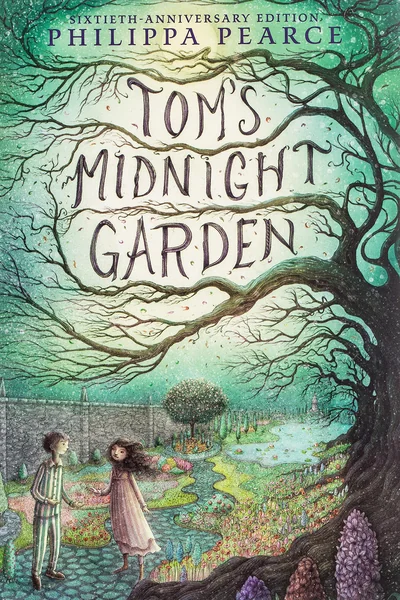
- Readers moved by Bridge to Terabithia will find kindred emotional territory in several of the curated titles below. Charlotte's Web by E. B. White shares the experience of a profound, unexpected loss at the heart of a childhood friendship story. Skellig by David Almond blends the real and the imagined with comparable sensitivity to a child navigating fear and discovery. Wonder by R. J. Palacio similarly centres a child's interior emotional life amid social outsider dynamics. The Secret Garden by Frances Hodgson Burnett and Tom's Midnight Garden by Philippa Pearce both explore imaginative spaces — a hidden garden, a midnight world — that transform lonely children in ways that echo Terabithia's role for Jesse and Leslie. Jacob Have I Loved, another novel by Katherine Paterson, is also recommended for readers who want to stay with Paterson's voice.
- Who should read this?
- Bridge to Terabithia is best suited to readers aged nine and up — old enough to follow Jesse Aarons' interior emotional landscape but young enough that the novel's encounter with mortality may arrive as a genuine first. It is especially valuable for readers drawn to character-driven stories, imaginative world-building grounded in friendship rather than fantasy adventure, and narratives that take children's emotional lives seriously. Adults revisiting the book will find it holds differently — and no less powerfully — the second time through. Families and educators introducing it to younger readers in the recommended range should be prepared for substantive conversation about grief and sudden loss.
- What age is it for?
- Best for ages 9 and up, spanning roughly grades three through seven, as recommended by the HarperCollins edition. At this level, readers are old enough to follow Jesse's complex interior emotional world and to engage meaningfully with the novel's treatment of sudden loss. The subject matter — specifically the direct, unsparing depiction of childhood death and grief — means that families or educators introducing it to readers at the younger end of that range should be prepared for substantive conversation.
- Tell me about the adaptation
- Bridge to Terabithia has been adapted for the screen twice. The first was a 1985 PBS television movie, bringing the story to a generation of viewers in the early years of home television. The second — and far more widely seen — was the 2007 Disney/Walden Media feature film directed by Gábor Csupó, which introduced the story to a new generation of children. The 2007 film notably leaned into fantasy imagery in its marketing, which led some viewers to expect a more adventure-driven story than the intimate, grief-centered novel delivers — a mismatch worth being aware of before watching.
- What are the main themes?
- The central themes of Bridge to Terabithia are friendship, grief, imagination, and the courage required to grow up. The Horn Book Magazine identified a governing structural motif running through the novel: 'The symbolism of falling and of building bridges forms a theme throughout the story.' Imagination — specifically the way Jesse and Leslie construct Terabithia as a space for courage and creativity — is framed not as escapism but as a genuine tool for survival. Grief and guilt in the wake of sudden loss are treated with unusual directness for children's literature; critic Zena Sutherland observed that the novel gains power by letting Jesse express his grief and guilt rather than narrating those feelings from outside.
- About Katherine Paterson
- Katherine Paterson is an American writer best known for children's novels, including Bridge to Terabithia (1977), which won the Newbery Medal in 1978.
Summarize this book
Follow up
Synthesized from verified book data & published reviews · How we review
Press Enter to ask. Answers come from our editorial Q&A — start typing to see related questions.
Age & Reading Level
Recommended age
Ages 8–12
Reading level
Middle grade
2 content notes · who it suits
Content to know about
Best for: Ages 9+ — Jesse's interior emotional landscape and the novel's direct treatment of sudden loss suit confident readers in the middle-grade range; the younger end of the recommended span benefits from adult support and conversation.
Skip if you're looking for a plot-driven fantasy adventure rather than an intimate character study of grief.
Editorial Review
Bridge to Terabithia is a Newbery Medal-winning children's novel by Katherine Paterson, originally published in 1977, that follows fifth-grader Jesse Aarons and his new neighbor Leslie Burke as they forge a transformative friendship and build an imaginary kingdom called Terabithia — before a sudden tragedy reshapes everything Jesse understands about courage, grief, and growing up.
Read the Full ReviewBooks like Bridge to Terabithia
Curated picks for readers who enjoyed Bridge to Terabithia, with our reasoning for each match.
If you liked Bridge to Terabithia
Why It’s Trending
Bridge to Terabithia Is Going Viral Again as Fans Ask Where to Stream the Movie
TikTok users are rediscovering Bridge to Terabithia, with videos asking where to stream the beloved 2007 film sparking fresh interest in the classic novel. It's the kind of wave that pulls new readers back to the source material.