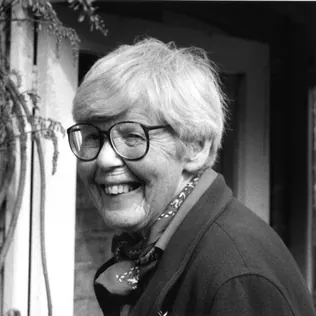
Philippa Pearce
1
Books ReviewedAsk LuvemBooks about Philippa Pearce
- Where should I start?
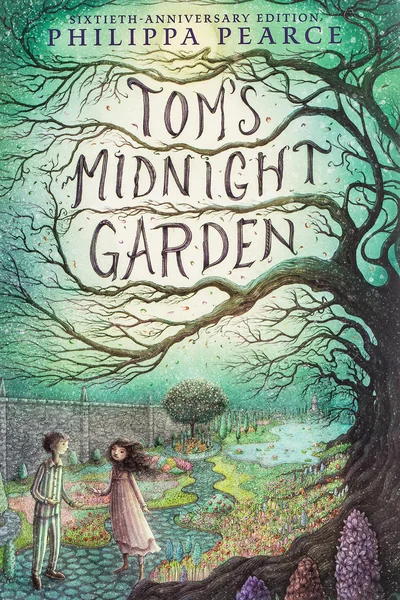
- Tom's Midnight Garden is the natural starting point — and, given it is Pearce's acknowledged masterwork, also the most rewarding one. It introduces everything distinctive about her writing: the unhurried pacing, the emotionally complex central relationship between Tom and the mysterious Hatty, and a plot that uses the mechanics of time travel to ask serious questions about loss and memory. With an Amazon reader rating of 4.6 out of 5 from nearly 600 ratings, it has clearly held up for generations of readers.
- What's their writing style?
- Pearce writes in a measured, lucid prose that never talks down to its young readers. Her narratives are firmly grounded in physical settings — gardens, rivers, old houses — described with an almost sensory exactness that gives her fantastical elements real weight. What makes her distinctive is her psychological seriousness: she treats children's experiences of time, jealousy, and longing as subjects worthy of the same attention a novelist would give to adult grief.
- Books we've reviewed
- We have one Philippa Pearce title reviewed on LuvemBooks. Tom's Midnight Garden is her iconic time-slip novel in which a boy, banished to a relative's flat for the summer, discovers a Victorian garden that appears only when the hall clock strikes thirteen — a beautifully constructed meditation on time and friendship that carries an Amazon reader rating of 4.6 out of 5.
- What genre do they write?
- Pearce wrote primarily in the children's literature tradition, with Tom's Midnight Garden sitting at the intersection of realistic fiction and time-slip fantasy. Her work predates many of the genre categories used today, but modern readers would recognise it as literary middle-grade fiction with fantastical elements. The emphasis is always on emotional and psychological truth rather than genre mechanics.
- What should I read after Tom's Midnight Garden?
- If you are looking to read more by Pearce herself, Minnow on the Say and her short story collection The Shadow-Cage are the most recommended next steps. For readers drawn to the time-slip and 'haunted childhood' elements specifically, Lucy Boston's The Children of Green Knowe and Alan Garner's The Owl Service are close in spirit. All three share Pearce's quality of treating the past as something that presses actively on the present.
Who is Philippa Pearce?
Follow up
Synthesized from verified book data & published reviews · How we review
Press Enter to ask. Answers come from our editorial Q&A — start typing to see related questions.
Authors Like Philippa Pearce
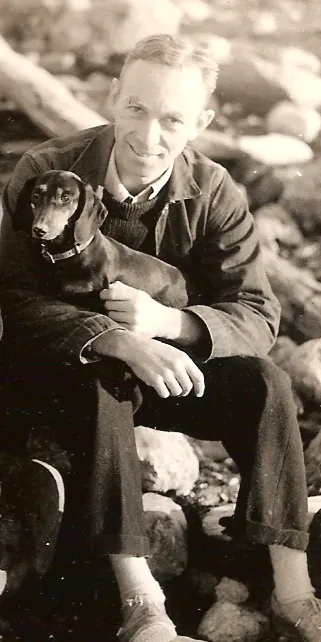
E. B. White
Born Elwyn Brooks White in 1899, this masterful American writer carved out a unique literary legacy that bridged the sophisticated world of *The New Yorker* magazine and the enchanting realm of children's literature.
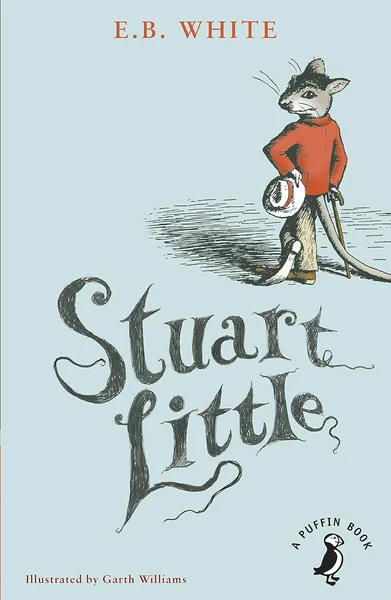
2 books reviewed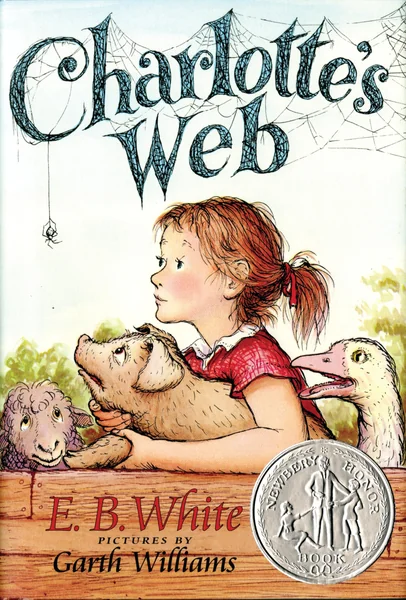
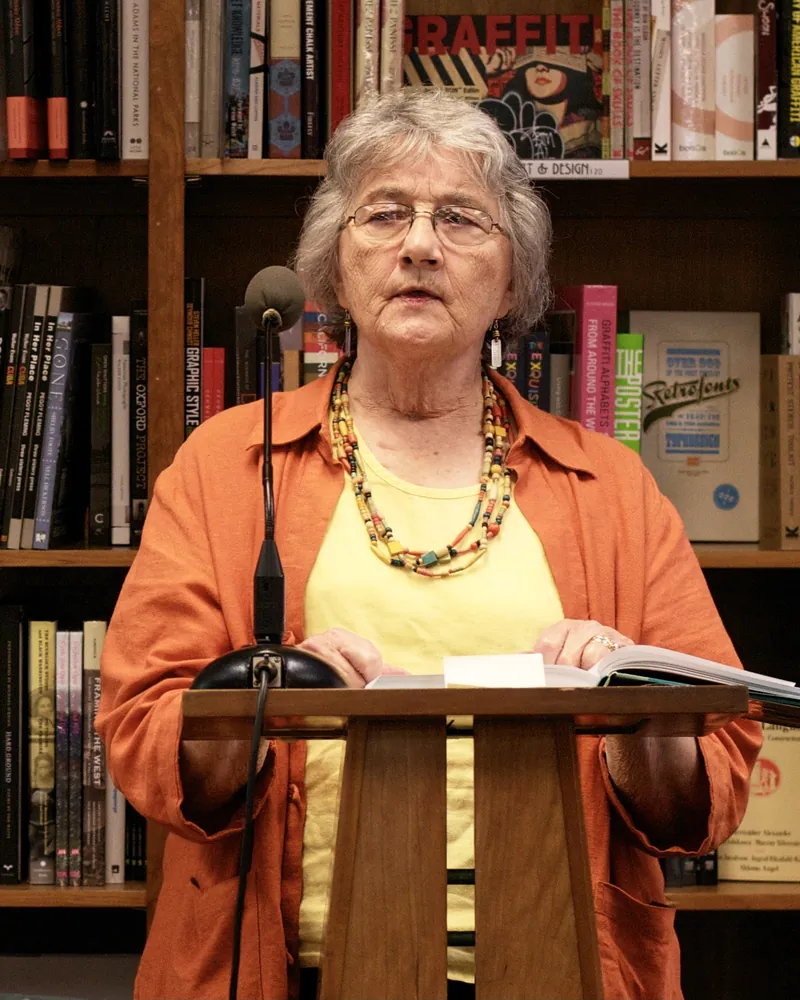
Katherine Paterson
Katherine Paterson is an American writer best known for children's novels, including Bridge to Terabithia (1977), which won the Newbery Medal in 1978.
1 book reviewed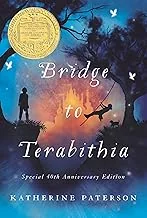
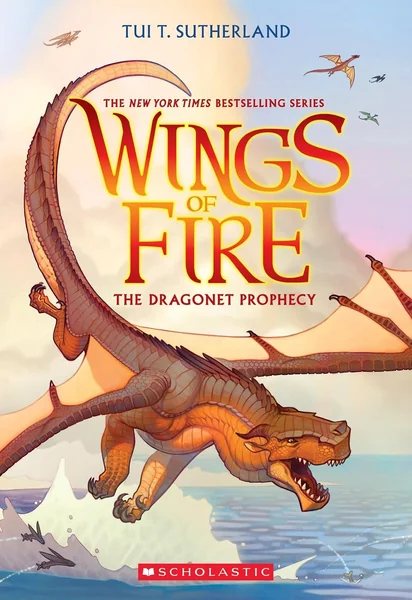
Tui T. Sutherland
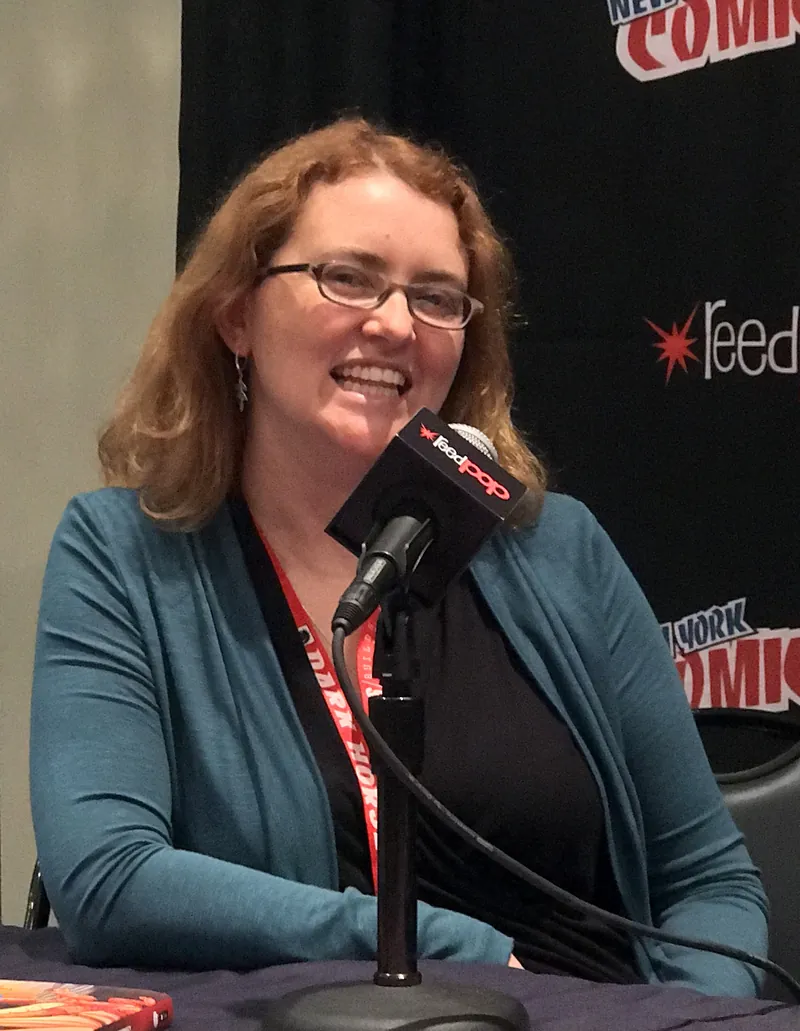
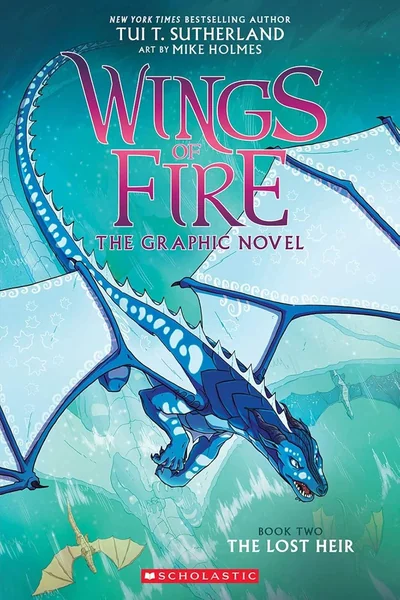
Tui Tamara Sutherland is an American children's book author who has written more than 60 books under her own name and under several pen names.
3 books reviewed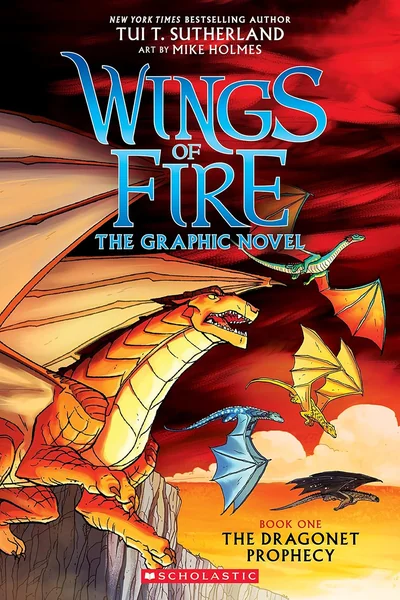
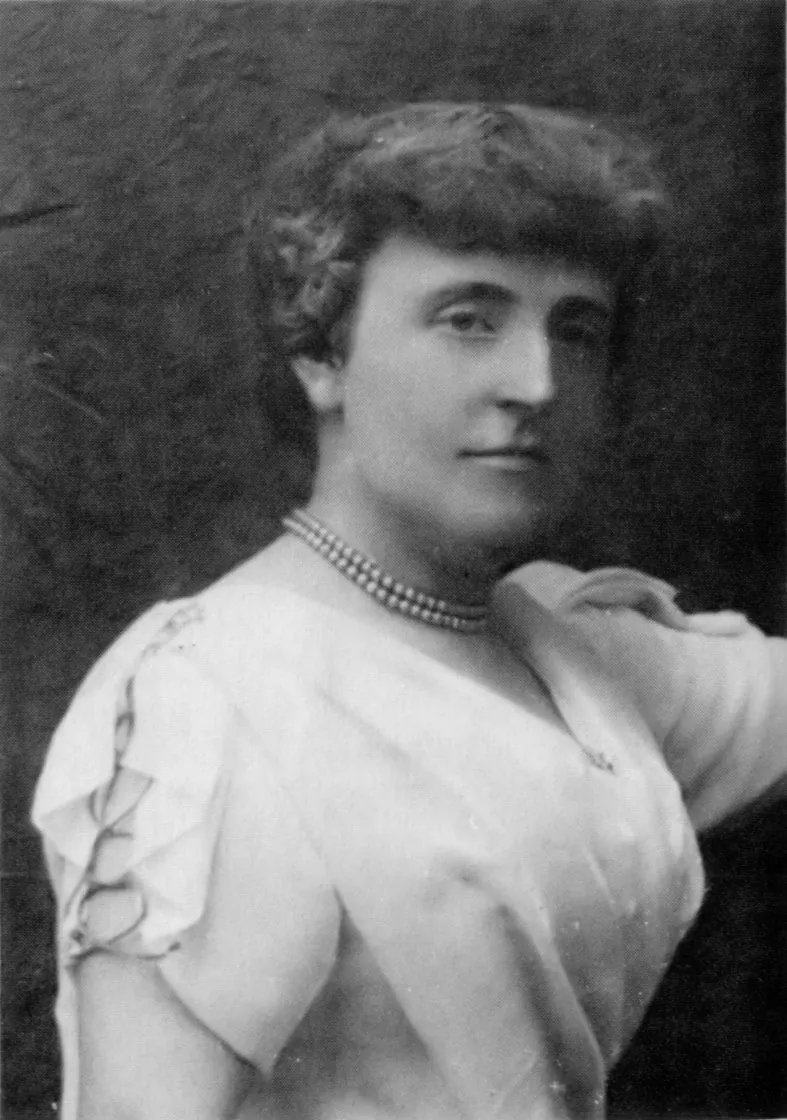
Frances Hodgson Burnett
Frances Eliza Hodgson Burnett was a British-American novelist and playwright.
1 book reviewed
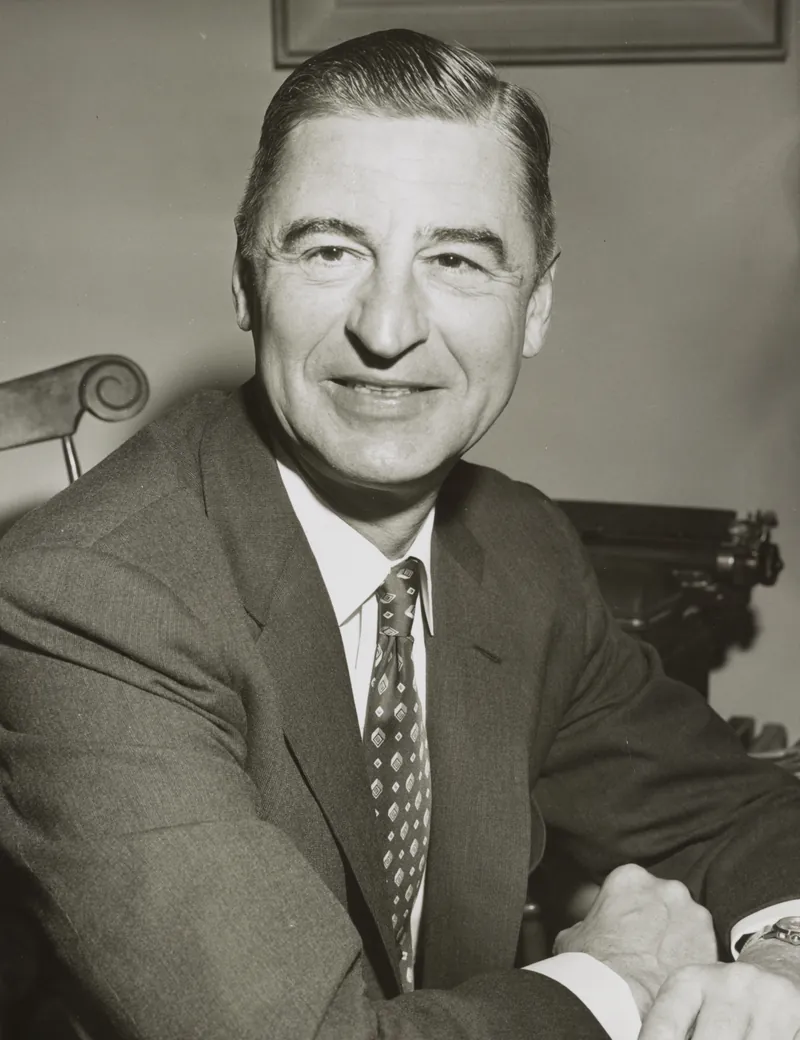
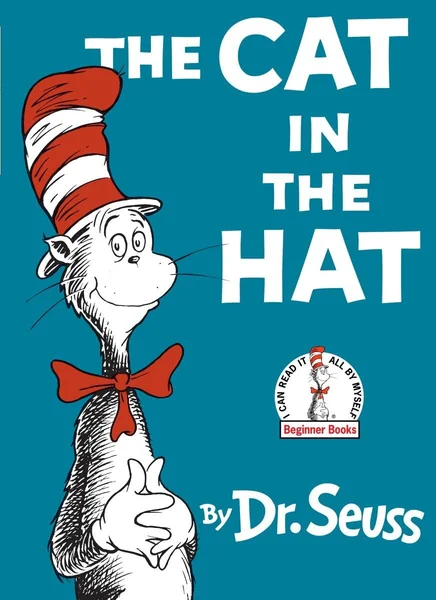
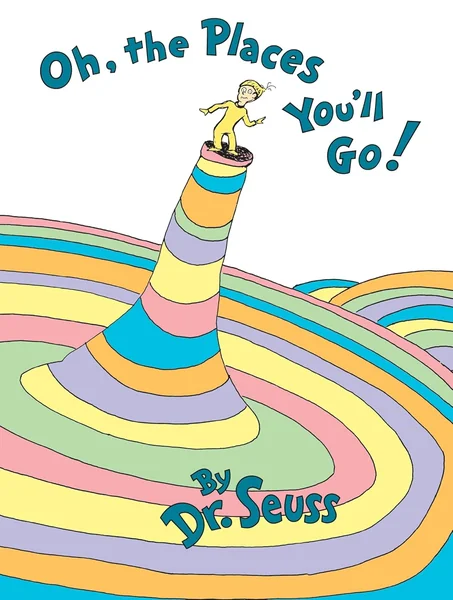
Dr. Seuss
Theodor Seuss Geisel was an American children's author, illustrator, animator, and cartoonist.
5 books reviewed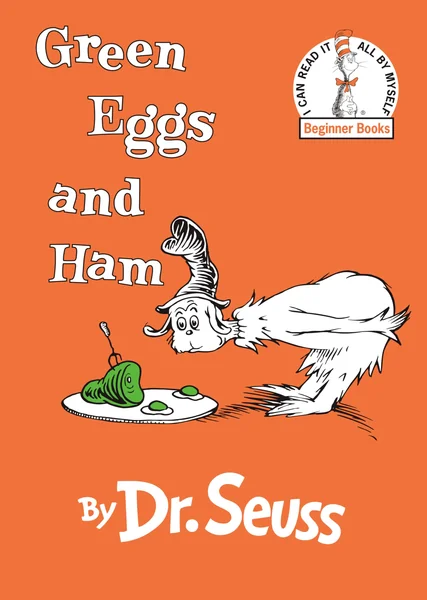
R. J. Palacio
Raquel Jaramillo Palacio is an American author and graphic designer.
2 books reviewed