Our reviews
1,017 books, each with who it's for, who should skip it, reading level and content notes, and every source we used.
1,017 reviews
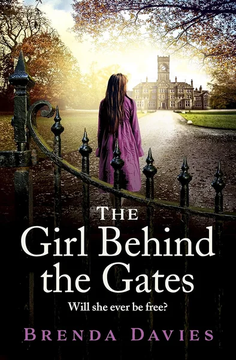
Brenda Davies
Best for: Readers drawn to emotionally intense historical fiction rooted in real events — particularly those with an interest in women's history, medical ethics, or institutional injustice — who appreciate narratives that balance harrowing subject matter with a redemptive, ultimately uplifting arc.
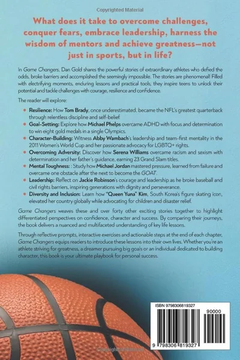
Dan Gold
Best for: Teens navigating self-doubt and big goals — and the parents or educators looking for a structured, sports-grounded resource to spark those conversations — who want inspiration backed by practical reflection exercises rather than deep sports journalism.
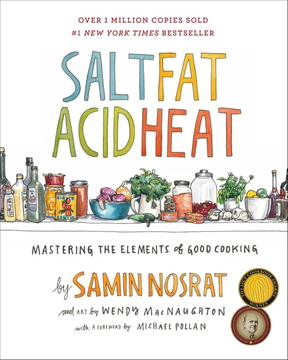
Samin Nosrat
Best for: Home cooks at any level — from complete beginners to confident kitchen regulars — who want to understand the principles behind why food tastes good rather than simply accumulate more recipes to follow.
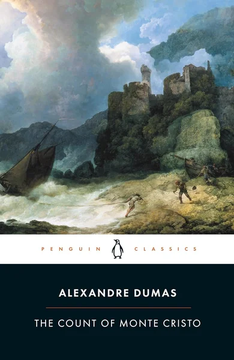
Alexandre Dumas
Best for: Readers with an appetite for grand-scale adventure fiction who want the complete, unabridged experience of Dumas's intricate revenge plot — particularly those drawn to morally complex protagonists, nineteenth-century French history, and long-form narratives that reward patience.
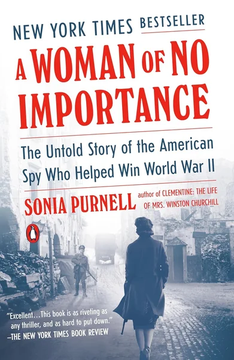
Sonia Purnell
Best for: Readers of narrative nonfiction and WWII history who want a rigorously sourced, argument-driven biography that restores a systematically overlooked operative — Virginia Hall — to her rightful place in the front rank of the war's protagonists.
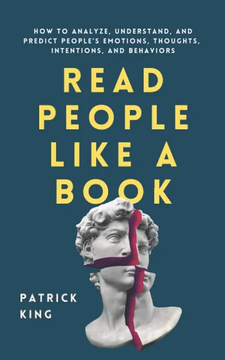
Patrick King
Best for: Readers who want a single, accessible guide to improving social awareness — covering body language, lie detection, and behavioral prediction — in practical, everyday contexts like dating, workplaces, or managing social anxiety, without needing a psychology background.
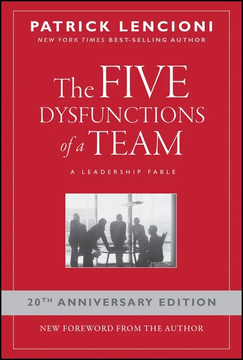
Patrick M. Lencioni
Best for: Executives, managers, and team leads who want a fast, absorbing introduction to team dysfunction that doubles as a practical intervention tool — especially those stepping into a new leadership role and confronting a team that is underperforming, resistant, or fragmented.
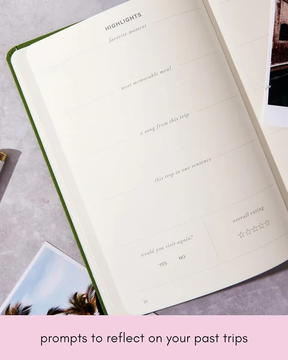
Kunitsa Co
Best for: Travelers who want a single, structured keepsake that guides them through both pre-trip planning and post-trip reflection — and gift-givers looking for a purposeful, presentation-ready alternative to a generic blank notebook.
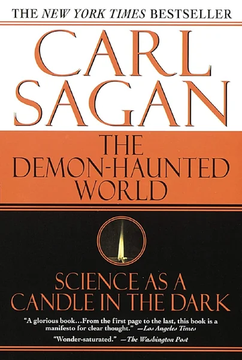
Carl Sagan
Best for: General readers — especially those without a scientific background — who want a clear, story-driven explanation of how science works and why skeptical thinking matters for everyday civic life.

Maurice Walsh
Best for: Readers who love classic Irish adventure romance — particularly those already fond of Maurice Walsh or drawn to outlaw-on-the-run plots steeped in Gaelic atmosphere, horse fairs, and open-road wandering.
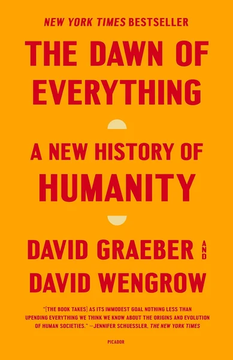
David Graeber
Best for: Intellectually engaged general readers, students, and scholars in history, anthropology, archaeology, or political theory who want a rigorous, evidence-based challenge to the deterministic storylines advanced by Harari, Pinker, Diamond, and their peers.
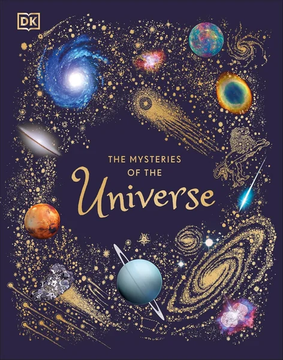
Will Gater
Best for: Children aged 6–8 with a budding interest in space who need a richly visual, accessible first reference that works equally well as a family read-aloud and as an independent browse.

Tess Han
Best for: Readers at an early or exploratory stage of self-compassion work who respond better to warm, emotionally direct encouragement than to clinical or research-heavy frameworks, and anyone seeking a low-barrier, giftable wellness journal.
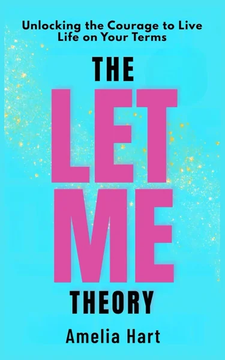
Amelia Hart
Best for: Readers who recognise a chronic pattern of deference, people-pleasing, or filtering choices through others' expectations, and want a structured, coaching-style framework — rather than a motivational pep talk — to move toward greater self-permission and boundary-setting.
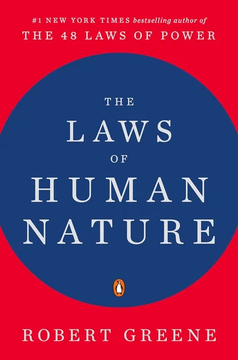
Robert Greene
Best for: Adults navigating complex professional and social environments who want a modular, historically grounded framework for understanding colleagues, rivals, and their own psychological blind spots — especially those already engaged with Greene's earlier works like The 48 Laws of Power.
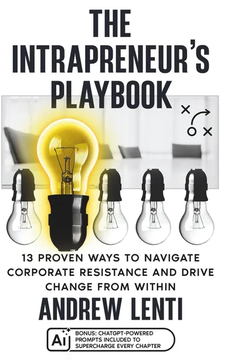
Andrew Lenti
Best for: Mid-to-senior professionals — project leads, department heads, and internal change agents — already embedded in large or complex organizations who need actionable strategies for pushing innovation initiatives past institutional resistance.

James Wood Davidson
Best for: Researchers, scholars, or collectors with a pre-existing, specific interest in the nineteenth-century American writer James Wood Davidson who need affordable access to an otherwise out-of-print historical text.
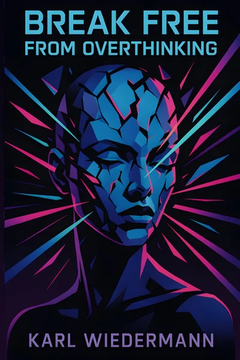
Karl Wiedermann
Best for: Adults at the beginning or middle of their self-help journey who recognise themselves in cycles of rumination, emotional over-reactivity, and difficult interpersonal dynamics, and want a concise, immediately actionable framework for interrupting those patterns.
Kristin Hannah
Best for: Readers of emotionally driven women's fiction who are drawn to a mystery-threaded family drama and will find the psychological rehabilitation of a traumatised feral child — rendered without conventional dialogue — more compelling than a conventional romance.
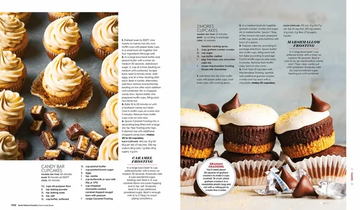
Better Homes and Gardens
Best for: Home cooks who want a single, wide-ranging reference covering everyday meals, baking, entertaining, and preservation — especially those who value quick navigation through at-a-glance icons and front-loaded chapter guides rather than deep exploration of any one cuisine.
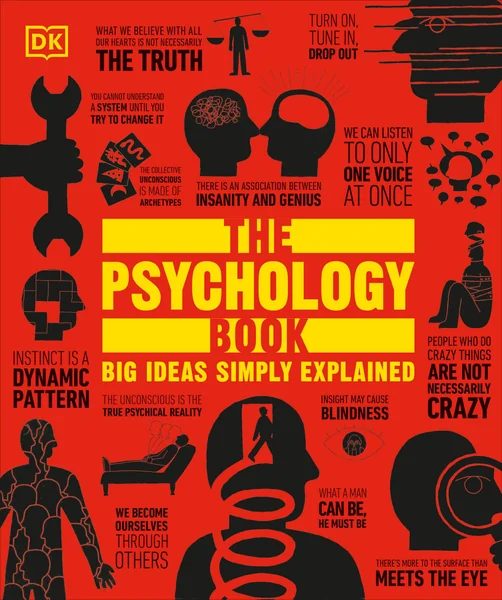
DK
Best for: Curious general readers and students with no prior psychology background who want a visually rich, well-organised survey of the field's biggest ideas — from ancient philosophy through to contemporary science — without wading through dense academic prose.
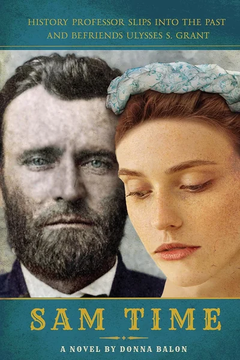
Donna Balon
Best for: Readers who love historical fiction and time-travel fantasy in equal measure — especially those with a pre-existing interest in the Civil War era, Ulysses S. Grant's life, or Victorian social history who want imaginative storytelling anchored in documented fact.
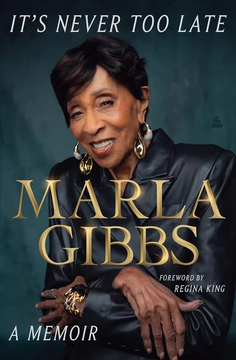
Marla Gibbs
Best for: Fans of classic-era Black television — particularly The Jeffersons and 227 — and anyone drawn to late-bloomer stories of persistence, who will find both the behind-the-scenes Hollywood history and Gibbs's unfiltered personal voice genuinely rewarding.
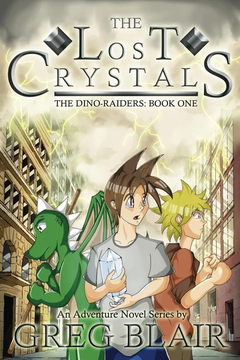
Greg Blair
Best for: Middle-school readers (roughly ages 10–13) who are new to adventure fiction and want a fast-moving, high-concept story that mixes time travel with dinosaur encounters.
