8 min read
4.6
· 886 Amazon ratingsShare This Review
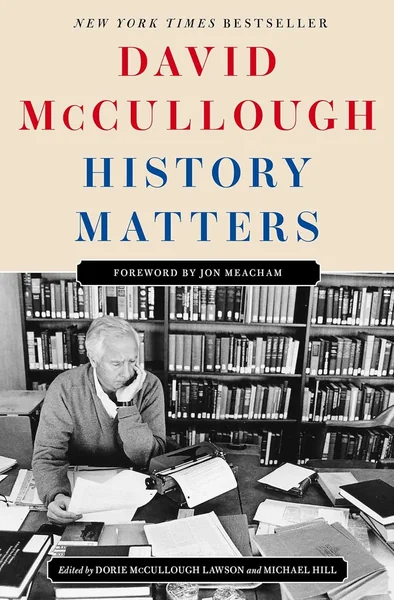
History Matters by David McCullough Review: A Resonant Posthumous Farewell to History
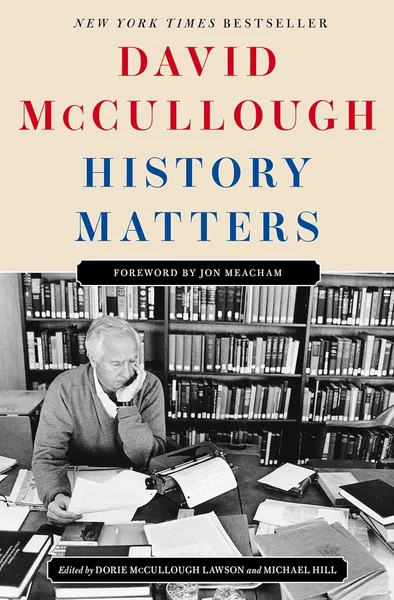
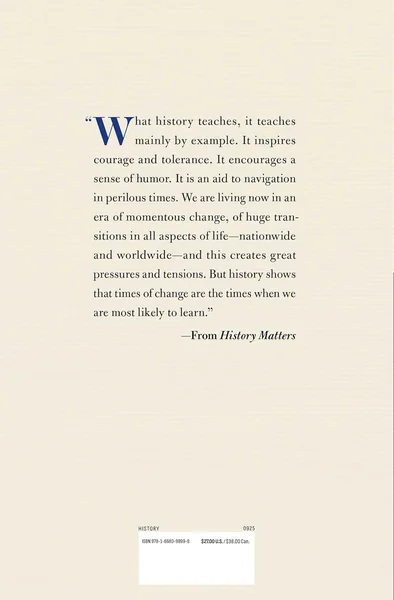
History Matters is a posthumous collection of 20 speeches, essays, and interviews by the late Pulitzer Prize-winning historian David McCullough, edited by his daughter Dorie McCullough Lawson and longtime researcher Michael Hill, with a foreword by historian Jon Meacham, published by Simon & Schuster in September 2025. The collection gathers pieces written across McCullough's long career, many appearing in print for the first time, all centered on his conviction that history is indispensable to understanding the present and the future. Publishers Weekly calls it "a resonant collection" and "a warmhearted valedictory hymn to the American spirit."
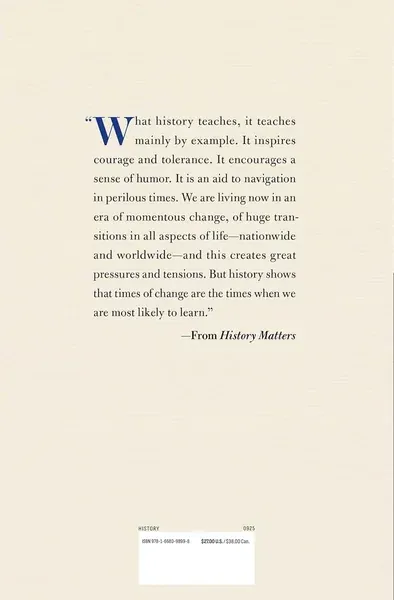 Tap to enlarge
LuvemBooks Verdict
Best for
Devoted McCullough readers — and anyone who wants an intimate, behind-the-curtain look at how he thought about craft, curiosity, and the civic necessity of narrative history — who are already familiar with at least one of his major biographies.
Worth it if
You admire McCullough's major works and want to hear his voice on why history matters, how he approached writing, and what figures moved him — gathered into one valedictory volume.
Skip if
You're new to McCullough and hoping for the sustained narrative architecture of John Adams or Truman — the occasional-writing format of speeches and interviews means many pieces are lighter and more off-the-cuff than his landmark books.
What readers & critics say
Publishers Weekly called the collection "resonant," praising McCullough's "eye for engrossing anecdotes and ebullient prose" and describing it as "a warmhearted valedictory hymn to the American spirit," while noting many individual pieces are "minor, off-the-cuff" in nature. Kirkus Reviews deemed it "a pleasure for fans of old-school historical narratives," characterising McCullough as striking "a strong tone as an old-fashioned moralist" across the assembled occasional pieces.
“A pleasure for fans of old-school historical narratives — McCullough strikes a strong tone as an old-fashioned moralist.”
— Kirkus Reviews“Resonant… displays McCullough's eye for engrossing anecdotes and ebullient prose. An enjoyable and warmhearted valedictory hymn to the American spirit.”
— Publishers WeeklyAsk LuvemBooks
Was this helpful?
- Is it worth reading?
- For readers already devoted to McCullough's work, History Matters is well worth their time: Publishers Weekly calls it 'resonant' and 'a warmhearted valedictory hymn to the American spirit,' praising McCullough's 'eye for engrossing anecdotes and ebullient prose.' The collection provides rare, direct access to his thinking on craft, the figures he found most compelling, and what he believed history was ultimately for — intimacy that his full-length books, by their very nature, don't quite offer. The honest caveat is that Publishers Weekly also notes many individual pieces are 'minor, off-the-cuff' in nature, and readers expecting the sustained architectural depth of John Adams or Truman will not find it here. New readers would be better served starting with one of McCullough's major biographies first.
- Similar books
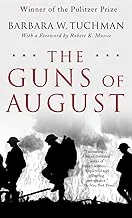
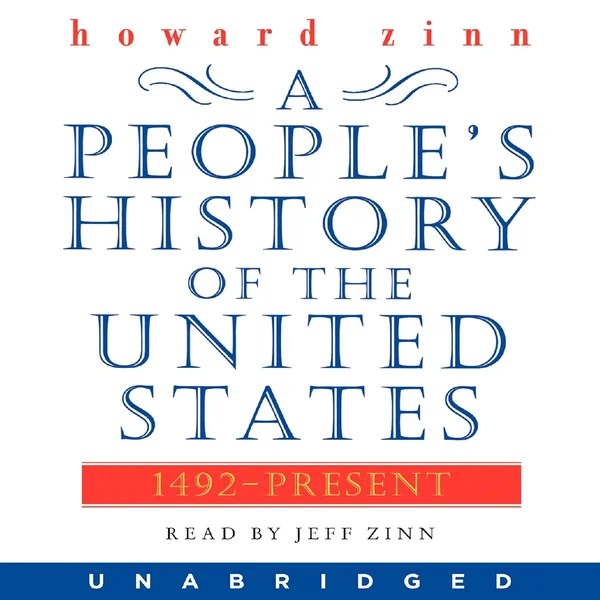
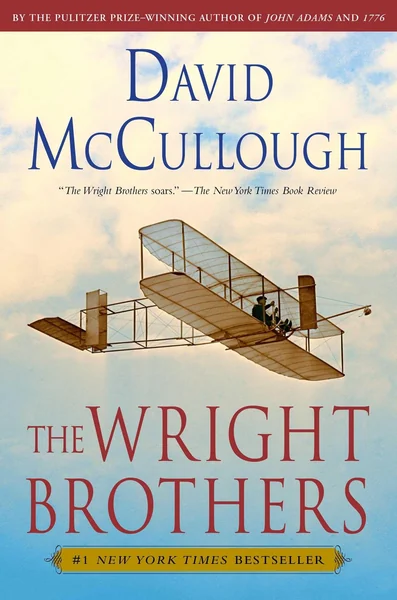
- Readers drawn to History Matters for its passionate defense of narrative history will find a natural companion in The Wright Brothers by David McCullough himself — a good entry point into the sustained biographical storytelling that distinguishes his full-length work. Barbara W. Tuchman's The Guns of August shares McCullough's gift for making consequential historical moments feel viscerally alive. For a broader panoramic perspective on American and world history, Howard Zinn's A People's History of the United States and Yuval Noah Harari's Sapiens: A Brief History of Humankind each offer compelling narrative-driven takes on the past. The Federalist Papers by Hamilton, Madison, and Jay rounds out the list as a foundational text McCullough himself would have championed as essential civic reading.
- Who should read this?
- History Matters is best suited to readers who already have an affinity for McCullough's major works — fans of John Adams, Truman, or his PBS and Ken Burns narration work who want a more intimate, direct encounter with his convictions about craft and the meaning of history. It also speaks to aspiring writers: a distinct strand of the collection addresses practical matters of writing discipline, including the 'four pages a day' advice McCullough considered the best he ever received. General readers with a strong interest in American history and narrative nonfiction will find much to appreciate, though those new to McCullough are advised to start with one of his major biographies first.
- About David McCullough
- Born in 1933 and educated at Yale, David McCullough transformed American popular history by bringing the past to vivid life through masterful storytelling.
- How does this compare to John Adams or Truman?
- History Matters is a fundamentally different kind of book from McCullough's landmark biographies. John Adams and Truman are sustained narrative achievements — deeply researched, architecturally ambitious works that immerse readers in a life across hundreds of pages. History Matters, by contrast, is a collection of occasional writings — speeches, essays, and interviews — and Publishers Weekly is candid that many individual pieces are 'minor, off-the-cuff' in nature. What the collection offers in their place is intimacy: a direct view into how McCullough thought about his craft, what figures moved him, and what he believed history was ultimately for.
- What are the main themes?
- The organizing philosophy of History Matters is McCullough's conviction — stated directly in one of the pieces — that 'History should not ever be dull.' Across the 20 pieces, recurring values include courage, devotion to truth, a loathing of hypocrisy, self-reliance, and what McCullough called 'the power of simple goodness.' The collection also explores historical contingency (how the fog at the Battle of Brooklyn saved the Continental Army), the role of human ingenuity (the Golden Gate Bridge), and the relationship between narrative, feeling, and the historian's craft — a theme he develops through his tribute to novelist Herman Wouk.
Summarize this book
Follow up
Synthesized from verified book data & published reviews · How we review
Press Enter to ask. Answers come from our editorial Q&A — start typing to see related questions.
Age & Reading Level
Recommended age
Adult
Reading level
Adult
who it suits
Skip if you're expecting the sustained narrative depth and biographical architecture of McCullough's full-length books like John Adams or Truman.
Our Review
What the Book Is and What It Contains
The Range and Shape of the Collection
McCullough's Voice and the Themes His Editors Discovered
Significance and Reception
Who Will Value It Most — and Where It Has Limits
Sources & Further Reading
The key facts and claims in this review are grounded in the retrieved, verified sources listed below.
- Cited in this review
- 1
barnesandnoble.com
- 2
- Further reading
- 3
David McCullough, Wikipedia
- 4
- 5
publishersweekly.com
- 6
bobonbooks.com
- 7
postandcourier.com
- 8
washingtonindependentreviewofbooks.com
- 9
bookmarks.reviews
- 10
- 11
Books like History Matters
Curated picks for readers who enjoyed History Matters, with our reasoning for each match.
If you liked History Matters