Stoicism: A Beginner's Guide to the Core Ideas by The Philosophy School Review: A Focused Primer for New Stoics
Published in August 2025 as a Kindle edition, Stoicism: A Beginner's Guide to the Core Ideas by The Philosophy School is a compact introduction to Stoic philosophy — tracing its origins with Zeno of Citium through the Roman figures of Epictetus, Seneca, and Marcus Aurelius — and designed to make the school's core principles, including the Dichotomy of Control and the four cardinal virtues, accessible to readers coming to the subject for the first time.
LuvemBooks Verdict
Best for
Readers who are entirely new to Stoicism and want a fast, logically sequenced orientation to its core principles — the Dichotomy of Control, the four cardinal virtues, and the key figures of Epictetus, Seneca, and Marcus Aurelius — before deciding whether to go deeper.
Worth it if
Worth reading if you want a compressed, essentials-first framework overview of Stoic philosophy with enough historical context (from Zeno's Athens through Roman Stoicism) to make the practical content meaningful, and you're approaching it as a primer rather than a standalone philosophical treatment.
Skip if
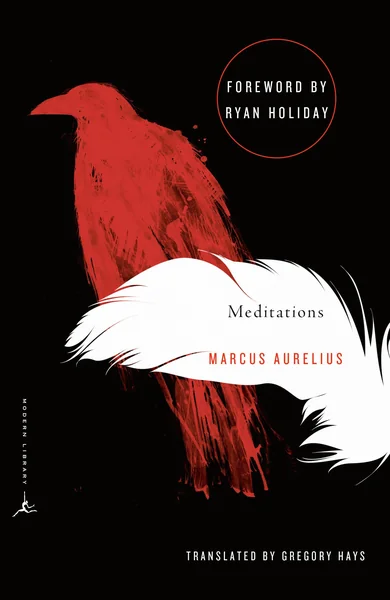
Skip it if you've already read Meditations, the Enchiridion, or any contemporary Stoic introduction such as Ryan Holiday's or William Irvine's work — the guide's strictly introductory scope offers little new ground and deliberately sidesteps debates and critiques within the tradition.
In This Review
What Works & What Doesn't
What the Book Is and What It Covers
The Central Argument and Core Principles
Strengths: Accessibility and Practical Framing
Limitations and Who May Find It Insufficient
Who This Guide Is For and Where It Sits in the Genre
What Works & What Doesn't
What Works
Designed explicitly for beginners, with core Stoic principles structured sequentially from foundational claims outward
Covers the full historical arc from Zeno of Citium's founding of the school in 300 BCE through the Roman Stoics — Epictetus, Seneca, and Marcus Aurelius
Centres practical application, framing Stoicism as a usable philosophy of life built around the Dichotomy of Control and the four cardinal virtues
Part of a series under The Philosophy School, offering a consistent instructional framework for readers exploring Western philosophy more broadly
What Doesn't
Scope is strictly introductory — readers already familiar with Stoic texts or contemporary Stoic literature will find limited new material
Does not engage with debates or critiques within the Stoic tradition, making it unsuitable as a standalone resource for deeper philosophical inquiry
A concise, practically oriented entry point into Stoic philosophy, this guide is designed for readers who want foundational understanding without academic prerequisite.
What the Book Is and What It Covers
Stoicism: A Beginner's Guide to the Core Ideas and Modern Relevance of Stoicism, Including How to Build Resilience, Master Your Emotions, and Find Inner Peace (Western Philosophy) by The Philosophy School front cover
Stoicism: A Beginner's Guide to the Core Ideas is a Kindle-native introduction to one of antiquity's most enduring philosophies. According to the book's own description, it teaches readers how Stoicism evolved over time, what the Stoic mindset looks like in practice, and how its ancient framework can be applied to contemporary life. The guide begins at the beginning: Stoicism started in Athens around 300 BCE, when Zeno of Citium — a merchant who had lost everything in a shipwreck — began teaching philosophy outdoors beneath a covered walkway called a Stoa, the structure that gave the school its name. From those Greek origins, the book traces Stoicism's migration into the Roman world, where the preserved writings of Epictetus, Seneca, and Marcus Aurelius became the philosophy's most widely read texts. The guide is part of a series under The Philosophy School imprint, suggesting a consistent instructional approach across multiple volumes in the Western philosophy space.
“Stoicism is about being the best version of yourself in every moment.”
The Central Argument and Core Principles
At the heart of the guide is the Stoic claim — stated plainly in the book's description — that "Stoicism is about being the best version of yourself in every moment." The philosophy it introduces holds that a good life flows from character rather than circumstance, built on four virtues: wisdom, courage, justice, and self-discipline. The guide structures its argument around what it identifies as three foundational claims of Stoicism, with everything else derived from those — a pedagogical choice that prioritises logical sequence over chronological history. Central to that structure is the Dichotomy of Control, Stoicism's core tool, which draws a firm line between what is within a person's power and what is not. Marcus Aurelius, who regularly practised Stoic spiritual exercises to cultivate humility, patience, empathy, generosity, and resilience, serves as a key illustrative figure throughout this tradition, and the guide draws on his example alongside those of Epictetus and Seneca.
Strengths: Accessibility and Practical Framing
The book's most explicit design priority is accessibility. Its description positions it for "someone starting from zero," and the structure — leading with core beliefs before expanding to derived concepts — reflects that intent. Rather than opening with dense historical survey, the guide distils centuries of Stoic thought into a framework readers can engage with immediately. This approach aligns with what makes Stoicism durably popular: as the book itself states, it functions as "a survival strategy," a philosophy of life rather than a religion or abstract theoretical system. For readers who find primary Stoic texts — particularly the fragmentary writings of the early Greek Stoics, which tend toward academic interest — too demanding as a starting point, a structured beginner's guide that works through principles in plain sequence fills a genuine need. The guide's coverage of Stoicism's evolution from its Athenian origins through Roman adoption also provides enough historical grounding to give the practical content meaningful context.
Limitations and Who May Find It Insufficient
The book's deliberately introductory scope is also its clearest limitation. Readers with existing familiarity with Stoic philosophy — those who have already worked through Meditations, Epictetus's Discourses, or contemporary scholarly introductions — will find little new ground here. The guide is not designed to complicate or interrogate Stoicism: it introduces and explains rather than critiques or contextualises debates within the tradition (such as the longstanding tension between Stoic and Epicurean frameworks, or questions about how faithfully modern applications reflect ancient Stoic doctrine). Scholars and those seeking engagement with primary-source fragments or the finer distinctions between early Greek and later Roman Stoicism will need to look beyond a beginner's guide. Additionally, as a Kindle-only format at this edition's publication, readers who prefer print may not have an equivalent edition available.
Who This Guide Is For and Where It Sits in the Genre
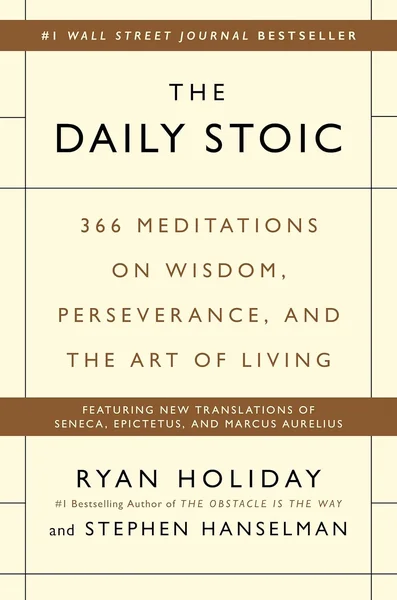
The market for accessible Stoic introductions is crowded, and that context matters. The philosophy has sustained significant popular interest over the past decade, with a wide range of titles — from Ryan Holiday's The Obstacle Is the Way to William Irvine's A Guide to the Good Life — competing for the same entry-level readership. The Philosophy School's guide occupies the most compressed, essentials-first end of that spectrum. Its design suits readers who want a fast, structured orientation before deciding whether to go deeper, or those who want a refresher on the philosophy's skeleton without committing to a full-length treatment. It is a reference primer and framework overview, not a narrative or a sustained philosophical argument — and readers approaching it with those expectations are the ones most likely to find it rewarding.
Reader Comments
0
No comments yet
Be the first to share your thoughts!
Frequently Asked Questions
is Stoicism: A Beginner's Guide to the Core Ideas by The Philosophy School worth reading
It depends on where you're starting from. If you're coming to Stoicism with zero background, the review says it's a genuinely useful "reference primer and framework overview" that distils centuries of thought into a fast, structured orientation. But if you've already worked through Marcus Aurelius's Meditations, Epictetus's Discourses, or contemporary scholarly introductions, the reviewer is candid that you'll find little new ground here.
What is this book actually about
The book traces Stoicism from its origins with Zeno of Citium — a merchant who lost everything in a shipwreck and began teaching philosophy beneath a covered walkway called a Stoa in Athens around 300 BCE — through to the Roman figures Epictetus, Seneca, and Marcus Aurelius. Its core focus is the practical framework: the Dichotomy of Control, the four cardinal virtues (wisdom, courage, justice, and self-discipline), and the idea that Stoicism functions as "a survival strategy" for everyday life rather than an abstract theoretical system.
Is this book good for someone who knows nothing about philosophy
Yes — that's exactly who it's designed for. The reviewer notes the book's description explicitly positions it for "someone starting from zero," and the structure reflects that intent by leading with core Stoic beliefs before expanding to derived concepts, rather than opening with a dense historical survey. Readers looking for a fast orientation before deciding whether to go deeper are described as the ones most likely to find it rewarding.
Does this book go into any depth or is it too shallow
The reviewer is upfront that its introductory scope is also its clearest limitation — it introduces and explains rather than critiques or interrogates debates within the tradition, such as the tension between Stoic and Epicurean frameworks or questions about how faithfully modern applications reflect ancient Stoic doctrine. Scholars or readers wanting engagement with primary-source fragments and finer distinctions between early Greek and later Roman Stoicism will need to look beyond it.
How does this book compare to Ryan Holiday or William Irvine
The reviewer places it at "the most compressed, essentials-first end" of a crowded market that includes Ryan Holiday's The Obstacle Is the Way and William Irvine's A Guide to the Good Life. Unlike those fuller-length treatments, The Philosophy School's guide is designed as a quick skeleton overview rather than a narrative or sustained philosophical argument — useful if you want a fast orientation or refresher, but not a replacement for a book-length exploration.
What should i read after this book
The reviewer points to the primary Stoic texts as the natural next step — specifically Marcus Aurelius's Meditations, Epictetus's Discourses, and contemporary scholarly introductions. The guide is framed as a structured starting point before "deciding whether to go deeper," so those works represent the deeper dive it's designed to prepare you for.
Is this book only available on Kindle
Based on the review, yes — at the time of this edition's publication it is a Kindle-only format, and the reviewer flags this as a practical caveat: readers who prefer print may not have an equivalent edition available.
Sources & Further Reading
The key facts and claims in this review are grounded in the retrieved, verified sources listed below.


Reader Comments
No comments yet
Be the first to share your thoughts!