LuvemBooks
LuvemBooks

Expert Book Reviews & Recommendations

​
​
LuvemBooks
LuvemBooks

Expert book reviews and reading recommendations

Company
AboutPrivacy PolicyTerms of UseAffiliate Disclosure
Books
All Book ReviewsNew ReleasesTop Rated
Explore
FictionNon-Fiction
Our Network
LuvemBooks
LuvemPets
LuvemHome

© 2026 LuvemBooks. All rights reserved.

Built by capNotion

  1. Home
  2. Book Reviews
  3. Fiction
  4. Nine Stories by J. D. Salinger

BOOKS
J

J. D. Salinger

About This Author
Published

February 11, 2026

Read Time

7 min read

Our Rating

4.2

Nine Stories showcases Salinger's masterful short story craft through psychologically complex tales that remain emotionally challenging but literarily essential, best suited for mature readers ready to engage with difficult themes.

$7.92 on Amazon

Featured In

Essential Short Story Masters: 5 Books for Busy Fiction Lovers
Reviewed by

LuvemBooks

Share This Review

Nine Stories by J.D. Salinger Review: Short Story Masterpiece

Our Rating

4.2

Nine Stories showcases Salinger's masterful short story craft through psychologically complex tales that remain emotionally challenging but literarily essential, best suited for mature readers ready to engage with difficult themes.

In This Review
  • What Works & What Doesn't
  • Stories That Cut Deep
  • Salinger's Deceptive Simplicity
  • Characters on the Brink
  • Themes That Endure
  • The Controversy Factor
  • My Critical Assessment
  • Worth the Emotional Investment?
  • SECTION 4: SCHEMA METADATA
  • Where to Buy

What Works & What Doesn't

What Works
  • Masterful prose style that appears effortless while achieving extraordinary precision in dialogue and character development
  • Sophisticated use of subtext and restraint, allowing emotional weight to be carried through implication rather than explicit explanation
  • Stories reward multiple readings as new details and layers of meaning emerge with each encounter
  • Exceptional ability to capture authentic speech patterns that reveal characters' backgrounds, education levels, and emotional states
  • Skillful blending of dark psychological themes with seemingly light everyday scenarios
What Doesn't
  • Requires active reading and careful attention, as key information is deliberately withheld from readers
  • Sophisticated themes and emotional complexity may not be suitable for all teenage readers
  • The incomplete review cuts off mid-sentence, suggesting potential difficulty in fully grasping character motivations

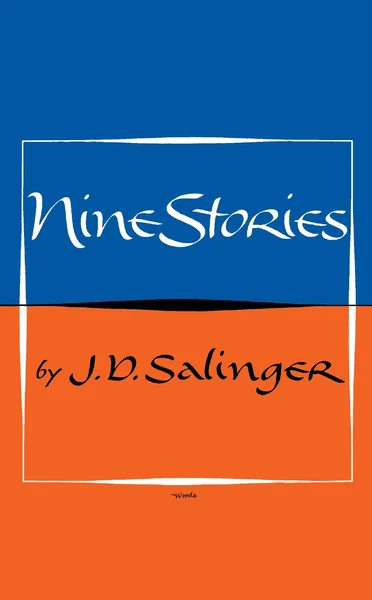
J.D. Salinger's Nine Stories stands as one of American literature's most enigmatic collections, offering readers a glimpse into the author's masterful ability to capture human fragility in deceptively simple prose. Published in 1953, this short story collection showcases J.D. Salinger's talent for finding profound meaning in everyday moments, long before The Catcher in the Rye made him a household name. For readers wondering is Nine Stories appropriate for teenagers, the answer requires careful consideration of its sophisticated themes and emotional complexity.

Stories That Cut Deep

Each of the nine tales in this collection operates like a perfectly crafted miniature, revealing layers of meaning that unfold long after the final sentence. J.D. Salinger demonstrates remarkable restraint, allowing subtext to carry the emotional weight rather than spelling everything out for readers. The stories range from the haunting "A Perfect Day for Bananafish" to the tender "For Esmé—with Love and Squalor," each examining different facets of human connection and disconnection.

The collection's opening story immediately establishes Salinger's ability to blend dark themes with seemingly light scenarios. His characters often hover on the edge of psychological crisis, their conversations loaded with unspoken tensions. This approach requires active reading—J.D. Salinger trusts his audience to recognize the deeper currents running beneath polite social interactions.

Salinger's Deceptive Simplicity

What makes these stories remarkable is J.D. Salinger's prose style, which appears effortless while achieving extraordinary precision. His dialogue captures authentic speech patterns without falling into mere transcription. Characters speak in ways that reveal their backgrounds, education levels, and emotional states through subtle word choices and speech rhythms.

The author's technique of withholding key information creates a sense of mystery that lingers well beyond reading. Unlike writers who explain their characters' motivations explicitly, Salinger allows readers to piece together psychological profiles through careful observation of behavior and dialogue. This approach rewards multiple readings, as new details emerge with each encounter.

Characters on the Brink

The protagonists throughout Nine Stories share a common thread of sensitivity that leaves them vulnerable to a harsh world. Many are soldiers returning from World War II, struggling to readjust to civilian life. Others are children whose innocence contrasts sharply with adult cynicism and corruption around them.

Salinger's characters often possess an almost painful awareness of phoniness and artificiality in social interactions. This hypersensitivity becomes both their defining characteristic and their tragic flaw. The author presents these individuals with genuine empathy while acknowledging the self-destructive nature of their perfectionism and idealism.

Themes That Endure

This short story collection explores timeless themes of alienation, authenticity, and the loss of innocence that continue to resonate with contemporary readers. J.D. Salinger examines how genuine human connection becomes increasingly difficult in a world that seems to reward superficiality and conformity. His stories suggest that those most capable of deep feeling are often least equipped to navigate society's demands.

Religion and spirituality weave through several stories, though not in conventional ways. Salinger presents various approaches to finding meaning, from Eastern philosophy to childhood faith, without endorsing any particular path. This spiritual searching reflects the broader post-war questioning of traditional values and beliefs.

The Controversy Factor

Nine Stories contains mature themes that make it challenging reading for younger audiences. Several stories deal with suicide, mental illness, and the psychological aftermath of war. The famous opening story concludes with a shocking act that requires sophisticated understanding to process appropriately. These elements explain why the collection typically appears on high school reading lists rather than middle school curricula.

The stories' emotional complexity can be overwhelming even for adult readers. J.D. Salinger doesn't provide easy answers or comfortable resolutions, leaving readers to grapple with difficult questions about human nature and society's failures. This ambiguity, while literarily sophisticated, can prove frustrating for readers seeking clear moral guidance.

My Critical Assessment

Nine Stories succeeds brilliantly as literary art while presenting genuine challenges as entertainment. Salinger's technical mastery is undeniable—his ability to convey volumes through suggestion and implication places him among America's finest short story writers. However, the collection's relentless focus on psychological distress and social alienation creates an emotionally draining reading experience.

The stories work best when approached as individual pieces rather than read consecutively. Their cumulative effect can feel oppressive, as J.D. Salinger's worldview offers little hope for meaningful human connection or personal happiness. While this pessimism reflects genuine insights about modern life, it limits the collection's appeal for readers seeking more balanced perspectives.

Worth the Emotional Investment?

Nine Stories remains essential reading for serious students of American literature and short story craft. Salinger's influence on subsequent writers is immeasurable, and these stories demonstrate techniques that continue to shape contemporary fiction. However, casual readers should approach with realistic expectations about the collection's challenging emotional content.

For teenage readers specifically, these stories offer valuable insights into adult psychological complexity while demanding significant maturity to process effectively. Teachers and parents should consider individual readiness levels before recommending this collection, as its themes require substantial life experience to fully appreciate.

SECTION 4: SCHEMA METADATA

Where to Buy

You can find Nine Stories at Amazon, Barnes & Noble, your local independent bookstore, or directly from Little, Brown and Company in various classic editions.

Related Reviews

History Matters by David McCullough - Book Review

April 19, 2026

Sin City Treachery by Gary Gerlacher Review: Vegas Thriller

April 19, 2026

The Sense of Wonder by Rachel Carson - Book Review

April 19, 2026

View all reviews