At a glance

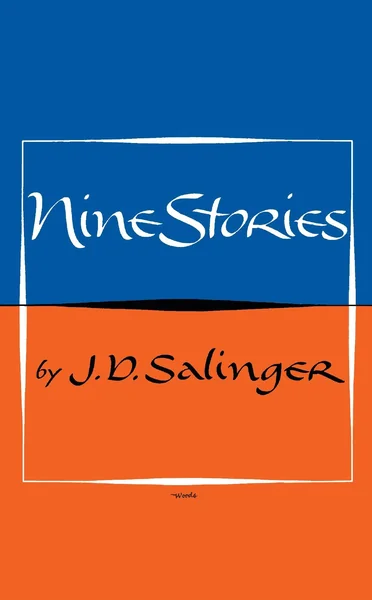
Nine Stories
LuvemBooks Verdict
Best for: Readers with a taste for precise, emotionally charged short fiction who are willing to sit with ambiguity — especially those tracing the arc of Salinger's work or approaching the Glass family for the first time.
Worth it? Skip it? Read the full verdict →Ask LuvemBooks
Was this helpful?
- Is it worth reading?
- For readers drawn to emotionally precise, post-war American literary fiction, Nine Stories is considered essential. Eudora Welty described the writing as "original, first-rate, serious, and beautiful," noting that the stories function as paradoxes — funny on the surface, devastating underneath — because they are "pure" in their refusal to editorialize or sentimentalize. Ann Patchett has called it "the most perfectly balanced collection of stories I know," citing its capacity to yield new discoveries across multiple re-reads. The key caveat is that Salinger's elliptical, withholding style and frequently unresolved endings reward patience and a willingness to sit with ambiguity — this is not a collection that exhausts itself on a single pass.
- Similar books
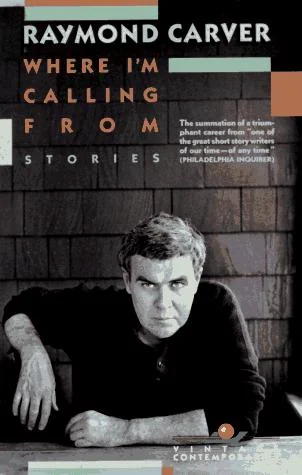
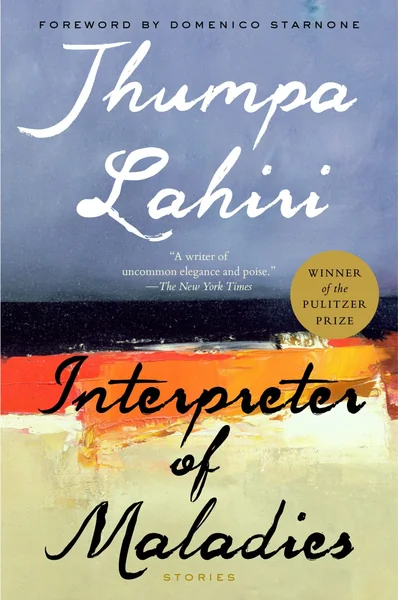
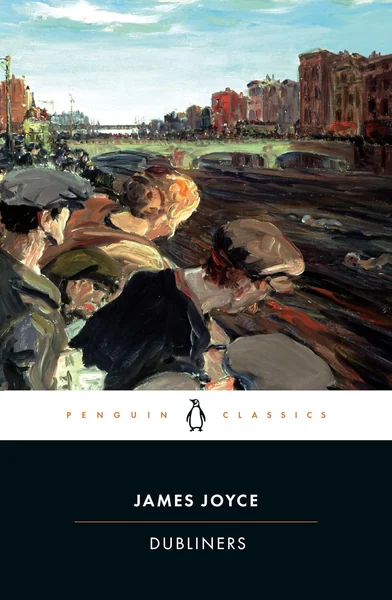
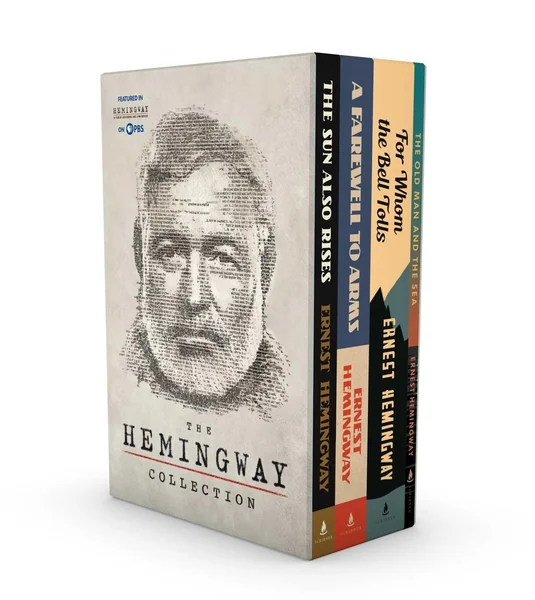
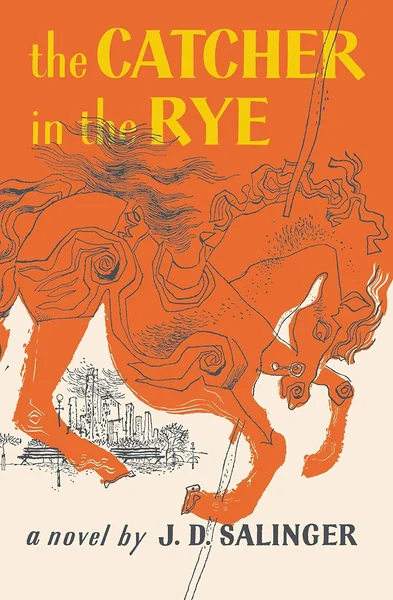
- Readers who respond to Nine Stories typically gravitate toward short fiction collections that prize compression, emotional precision, and elliptical storytelling over tidy resolution. Raymond Carver's Cathedral is the most obvious companion — spare, emotionally loaded stories about ordinary American lives that withhold as much as they reveal. James Joyce's Dubliners shares Salinger's commitment to the quietly devastating epiphany and the refusal to sentimentalize. Jhumpa Lahiri's Interpreter of Maladies brings similar emotional exactness to stories of displacement and longing. For more Salinger, The Catcher in the Rye — also reviewed on LuvemBooks — offers the same post-war American milieu with a more immediate, confessional voice. Ernest Hemingway's work (available as a Hemingway Boxed Set) is another touchstone, given Salinger's debt to Hemingway's iceberg theory of dialogue and subtext.
- Who should read this?
- Nine Stories is best suited to readers who are drawn to emotionally precise, post-war American literary fiction and who are comfortable sitting with ambiguity and unresolved endings. It is particularly rewarding for anyone already invested in Salinger's broader body of work — the collection is essential context for Franny and Zooey and Raise High the Roof Beam, Carpenters, as it marks the first appearance of the Glass family. Fans of Raymond Carver, James Joyce's Dubliners, or Jhumpa Lahiri's Interpreter of Maladies will find familiar pleasures here. Readers who prize tidy narrative closure, conventionally plotted stories, or the confessional accessibility of The Catcher in the Rye should approach with adjusted expectations.
- About J. D. Salinger
- Jerome David Salinger was an American author best known for his 1951 novel The Catcher in the Rye.
- What are the main themes?
- Nine Stories returns again and again to post-war trauma, the inner lives of children, and the collision between spiritual yearning and social performance — themes that run through the entire arc of Salinger's work. The collection's defining quality, as Eudora Welty identified, is its structural and tonal paradox: stories that are often very funny on the surface while being, underneath, about heartbreak, and that achieve this because they refuse to editorialize or sentimentalize. "For Esmé – with Love and Squalor" excavates the psychological wreckage of combat without ever staging combat directly, while "A Perfect Day for Bananafish" uses surface social comedy as the container for one of the most devastating endings in American short fiction. More philosophically demanding pieces like "Teddy" and "De Daumier-Smith's Blue Period" push further into spiritual and existential territory.
- Is it a good book club pick?
- Nine Stories is a strong book club selection for groups comfortable with literary ambiguity and open-ended discussion. Its nine self-contained stories allow a group to divide attention across multiple sessions or focus deeply on individual pieces — "A Perfect Day for Bananafish," "For Esmé – with Love and Squalor," and "Teddy" each carry enough interpretive richness to anchor a meeting on their own. Ann Patchett's observation that re-reading the collection at different life stages shifts one's passions from story to story gives experienced groups a built-in generational conversation. Groups expecting a single, resolved narrative arc may find the collection's deliberate withholding more frustrating than generative.
Summarize this book
Follow up
Synthesized from verified book data & published reviews · How we review
Press Enter to ask. Answers come from our editorial Q&A — start typing to see related questions.
Age & Reading Level
Recommended age
Adult
Reading level
Adult
2 content notes · who it suits
Content to know about
Skip if you want conventionally plotted stories with clear emotional resolution and satisfying closure.
Editorial Review
Originally published in April 1953, Nine Stories is a cornerstone of American short fiction — the collection that introduced J. D.…
Read the Full ReviewBooks like Nine Stories
Curated picks for readers who enjoyed Nine Stories, with our reasoning for each match.
If you liked Nine Stories