Best Short Story Collections for Mastering the Form

4 books
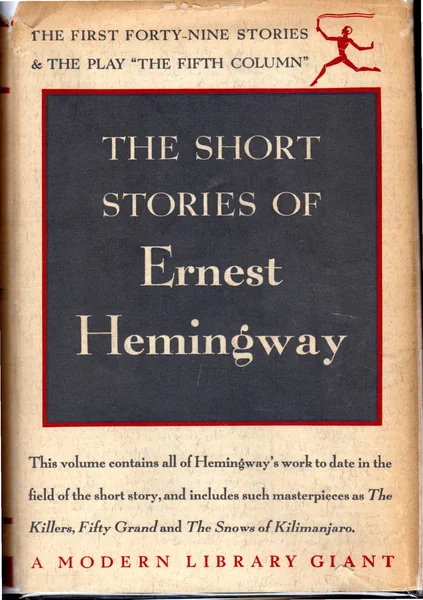
The Short Stories of Ernest Hemingway by Ernest Hemingway
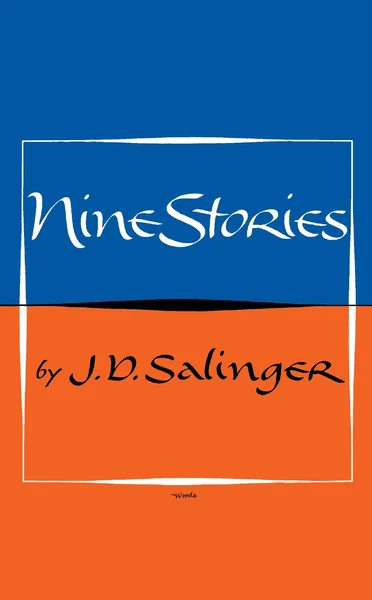
Nine Stories by J. D. Salinger
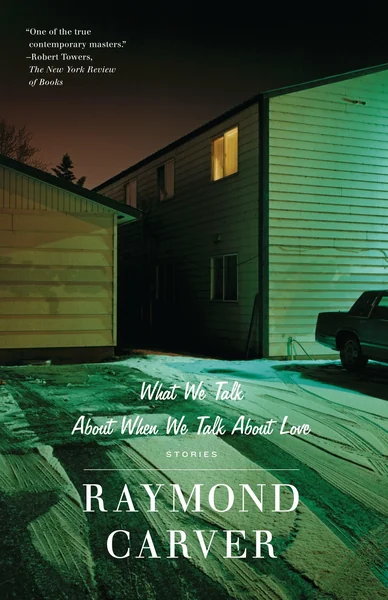
What We Talk About When We Talk About Love: Stories by Raymond Carver
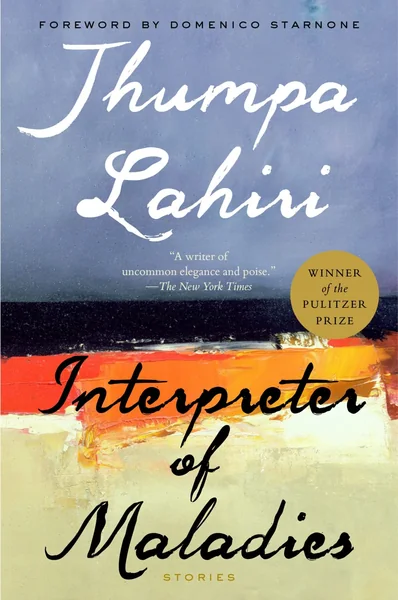
Interpreter of Maladies by Jhumpa Lahiri
Fiction

Best Short Story Collections for Mastering the Form

Curated recommendations for Busy readers with limited time

4 Books
4.2 Avg

The short story is one of literature's most demanding and rewarding art forms — and for busy readers with limited time, it may also be the perfect one. A great short story can deliver the emotional weight of a novel in the time it takes to drink a cup of coffee. The trouble is knowing where to start.

This list cuts straight to the essential collections — the ones that don't just entertain but actively teach you how the short story works at its highest level. Whether you're a writer hoping to sharpen your craft, a reader wanting richer literary experiences, or simply someone who wants to make the most of a spare twenty minutes, these four books are your ideal guides. From Hemingway's stripped-back iceberg theory to Lahiri's quietly devastating cultural portraits, each collection here has shaped the way writers and readers understand what a short story can — and should — do.

Featured Books

The Short Stories of Ernest Hemingway by Ernest Hemingway
Nine Stories by J. D. Salinger
What We Talk About When We Talk About Love: Stories by Raymond Carver
Interpreter of Maladies by Jhumpa Lahiri
4
Books in Collection
4.2/5
Average Rating
Mar 7, 2026
Published
#1
The Short Stories of Ernest Hemingway by Ernest Hemingway by Ernest Hemingway - book cover
The Short Stories of Ernest Hemingway by Ernest Hemingway

by Ernest Hemingway

4.2/5

The essential short story education in a single volume. Hemingway's forty-nine stories demonstrate his famous iceberg theory in action — the idea that a story's real meaning lives beneath the surface, carried by what the writer deliberately leaves out. Reading "Hills Like White Elephants" or "A Clean, Well-Lighted Place," you feel the weight of unspoken things pressing against every spare sentence. For busy readers, the format is ideal: most stories clock in under twenty minutes, yet the craft rewards close attention. That said, some pieces feel culturally dated, and Hemingway's masculine preoccupations — war, hunting, drinking — can wear thin. Come for the technique, not the worldview.
"The technique of omitting surface elements while allowing deeper meaning to emerge through subtext."
N/A
Level: N/A
#2
Nine Stories by J. D. Salinger by J. D. Salinger - book cover
Nine Stories by J. D. Salinger

by J. D. Salinger

4.2/5

If you've ever wondered what The Catcher in the Rye looks like when Holden Caulfield grows up and goes quiet, Nine Stories by J.D. Salinger is your answer. Salinger writes damage without explaining it — his characters carry wounds from war, grief, and the particular exhaustion of being too sensitive for the world they've landed in, and he trusts you to feel it without editorializing. "A Perfect Day for Bananafish" opens the collection with Seymour Glass, a war veteran whose ease around children and alienation from adults builds toward an ending that's both shocking and, on reflection, completely inevitable. Each story is short enough to read on a lunch break, but the emotional residue lingers. Fair warning: these are not comforting reads. Salinger refuses resolution, and readers who need tidy endings will find the collection maddening.
"He renders damage without editorializing it."
N/A
Level: N/A
#3
What We Talk About When We Talk About Love: Stories by Raymond Carver by Raymond Carver - book cover
What We Talk About When We Talk About Love: Stories by Raymond Carver

by Raymond Carver

4.2/5

Raymond Carver's What We Talk About When We Talk About Love is a collection built on a provocative premise: silence is a form of meaning, not the absence of it. His characters — working-class, often drinking, struggling to say what they actually feel — speak in plain sentences that somehow carry enormous weight. The technique, called dirty realism, strips away psychological explanation entirely, leaving you to read gesture and omission the way you'd read a real person in a difficult conversation. Individual stories run short, making this perfect for readers who can only spare fifteen minutes at a time. The honest caveat: Carver rewards patience and active reading. If you find yourself frustrated by stories that end without resolving, this collection will test you — but that frustration is, arguably, the point.
"What's left unsaid carries more weight than what's spoken."
N/A
Level: N/A
#4
Interpreter of Maladies by Jhumpa Lahiri by Jhumpa Lahiri - book cover
Interpreter of Maladies by Jhumpa Lahiri

by Jhumpa Lahiri

4.2/5

Nine stories, and yet Interpreter of Maladies by Jhumpa Lahiri reads like one long, quiet exhale. This Pulitzer winner earns its reputation not through dramatic plot turns but through the kind of precise, accumulated detail that makes short fiction genuinely hard to write — the mundane moments inside a marriage, the small miscommunications between cultures, the way belonging can feel just out of reach even in familiar rooms. For anyone studying the short story form, Lahiri's architectural restraint is practically a masterclass: meaning surfaces through what's left unsaid as much as what's written. Stories move fluidly between India and America, between arranged and chosen relationships, never settling into easy conclusions. That restraint is also the honest caveat here — readers who prefer emotional payoff delivered directly may find these stories frustratingly understated. But for busy readers with only thirty minutes to spare, each story stands alone as a fully realized world. Dip in anywhere.
"Her sentences carry the weight of unsaid emotions, creating space for readers to inhabit the internal lives of her characters."
Adult
Level: Advanced
Final Thoughts

The short story rewards patience and attention in equal measure, but the beauty is that it never demands too much of your time at once. Each of these collections — The Short Stories of Ernest Hemingway, Nine Stories, What We Talk About When We Talk About Love, and Interpreter of Maladies — can be read in fragments, revisited between meetings, or savored slowly on a quiet weekend.

More importantly, they'll change how you read everything else. Once you understand the craft behind a perfectly constructed short story, you'll never look at fiction the same way again. Start with whichever title calls to you most — there's no wrong entry point into this remarkable form.

Frequently Asked Questions

If you're new to literary short fiction, Interpreter of Maladies by Jhumpa Lahiri is an excellent starting point. Its stories are emotionally accessible and immediately engaging, drawing you in with vivid characters and universal themes of belonging and connection before you even notice the craft at work beneath the surface.
That's one of the great advantages of the form. Most collections on this list contain between eight and fifteen stories, each ranging from five to thirty minutes of reading time. You can easily read one or two stories per day and finish an entire collection like What We Talk About When We Talk About Love within a week — even with a packed schedule.
Absolutely — and these collections are among the best teachers available. Hemingway's work demonstrates the power of omission and economy, while Carver's minimalism shows how much emotional weight spare, ordinary language can carry. Reading these stories closely is like taking a masterclass in structure, voice, and restraint.
Carver pioneered what's often called "dirty realism" — a style built on plain language, working-class characters, and stories that end without neat resolution. His influence on contemporary short fiction is enormous. Reading What We Talk About When We Talk About Love will help you understand why so much modern literary fiction sounds the way it does.
Very much so. While some stories in The Short Stories of Ernest Hemingway reflect attitudes of their era, the technical lessons remain timeless. Hemingway's "iceberg theory" — the idea that a story's true meaning should be felt beneath the surface rather than stated outright — is still one of the most powerful principles in fiction writing today.
Where Hemingway and Carver strip language back to its bones, Lahiri brings a quieter, more layered elegance to her prose. Interpreter of Maladies explores the immigrant experience and cultural dislocation with remarkable empathy and precision. It adds essential contemporary and multicultural perspectives to this list, making the reading experience feel both timely and deeply humane.
Reader Comments
P
PageTurnerPete
3 days ago

Fantastic list. I've been trying to get more into short fiction for a while and always bounced off it, but picking up Carver last month completely changed that for me. That collection hits like a freight train disguised as a bicycle. Now I'm working through the Salinger and I can already feel it changing how I think about endings. Highly recommend reading these alongside each other rather than one at a time — the contrast between styles is really instructive.

C
coffeeandpages_
5 days ago

love this list tbh. carver on here is a must, no notes

S
SkepticalReader
1 week ago

Solid choices, but I'm genuinely surprised there's no Alice Munro or Flannery O'Connor here. Both are arguably more essential to understanding the short story form than some of these picks. Feels like a missed opportunity, especially for readers who want to go deep on craft.

L
LuvemBooks
Reviewer
6 days ago
Replying to SkepticalReader

Great point — both Munro and O'Connor are absolutely titans of the form, and you're right that they could easily anchor a list like this. We kept this one focused and tight (just four books!) to make it feel manageable for busy readers, but a deeper craft-focused deep dive list with Munro and O'Connor is definitely on our radar. Thanks for pushing us on it!

N
NightOwlNarrator
1 week ago

I read Interpreter of Maladies for a university course about ten years ago and honestly didn't appreciate it the way I should have. Picked it up again last year as an adult with more life experience and it completely wrecked me in the best way. "A Temporary Matter" especially. Some books just need the right season of your life.

T
TeacherReads
2 weeks ago

I use three of these four in my high school AP Literature class and the pedagogical value is enormous. Students who struggle with novels often thrive with short stories because the feedback loop is faster — you can read, discuss, and reflect all in one class period. Hemingway in particular sparks incredible conversations about what *isn't* on the page. Highly recommend this list for educators too.

R
reader_7741
2 weeks ago

quick q — is the salinger collection good if you've only ever read catcher in the rye? not sure if his short story style is totally different

L
LuvemBooks
Reviewer
2 weeks ago
Replying to reader_7741

Great question! <em>Nine Stories</em> has a similar emotional intensity to <em>The Catcher in the Rye</em> but feels more concentrated and in some ways even more experimental. If you loved Holden's voice and Salinger's knack for psychological depth, you'll find a lot to connect with — though the short story form means he gets in and out much faster. "A Perfect Day for Bananafish" is a great place to start.

B
BookClubQueen
3 weeks ago

We did Carver for book club last month and honestly it was one of our best sessions ever. The stories are short enough that everyone actually finishes them (looking at you, 500-page novel months), and there is SO much to unpack. "What We Talk About When We Talk About Love" the title story had us arguing for two hours. 10/10 would recommend for any book club looking for something with real literary bite.

C
CozyReadingNook
3 weeks ago

This is exactly the kind of list I needed. I always feel guilty that I don't have time for big novels right now but short stories feel so much more manageable. Starting with Lahiri this weekend ☕📖

L
LitCritLennox
1 month ago

I'd argue Carver is slightly overrated in these craft discussions — his stripped-back style was very much a product of his editor Gordon Lish's heavy hand, and the original manuscripts tell quite a different story. Still worth reading, obviously, but the "Carver as pure minimalist genius" narrative glosses over some complicated authorship questions. Might be worth a footnote for readers who want the full picture.

H
HistoryNerd42
1 month ago

came here for fiction recs, ended up ordering all four books. this is a problem i'm very okay with

Q
QuietPagesTurner
1 month ago

The Hemingway collection is dense but worth it. I'd suggest starting with "Hills Like White Elephants" or "A Clean, Well-Lighted Place" before diving into the longer ones — those two stories alone teach you more about subtext than most craft books. Once you understand what Hemingway is doing beneath the dialogue, everything else clicks into place.

B
BudgetBookBuyer
1 month ago

All four of these are available at my library as ebooks so zero excuses not to read them. Public libraries remain the greatest invention in human history and that's final.

Best Short Story Collections for Mastering the Form | LuvemBooks