
8 min read
4.5
· 1,195 Amazon ratingsShare This Review

Cathedral by Raymond Carver Review: A Landmark Collection of American Minimalism
Raymond Carver's Cathedral is a short story collection widely regarded as one of the defining achievements in American short fiction — a finalist for the 1984 Pulitzer Prize for Fiction and the work in which Carver's signature minimalism opened into something warmer and more expansive. The Vintage reissue keeps this essential collection in print and in reach of new generations of readers.
LuvemBooks Verdict
Best for
Readers drawn to literary short fiction who value emotional texture, precise prose, and the unspoken — particularly those exploring the American minimalist tradition or seeking a foundational Carver text for the first time.
Worth it if
You find meaning in what fiction leaves unsaid, and you're willing to sit with open endings, suspended ambiguity, and the quiet weight of blue-collar lives at moments of unexpected human connection.
Skip if
You prefer fiction with strong narrative momentum and resolved emotional payoffs — Carver's deliberately elliptical, restrained style will feel more like frustrating incompleteness than purposeful craft.
What readers & critics say
Kirkus Reviews praised the collection on publication, writing that "with his third collection of stories, Carver has securely hit his stride; his stories seem like no one else's," singling out the title story as "perhaps the grandest." Wikipedia's critical summary records that Cathedral was a finalist for the 1984 Pulitzer Prize for Fiction, and notes that The New York Times Book Review critic Irving Howe observed Carver was "moving toward a greater ease of manner and generosity of feeling" in the new collection, while still finding his "abrupt rhythms and compressions" decisively present.
“Carver has securely hit his stride; his stories seem like no one else's — written in a flat, Far Western style until a metaphor makes a tight cinch at the end.”
— Kirkus ReviewsAsk LuvemBooks
Was this helpful?
- Is it worth reading?
- For readers open to literary minimalism, Cathedral is an essential collection — a Pulitzer Prize finalist that critics including Irving Howe recognized as evidence of Carver "moving toward a greater ease of manner and generosity of feeling" without abandoning his technical precision. The Christian Science Monitor's Bruce Allen called the title story "among the year's finest fiction," describing it as "about learning how to imagine, and feel." What critics consistently identified is the collection's capacity to render isolation and then puncture it through unexpected human connection — a quality that has kept Cathedral on university syllabi and in serious readers' hands for decades. The key caveat: Carver does not tie stories closed, so readers who read for plot resolution and explicit emotional payoff will find the collection's quietness a genuine obstacle.
- Similar books
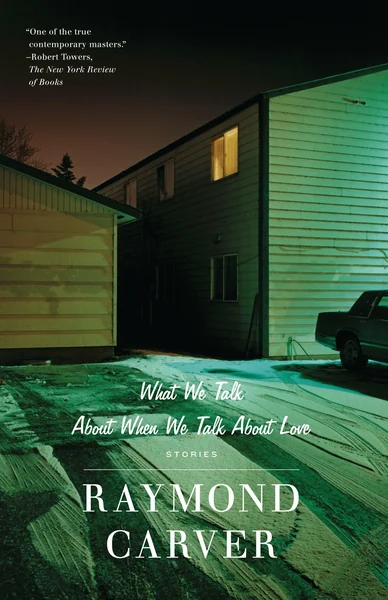
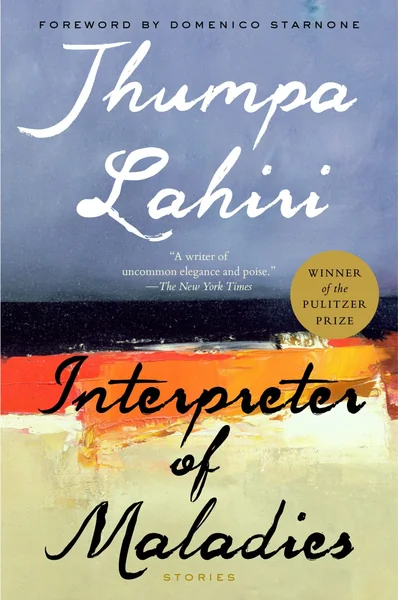
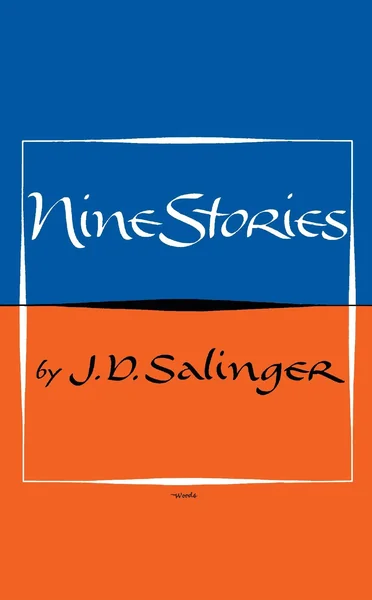
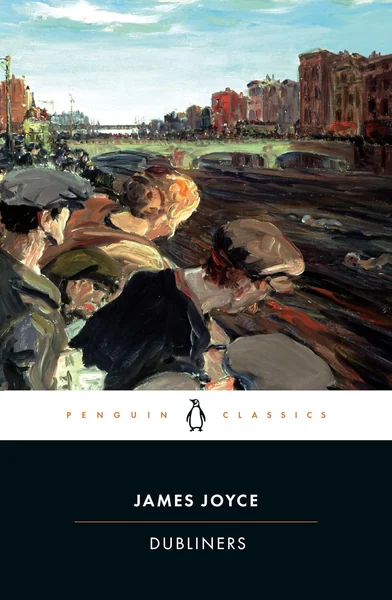
- Readers drawn to Cathedral's literary minimalism and working-class emotional terrain have several strong options nearby. Raymond Carver's own What We Talk About When We Talk About Love is the essential companion — the bleaker, harder-edged collection that Cathedral consciously evolved beyond. Jhumpa Lahiri's Interpreter of Maladies offers similarly precise, quietly devastating stories of dislocation and human distance. James Joyce's Dubliners is the canonical ancestor of the form, tracing Irish lives at moments of stasis and revelation with the same elliptical restraint. J. D. Salinger's Nine Stories and John Fante's Ask the Dust round out a reading list for anyone exploring the minimalist and working-class American literary traditions that Cathedral inhabits.
- Who should read this?
- Cathedral is best suited to adult readers of literary fiction who are comfortable with — or actively drawn to — open-ended narratives and emotional restraint. It rewards readers who find meaning in the texture of what is left unsaid: those interested in working-class American life, the minimalist tradition, or the craft of the short story form will find it essential. It is widely taught in university literature courses and cited as a model of the form, making it a natural fit for students of creative writing or American literature. Readers who require resolved narratives or explicit emotional conclusions, or who are encountering literary minimalism for the first time without patience for ambiguity, may find the experience frustrating.
- About Raymond Carver
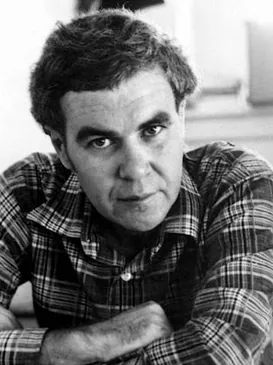
- Raymond Carver's full name was Raymond Clevie Carver Jr.
- What are the main themes?
- Cathedral builds its twelve stories around interconnected themes of intimacy and isolation, the difficulty of human perception, and the unexpected meaning that emerges through art and gesture. Critics consistently identified the collection's capacity to render characters locked in insularity — and then engineer moments where an unexpected outsider punctures that closed world, as Robert does with the narrator in the title story. Across the collection, Carver maps working-class American experience: estrangement, job loss, grief, and the fragile attempts at connection that surface in "Chef's House," "Preservation," and "A Small, Good Thing." The Christian Science Monitor's Bruce Allen described the title story specifically as being "about learning how to imagine, and feel" — a phrase that captures the collection's emotional core.
- How does this compare to What We Talk About When We Talk About Love?
- Cathedral is widely understood as a deliberate evolution beyond What We Talk About When We Talk About Love — Carver himself signaled a conscious move away from the bleak compression that defined that earlier collection when he wrote the title story "Cathedral" as its immediate successor. Where What We Talk About When We Talk About Love is starker and harder-edged in its minimalism, Cathedral opens into what Irving Howe described as "a greater ease of manner and generosity of feeling." LuvemBooks' assessment positions Cathedral as the essential next step for readers who have already spent time with What We Talk About When We Talk About Love — proof that Carver could, without losing his discipline, let a little more light in.
- Is this a good book club pick?
- Cathedral is an unusually strong book club selection because its open-ended, elliptical stories are designed to generate conversation rather than consensus — there is rarely a single "correct" reading of how a Carver story resolves, which makes for productive disagreement. The title story's quietly devastating final image of the narrator drawing a cathedral guided by Robert's hand offers a particularly rich focal point. The collection's relatively short individual stories also make it easy to read and discuss one or two pieces per session. The one caveat for groups: readers who find ambiguity and withheld resolution frustrating may not engage as enthusiastically as those who are comfortable sitting with open endings.
Summarize this book
Follow up
Synthesized from verified book data & published reviews · How we review
Press Enter to ask. Answers come from our editorial Q&A — start typing to see related questions.
Age & Reading Level
Recommended age
Adult
Reading level
Adult
2 content notes · who it suits
Content to know about
Skip if you prefer fiction with clear narrative resolution and explicit emotional closure.
Our Review
What the Collection Is and Contains
Significance and Place in Carver's Career
Critical Strengths: Expansion Without Abandonment
Genuine Limitations and Who May Struggle
Who Cathedral Is For Today
Sources & Further Reading
The key facts and claims in this review are grounded in the retrieved, verified sources listed below.
- Cited in this review
- 1
penguinrandomhouse.com
- 2
libguides.southflorida.edu
- Further reading
- 3
Raymond Carver, Wikipedia
- 4
en.wikipedia.org
- 5
- 6
- 7
- 8
- 9
marcoetheridgefiction.com
- 10
interestingliterature.com
Books like Cathedral
Curated picks for readers who enjoyed Cathedral, with our reasoning for each match.
If you liked Cathedral

Why It’s Trending
Carver's Cathedral Finds New Readers Through Daily Reading Communities
Raymond Carver's Cathedral is getting fresh attention as daily reading communities and short fiction enthusiasts rediscover it. With short story collections perfectly suited to bite-sized reading habits, Carver's most celebrated work keeps finding new audiences.