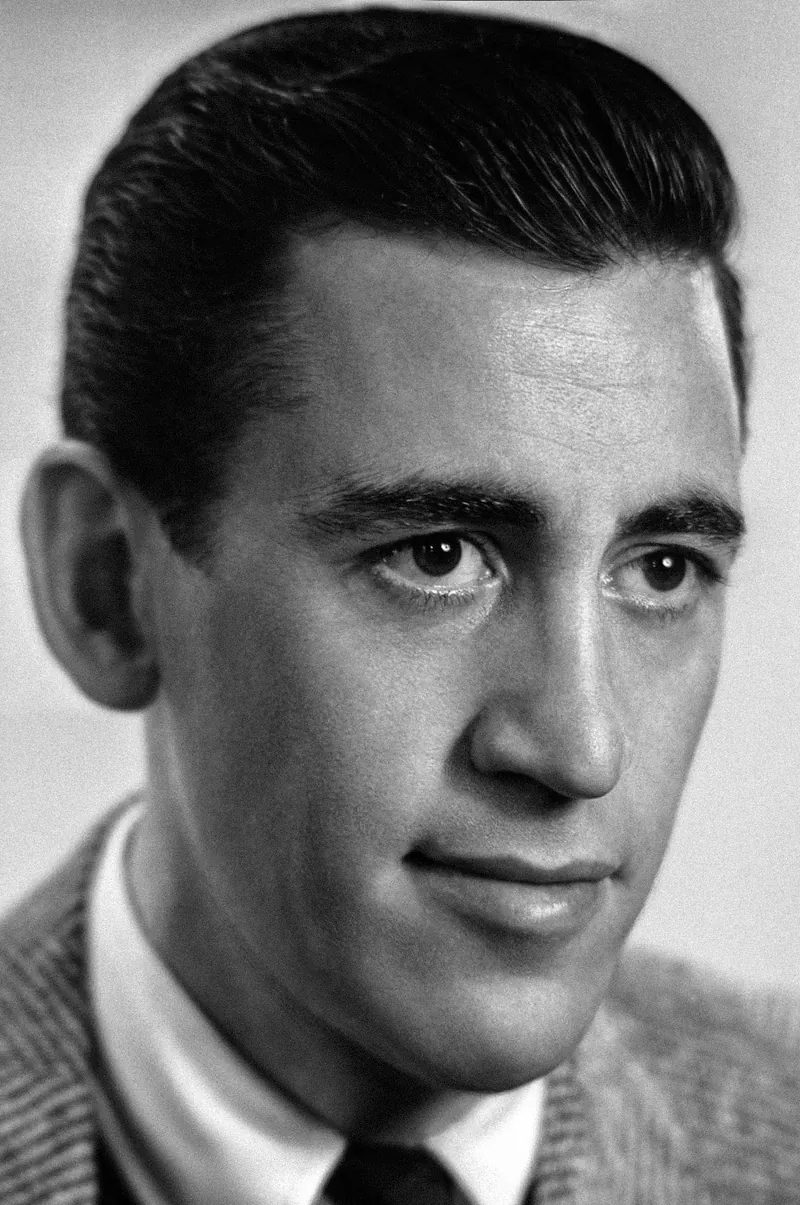
J. D. Salinger
2
Books ReviewedAsk LuvemBooks about J. D. Salinger
- Where should I start?
- For most readers, The Catcher in the Rye is the natural entry point — it is the work that defines Salinger's reputation and introduces the themes of adolescent disillusionment and social alienation that run through his fiction. Its narrator Holden Caulfield is one of the most imitated voices in American literature, and reading it first gives useful context for everything else Salinger wrote. If you already know that novel well, Nine Stories offers a different angle: tighter, more formally varied, and often darker in its conclusions.
- What's their writing style?
- Salinger's most distinctive quality is his ear for vernacular speech: his narrators talk in rhythms that feel genuinely overheard rather than composed, full of repetition, digression, and self-correction. Beneath that colloquial surface, he is a precise and economical writer — his short fiction in particular relies heavily on what is left unsaid, with endings that withhold resolution in ways that feel deliberate rather than evasive. He returns repeatedly to characters on the edge of psychological crisis, often young people or war veterans, who are acutely aware of the performative falseness of the social world around them.
- Books we've reviewed
- LuvemBooks has reviewed two works by Salinger. Nine Stories (reader rating 4.6/5 from 1,786 Amazon ratings) is his short fiction collection, gathering ten pieces that range from the wry to the quietly devastating — 'A Perfect Day for Bananafish' alone has generated decades of critical debate. The Catcher in the Rye (reader rating 4.4/5 from 47,234 Amazon ratings) is the novel that made his name, following teenager Holden Caulfield across a few days in New York City in a voice that has been absorbed deeply into the fabric of American fiction.
- How do his books compare?
- Both reviewed titles deal in alienation and the difficulty of genuine human connection, but they do so in quite different forms. The Catcher in the Rye gives that theme sustained, novelistic treatment through a single relentless narrator; Nine Stories approaches it obliquely through compression and ambiguity, allowing Salinger to explore a wider range of characters and social situations. Nine Stories carries a slightly higher reader rating (4.6 versus 4.4), though The Catcher in the Rye has been rated by vastly more readers, suggesting a broader but perhaps more divided audience.
- What genre does Salinger write?
- Both of Salinger's reviewed works are literary fiction — character-driven, psychologically oriented prose that prioritises voice and interiority over plot mechanics. His work does not fit neatly into popular genre categories such as thriller or romance; it sits firmly in the mid-twentieth century American literary tradition alongside authors like John Cheever and Flannery O'Connor. Readers who gravitate toward fiction that rewards close attention to language and subtext tend to find his work more satisfying than those who prioritise narrative momentum.
- What should I read after The Catcher in the Rye?
- If you want to stay with Salinger, Nine Stories is the obvious next step — it expands his range considerably and includes some of his most admired individual pieces. Beyond Salinger, readers often find common ground with Sylvia Plath's The Bell Jar, which shares a similar confessional energy and preoccupation with social alienation, or with Ralph Ellison's Invisible Man for a contemporaneous but very different take on the outsider experience in mid-century America.
Who is J. D. Salinger?
Follow up
Synthesized from verified book data & published reviews · How we review
Press Enter to ask. Answers come from our editorial Q&A — start typing to see related questions.
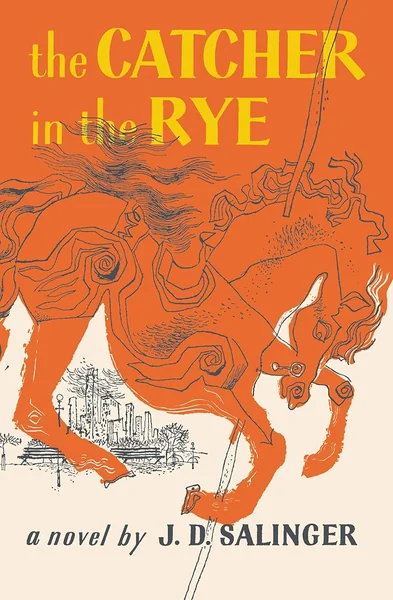
The Catcher in the Rye by J. D. Salinger
4.4/5
J. D. Salinger's novel The Catcher in the Rye follows sixteen-year-old Holden Caulfield through a turbulent few days after his expulsion from Pencey Preparatory Academy, as he wanders New York City railing against the "phoniness" of the adult world. Decades after its publication, it continues to sell roughly one million copies per year — a testament to the enduring power of Holden's voice and the novel's unflinching portrait of adolescent alienation, grief, and the desperate search for authenticity.
Reviewed Mar 21, 2026
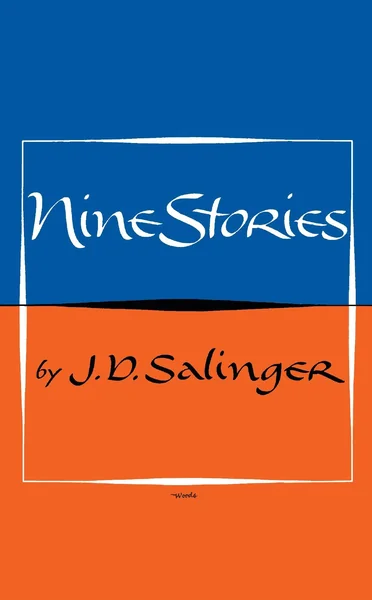
Nine Stories by J. D. Salinger
4.6/5
Originally published in April 1953, Nine Stories is a cornerstone of American short fiction — the collection that introduced J. D. Salinger's full range to readers and gave the world both "A Perfect Day for Bananafish" and the first appearance of the Glass family. Critical coverage Book Review, in a notice by Eudora Welty, called the writing "original, first-rate, serious, and beautiful," and that verdict has only deepened with time. Readers drawn to emotionally precise, post-war American literary fiction will find this collection essential.
Reviewed Feb 11, 2026
Authors Like J. D. Salinger

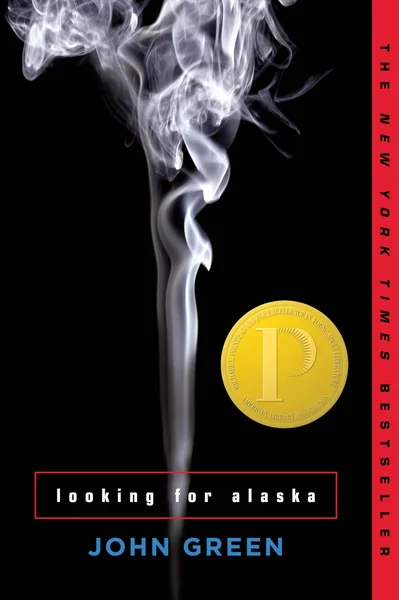
John Green
John Michael Green is an American author and YouTuber.
2 books reviewed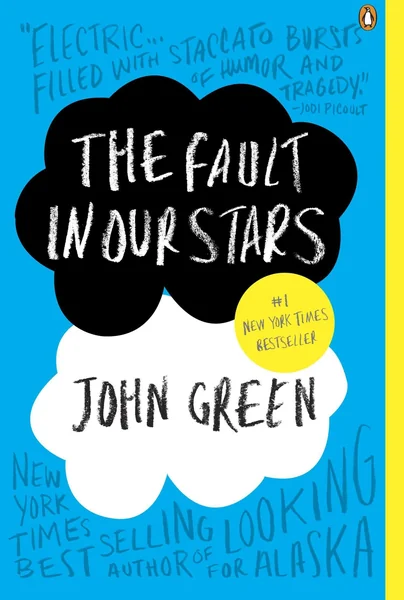
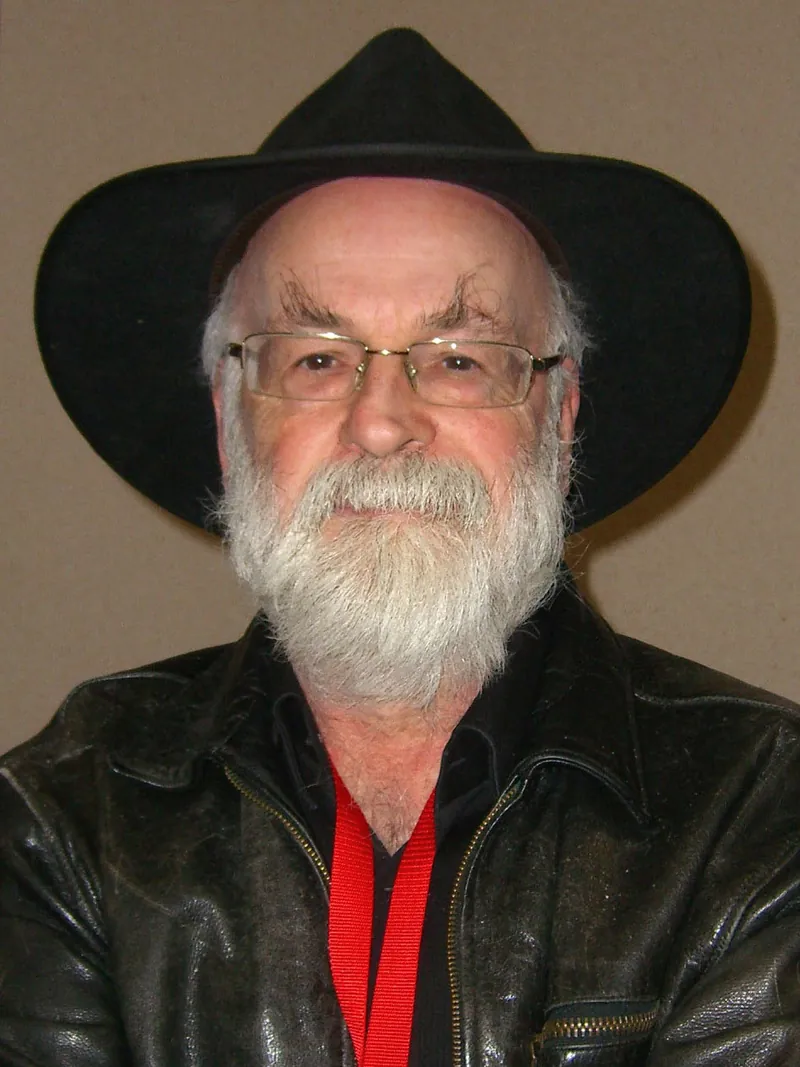
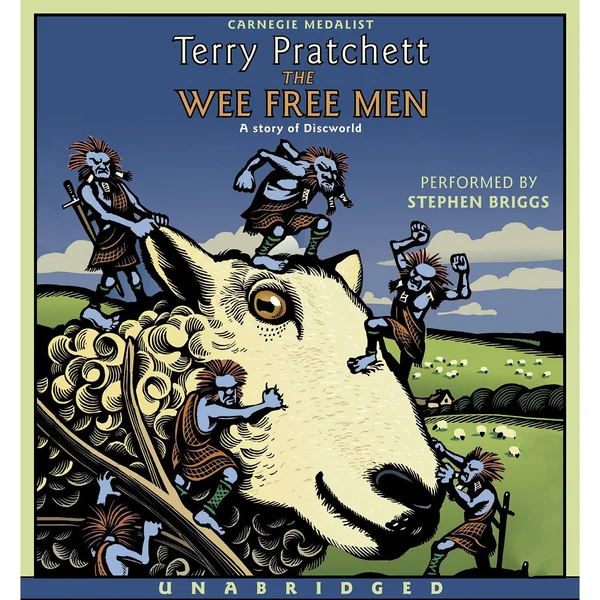
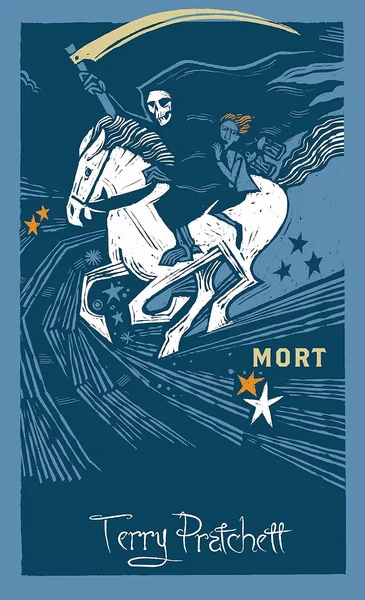
Terry Pratchett
Beloved British fantasy author of the Discworld series, known for his satirical wit and having sold over 85 million books worldwide.
14 books reviewed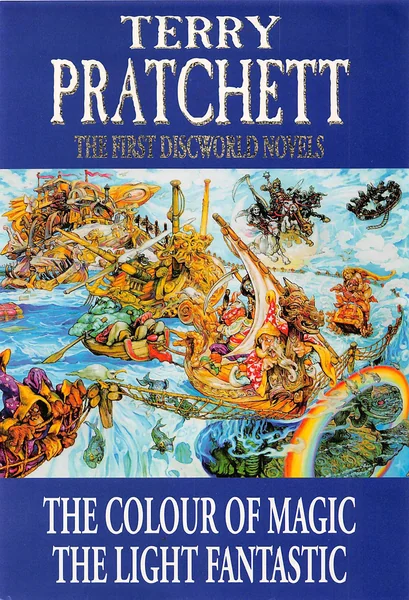
Sarah Crossan
Sarah Crossan is a Young Adult author known for *Toffee*, a novel that explores friendship and coming-of-age themes. Her writing in the YA genre focuses on character-driven narratives that resonate with teen readers.
1 book reviewed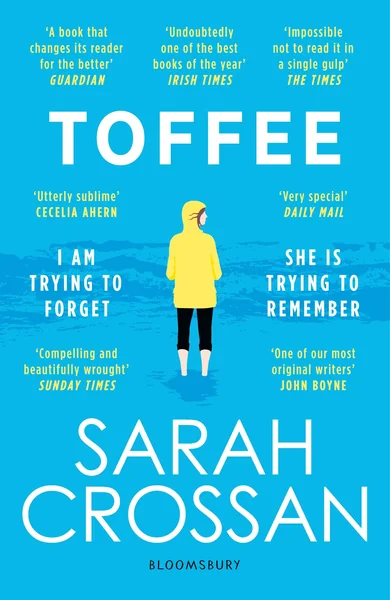
Tamara Ireland Stone
Tamara Ireland Stone is a New York Times bestselling author of Young Adult and Middle Grade novels, including *Every Last Word*, *Time Between Us*, *Time After Time*, *Click'd*, and *Little Do We Know*. Before writing fiction, she spent nearly two decades in the technology industry and has provided marketing strategy services to leading brands for nearly thirty years.
1 book reviewed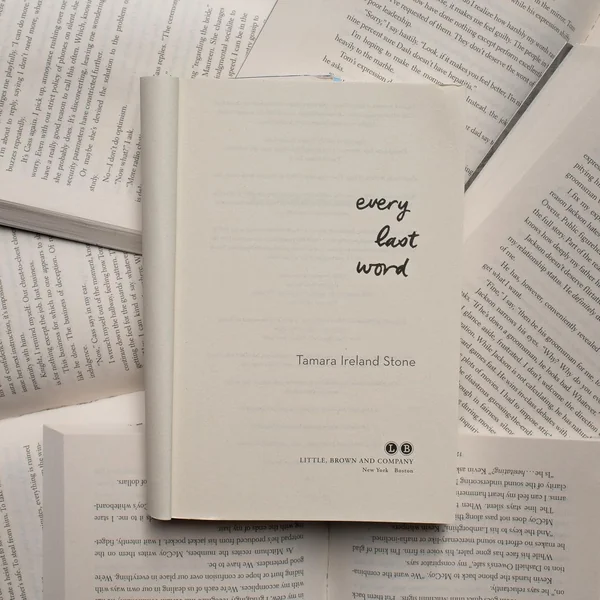
Stephen W. Hiemstra
Stephen W. Hiemstra (MDiv, PhD) is an author, volunteer pastor in Hispanic ministry, and speaker who lives in Centreville, Virginia, with his wife, Maryam, and their three grown children. He blogs four times weekly at T2Pneuma.net and has published multiple works, including novellas and screenplays such as The Detour (2023), Christmas in Havana (2024), and Jeez and the Gentile (2025).
1 book reviewed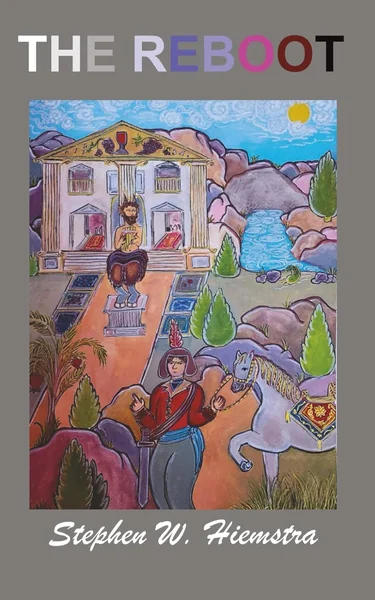
Hom Chanthy
Hom Chanthy is the author of *Beneath a Scarlet Sky: Under the War-Torn Sky*, a short story described as a gripping tale about courage, sacrifice, and hope surviving in the darkest moments of human conflict. The work is part of a short stories series and is available as a Kindle eBook on Amazon.
1 book reviewed