BOOKS
Published

Read Time

9 min read

Reader rating

4.6

· 733 Amazon ratings
reader ratings, not a LuvemBooks score
Curated & edited by

LuvemBooks Editorial

How we create our reviews →
Share This Review

The Survivor Wants to Die at the End by Adam Silvera Review: A Raw, Emotionally Charged Third Installment

The Survivor Wants to Die at the End is the third installment in Adam Silvera's #1 New York Times and USA Today bestselling They Both Die at the End series — a YA speculative fiction trilogy built around Death-Cast, a service that notifies people on the last day of their lives. This volume centers on two Puerto Rican teens, Paz Dario and Alano, who are brought together by fate and must navigate mental health crises, a violent organization, and each other, in a story that critical coverage describes as "raw, delicate, and deeply caring." This review is based on the book's contents as described by its publisher and published critical sources, not hands-on reading.

LuvemBooks Verdict

Best for

Devoted fans of Adam Silvera's They Both Die at the End series — particularly readers aged 14–18 who are drawn to YA that pairs speculative thriller momentum with unflinching, carefully handled explorations of mental health, grief, and identity.

Worth it if

Worth reading if you've followed the series and want a continuation that maintains its emotional intensity, appreciate dual-protagonist YA with meaningful Puerto Rican representation, and are prepared for frank but responsible treatment of suicidal ideation, self-harm, and borderline personality disorder.

Skip if

Skip it — or approach with serious caution — if you're sensitive to depictions of suicide, self-harm, or abuse, or if you're new to the series and looking for a standalone thriller with a fully resolved ending, as the cliffhanger conclusion assumes prior investment and leaves threads open.

Kirkus Reviews calls the novel "as suspenseful and emotionally wrenching as the previous titles in the series — raw, delicate, and deeply caring," while critical coverage (starred review) describes it as "a remarkable achievement that begs to be embraced and savored," and critical coverage (starred review) calls Silvera "one of the best storytellers of the modern era" — all as relayed via unabridgedbookstore.com and amazon.ca. Bookishelf.com characterises the novel as "a deeply introspective, raw, and timely exploration of survival, grief, identity, and chosen hope" that "doesn't flinch from darkness."

As suspenseful and emotionally wrenching as the previous titles in the series. Raw, delicate, and deeply caring.

Kirkus Reviews
Sources: Kirkus Reviews, Publishers Weekly, The Story Sanctuary, The Sassy Library Fox, Bookishelf
4.6from 733 Amazon ratings— reader ratings, not a LuvemBooks score

Age & Reading Level

Recommended age

Ages 12–18

Reading level

Young adult

Content to know about

suicidal ideation
self-harm
abuse
borderline personality disorder portrayal
on-page mental health crisis

Best for: Ages 14+ — frank depictions of suicidal ideation, self-harm, abuse, and borderline personality disorder require emotional readiness beyond early YA; Kirkus categorizes the novel for readers aged 14 to 18.

Skip if you're looking for a light or escapist read and are sensitive to frank depictions of suicide, self-harm, or mental illness.

In This Review
  • What Works & What Doesn't
  • What the Book Is and What It Contains
  • Themes and Emotional Terrain
  • Silvera's Standing and the Series' Reputation
  • What the Book Does Well
  • Who This Book Is For — and Who Should Approach With Care

What Works & What Doesn't

What Works
  • Third installment in the #1 New York Times and USA Today bestselling They Both Die at the End series, carrying significant literary momentum
  • Kirkus Reviews praises it as 'as suspenseful and emotionally wrenching as the previous titles in the series'
  • Tackles mental health themes — including borderline personality disorder, self-harm, and suicidal ideation — with deliberate care, including professional-help messaging and reader resources
  • Both protagonists are Puerto Rican, providing specific, meaningful representation at the story's center
  • Booklist (starred review) and School Library Journal (starred review) have celebrated Silvera's series as a benchmark of modern YA storytelling
What Doesn't
  • The frank depictions of suicide, self-harm, abuse, and mental illness make this a demanding read that may not suit all YA audiences — the included content warning is substantive, not precautionary
  • The cliffhanger ending, while generating anticipation, may frustrate readers seeking full resolution within this volume
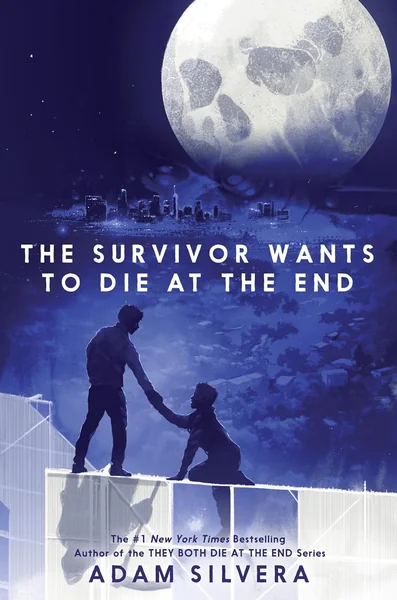
The Survivor Wants to Die at the End is the third installment in Adam Silvera's #1 New York Times and USA Today bestselling They Both Die at the End series — a work of YA speculative fiction reviewed here on the basis of published critical sources and publisher materials, not hands-on reading.
The Survivor Wants to Die at the End: A #1 NYT Bestselling YA Thriller About Fate and Friendship (They Both Die at the End Series, 3) by Adam Silvera front cover

What the Book Is and What It Contains

In this third entry in the They Both Die at the End series, two strangers — each carrying a complicated relationship to Death-Cast, the series' fictional notification service that alerts people on the final day of their lives — are brought together by fate and challenged to help each other learn to live. Paz Dario stays up every night waiting for a Death-Cast call, hoping it will release him from a life he's been faking his way through. Alano, meanwhile, faces a different mortal threat: a violent organization called the Death Guard that puts his own End Day within reach. Both protagonists are of Puerto Rican heritage, and Silvera builds around them what critical coverage describes as "a web of complex relationships." The novel's central tension is whether Paz and Alano can survive the tragic trials ahead together — the series tagline, reframed: so no one dies at the end.
as suspenseful and emotionally wrenching as the previous titles in the series

Themes and Emotional Terrain

Silvera does not soften the subject matter in this installment. The novel engages directly with abuse, mental health, self-harm, and suicide. Paz grapples with a recent diagnosis of borderline personality disorder, and while the bond that forms between him and Alano — rooted in Alano's desire to support Paz — is central to the story's emotional core, critical coverage notes that Silvera deliberately emphasizes the importance of professional help rather than positioning friendship alone as a cure. The book includes a content warning and mental health resources, reflecting a clear authorial commitment to responsible handling of its weightier material. Readers coming to this volume should be aware that the thematic territory is considerably heavy, consistent with the series' ongoing engagement with mortality and loss.

Silvera's Standing and the Series' Reputation

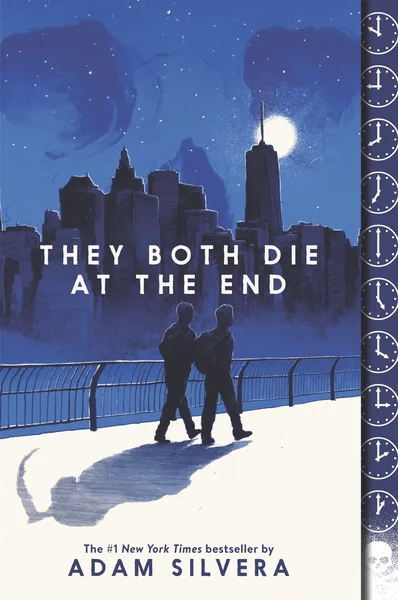
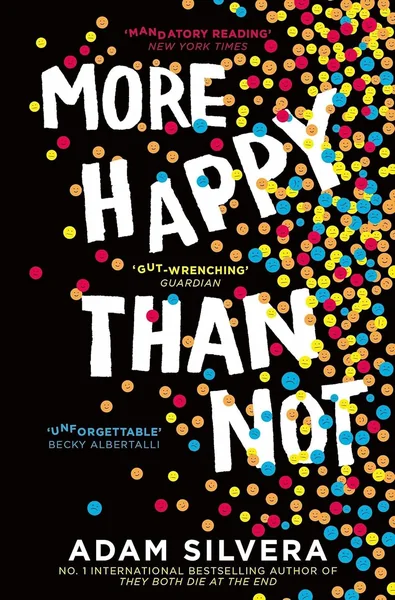
Adam Silvera is one of the defining voices in contemporary YA fiction. He is the #1 New York Times bestselling author of the original They Both Die at the End, The First to Die at the End, and No One Knows Who Dies at the End, as well as More Happy Than Not and History Is All You Left Me, among others. Booklist awarded the series a starred review, calling it "a remarkable achievement that begs to be embraced and savored," while critical coverage (also in a starred review) described Silvera as "one of the best storytellers of the modern era." Those assessments speak to the series' established literary reputation heading into this third volume.

What the Book Does Well

critical coverage calls The Survivor Wants to Die at the End "as suspenseful and emotionally wrenching as the previous titles in the series" — a meaningful benchmark given the emotional intensity those earlier books are known for. The thriller scaffolding, provided by the Death Guard subplot, gives the narrative external momentum while the internal character work — Paz's mental health journey, the fast-forming bond between the two protagonists — provides its emotional weight. The dual-protagonist structure, a hallmark of the series, continues here, and Silvera's choice to make both leads Puerto Rican adds specificity to the representation at the story's center. Critical coverage also notes that the book's cliffhanger ending "promises more to come," suggesting the installment functions as both a self-contained emotional experience and a propulsive entry in an ongoing saga.

Who This Book Is For — and Who Should Approach With Care

Kirkus categorizes the novel for readers aged 14 to 18, and the speculative fiction framework — Death-Cast as an institution, fate as a narrative engine — will appeal to fans already invested in Silvera's world-building. Readers who have followed Paz and Alano from earlier books in the series will find the deepest payoff here. However, the novel's frank treatment of suicidal ideation, self-harm, and borderline personality disorder means it is not a light or incidental read; those sensitive to these themes should consult the content warning included in the book. For readers who find meaning in fiction that takes mental health seriously without flinching, and who appreciate YA that pairs thriller pacing with genuine emotional delicacy, this installment delivers what the series has always promised.

Sources & Further Reading

The key facts and claims in this review are grounded in the retrieved, verified sources listed below.

  1. Cited in this review
  2. 1
  3. Further reading
  4. 2
    Adam Silvera — author profileHigh-authority source

    Adam Silvera, Wikipedia

  5. 3
  6. 4
  7. 5
  8. 6
  9. 7
  10. 8