Skip to content
Reviewed

Read Time

9 min read

Age & reading levelAges 15–18 · Young adult
Reader rating

4.6

· 1,631 Amazon ratings
reader ratings, not a LuvemBooks score
Curated & edited by

LuvemBooks Editorial

How we create our reviews →
Share This Review
Front cover of The Glass Girl

Our review

The Glass Girl

The Glass Girl by Kathleen Glasgow Review: A Raw, Compassionate YA Novel on Addiction

The Glass Girl is a New York Times bestseller from Kathleen Glasgow, published by Delacorte Press in October 2024, that follows fifteen-year-old Bella through alcoholism, crisis, and the difficult road of recovery — drawing wide praise from critics and fellow authors for its emotional honesty and lyrical craft.
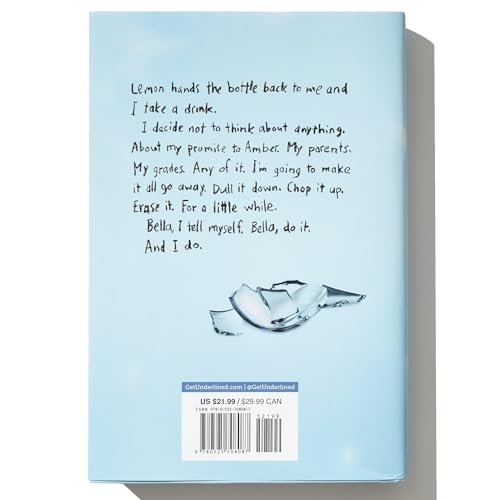
Back cover with handwritten text about refusing to suppress difficult thoughts, and a broken glass illustration.Front cover featuring a water glass with eyeglasses resting on the rim against a light blue background.Front cover featuring a light blue background with a glass of water and embossed title text.Tap to enlarge

LuvemBooks Verdict

Best for

Older teen and adult readers who want unflinching, literarily serious fiction about addiction and recovery — particularly fans of Kathleen Glasgow's Girl in Pieces, or anyone who appreciates character-driven YA that treats mental health and alcoholism with genuine depth and compassion.

Worth it if

Worth reading if you want fiction that portrays addiction and recovery with honest complexity — relapses, anxiety, grief, and all — and aren't looking for a tidy emotional resolution.

Skip if

Skip it if you're seeking lighter YA or are sensitive to frank depictions of alcoholism, self-harm, relapse, and death, as the novel does not soften or sidestep its difficult subject matter.

Kirkus Reviews calls it "a visceral, weighty read" and "an unflinching portrayal of the complexities of one teenager's journey through alcoholism and recovery," while Common Sense Media highlights it as a "gripping story of teen struggling with alcohol addiction" that follows Bella through a behavioural rehabilitation program. BookBrowse relays a Publishers Weekly starred review describing it as "combining The Bell Jar with Euphoria," and Booklist's starred review (cited across sources) praises Glasgow's gift for writing and recommends libraries stock multiple copies.

“An unflinching portrayal of the complexities of one teenager's journey through alcoholism and recovery — a visceral, weighty read.”

— Kirkus Reviews

“A gripping story of a teen struggling with alcohol addiction — things change for Bella the moment she enters a behavioural rehab program.”

— Common Sense Media
Sources: Kirkus Reviews, Common Sense Media, BookBrowse, Ripple Foundation Blog, Sobrief
4.6from 1,631 Amazon ratings— reader ratings, not a LuvemBooks score

Preview the book

Front cover of The Glass Girl
Back cover with handwritten text about refusing to suppress difficult thoughts, and a broken glass illustration.
Front cover featuring a water glass with eyeglasses resting on the rim against a light blue background.
Front cover featuring a light blue background with a glass of water and embossed title text.
Front cover with light blue cloth binding, embossed glass or window motif, and title text on spine.

Ask LuvemBooks

Was this helpful?

The Glass Girl follows fifteen-year-old Bella through alcoholism, a crisis point, and the grueling, non-linear road of recovery at an outdoorsy rehabilitation center — earning starred reviews from Booklist and Kirkus for its emotional honesty and lyrical craft. Kathleen Glasgow's novel is an unflinching, compassionate portrait of addiction and mental health that reaches beyond its YA demographic, with critics and fellow authors alike praising its refusal to soften or sentimentalize its subject. Readers seeking lighter YA fiction will want to weigh the book's frank treatment of relapse, self-harm, anxiety disorder, and death before diving in.
Is it worth reading?
For readers who want fiction that takes addiction and mental health seriously without sentimentalizing them, The Glass Girl is widely regarded as one of Kathleen Glasgow's strongest works. Booklist awarded it a starred review, writing that 'Glasgow's gift for writing is in full force here,' and recommended libraries purchase multiple copies — a meaningful signal of anticipated demand. Kirkus Reviews similarly praised its realistic nuance. The key caveat is the book's emotional weight: its unflinching treatment of alcoholism, relapse, anxiety disorder, self-harm, and death makes it a heavy read, best approached with awareness of its intensity.
Similar books
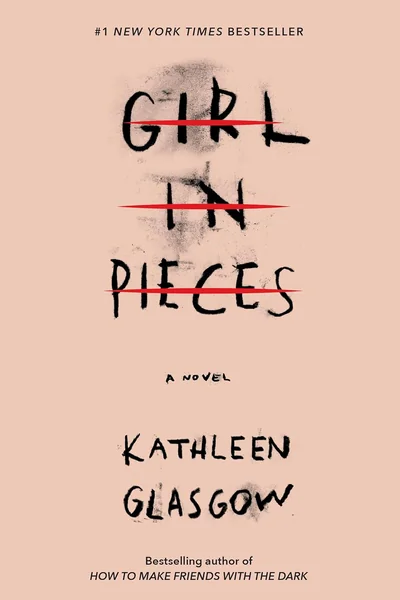
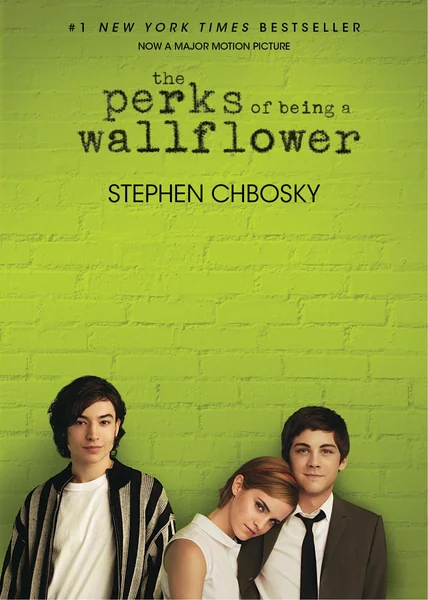
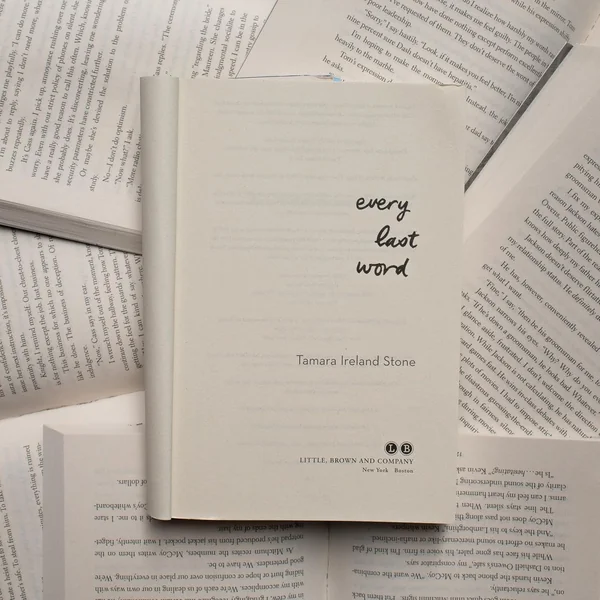
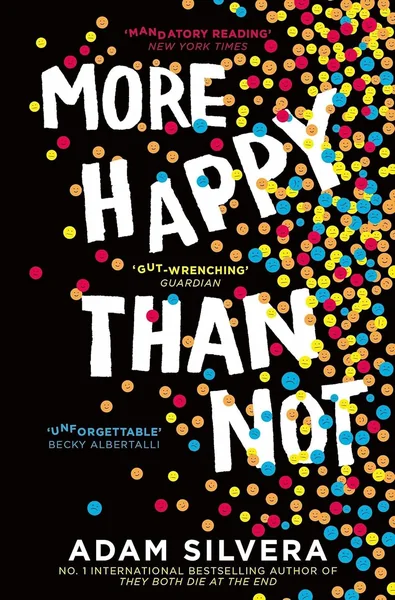
Readers drawn to The Glass Girl's unflinching approach to teenage pain and recovery will find strong companions in Glasgow's own Girl in Pieces, which established her reputation for exactly this kind of lyrical, emotionally rigorous YA. Stephen Chbosky's The Perks of Being a Wallflower similarly uses a teenager's interior life to explore trauma and mental health with literary seriousness. Tamara Ireland Stone's Every Last Word and Holly Bourne's Am I Normal Yet? both tackle adolescent mental health with honesty and compassion. Adam Silvera's More Happy Than Not and John Green's Looking for Alaska round out a shelf of literary YA that refuses to sentimentalize its subject matter.
Who should read this?
The Glass Girl is designed for readers — teen and adult alike — who want fiction that takes addiction and mental health seriously without softening or sentimentalizing them. Glasgow's established readership from Girl in Pieces will find familiar territory, and Booklist specifically recommends the novel for school and public library collections serving older teens. Blurbers and critics also make clear its relevance for adult readers, with Sloan Harlow noting that anyone who is 'a human being' has reason to read it.
What age is it for?
Best for ages 15 and up — the publisher lists a recommended reading age of 15 and up, which aligns with the novel's high school setting and fifteen-year-old protagonist Bella. The frank depictions of alcoholism, relapse, self-harm, and death make this a novel best suited to older, emotionally prepared teen readers rather than younger YA audiences. Parents and educators should be aware of these themes when recommending it.
About Kathleen Glasgow
Kathleen Glasgow is an American New York Times-bestselling author of young adult fiction, best known for her bestselling novel Girl in Pieces.
What are the main themes?
The Glass Girl's central themes are alcoholism, addiction, and recovery — explored through Bella's crisis and her time at a rehabilitation center. Surrounding those are closely interwoven themes of anxiety disorder, self-harm, relapse, and the emotional weight of growing up under pressures that push young women toward destructive coping. Kirkus Reviews specifically praises the novel for addressing all of these 'without false resolution,' and the publisher frames the book as a candid exploration of 'the forces pushing young women toward addiction — and what it really takes to help them get better.'
How does this compare to Girl in Pieces?
The Glass Girl and Girl in Pieces share the same core DNA: Glasgow's lyrical prose, her deep investment in the inner lives of young women in crisis, and her refusal to resolve suffering too cleanly. The Glass Girl is widely regarded as a meaningful continuation of the reputation Glasgow built with Girl in Pieces, and the critical reception — including starred reviews from Booklist and Kirkus — suggests it stands as one of her strongest works to date. Readers who found Girl in Pieces emotionally resonant will be on familiar, if no less demanding, ground.
Summarize this book

Summarize this book

The Glass Girl centers on Bella, a fifteen-year-old whose relationship with alcohol has quietly spiraled out of control. After blacking out at a Thanksgiving party and waking up in a hospital, she is sent by her mother to an outdoorsy rehabilitation center built around self-awareness and self-reliance. The novel follows Bella's interactions with fellow residents, her resistance and gradual openness, and the texture of daily life inside a program that offers no easy fixes — threading in relapses, anxiety disorder, self-harm, and death alongside the central arc of recovery. Publishers Weekly's starred review describes the novel as 'combining The Bell Jar with Euphoria,' situating it at the intersection of literary lineage and contemporary cultural moment.

Follow up

What is Bella like as a character?
What is the rehabilitation center like in the book?
Is the tone of the book dark or hopeful?

Synthesized from verified book data & published reviews · How we review

Ask LuvemBooks

What would you like to know about The Glass Girl?

Answers come from our editorial notes on this book. If we haven't covered something, we'll say so.

Readers often ask

Our Review

This review covers the book's content, premise and published critical reception, not a first-hand reading.

The Glass Girl is a novel about a teenager's descent into alcoholism and the hard-won process of recovery — reviewed here on the basis of its content, critical reception, and published sources, not hands-on reading.

What the Novel Is About

At the center of The Glass Girl is Bella, a fifteen-year-old whose relationship with alcohol has quietly spiraled out of control. The novel's turning point arrives when Bella gets blackout drunk at a Thanksgiving party and wakes up in a hospital — a moment that forces her and her family to confront a crisis that can no longer be minimized.
Her mother sends her to an outdoorsy rehabilitation center whose program is built around self-awareness and self-reliance. Glasgow structures the narrative around Bella's experiences there: her interactions with fellow residents, her resistance and gradual openness, and the texture of daily life inside a program that offers no easy fixes.
Reviewers note that the novel depicts Bella's journey "with realistic nuance; nothing comes easily," with Glasgow carefully threading in relapses, anxiety disorder, self-harm, and death alongside the central arc of recovery.

Glasgow's Place in YA Fiction

Glasgow is the critically acclaimed author of Girl in Pieces, and The Glass Girl arrives as a continuation of her established reputation for unflinching portrayals of teenage pain and resilience. The publisher, Penguin Random House, frames the book as "a candid exploration of the forces pushing young women toward addiction — and what it really takes to help them get better."
That positioning places The Glass Girl squarely in a tradition of serious, issue-driven YA literary fiction — books that treat adolescent suffering as worthy of the same artistic rigor applied to adult literary novels. Blurbers draw explicit comparisons: Publishers Weekly's starred review (as quoted in web sources) describes the novel as "combining The Bell Jar with Euphoria," situating it at the intersection of literary lineage and contemporary cultural moment.
Back cover with handwritten text about refusing to suppress difficult thoughts, and a broken glass illustration.

Critical Strengths: Lyricism and Emotional Truth

The reception that has accumulated around The Glass Girl centers consistently on two qualities: Glasgow's prose and her capacity for compassion. Booklist awarded the novel a starred review, with its critic writing that "Glasgow's gift for writing is in full force here" and recommending that libraries consider purchasing multiple copies — a commercially meaningful signal of anticipated demand.
Fellow authors have been equally vocal in the blurb record. Laura Nowlin, a New York Times bestselling author, calls it "a must-read" and credits Glasgow's "haunting lyricism and trademark ability to break your heart and remake it stronger."
Meredith Adamo, author of Not Like Other Girls, describes the novel as "deeply honest, wholly compassionate, and desperately needed," adding that she "fell hard for Bella, a girl torn between her brain and her heart who carries far too much on her own at just fifteen." This consistency of praise — across trade review outlets and peer authors alike — points to a book that is widely regarded as one of Glasgow's strongest works.
Front cover featuring a water glass with eyeglasses resting on the rim against a light blue background.

Subject Matter and Its Weight

Because The Glass Girl engages seriously with alcoholism, relapse, anxiety disorder, self-harm, and death, it is not a novel designed to soften its subject for comfort. One review's description of the book as "an unflinching portrayal of the complexities of one teenager's journey through alcoholism and recovery" signals that the narrative does not resolve its tensions quickly or cleanly.
Sloan Harlow, a New York Times bestselling author, frames this very directness as the book's value: "You don't have to be a teen or have struggled with alcohol to need this book. You just have to be a human being." That kind of endorsement speaks to a novel that reaches beyond its target demographic — though its publisher lists a recommended reading age of 15 and up, and the high school setting and protagonist's age make it most naturally a YA title.
Readers or parents seeking lighter or less issue-intensive fiction will want to weigh the book's frank subject matter against their expectations.
Front cover featuring a light blue background with a glass of water and embossed title text.

Who This Book Is For

The Glass Girl is designed for readers — teen and adult alike — who want fiction that takes addiction and mental health seriously without sentimentalizing them. Glasgow's established readership from Girl in Pieces will find familiar territory: the same investment in character interiority, the same refusal to make suffering tidy.
Booklist's recommendation that booksellers and librarians stock multiple copies suggests the novel is well-suited to school and public library collections serving older teens. For readers new to Glasgow, this novel functions as both a strong entry point and a demonstration of what has earned her a devoted following — a voice that, as Meredith Adamo puts it, possesses "an unparalleled ability to breathe humanity into her characters, to make us hurt and hope and heal alongside them."

Sources & Further Reading

The key facts and claims in this review are grounded in the retrieved, verified sources listed below.

  1. 1

    Kathleen Glasgow, LuvemBooks

  2. 2
  3. 3
  4. 4
  5. 5
  6. 6
  7. 7
  8. 8
  9. 9
  10. 10

    storylinks.booklinks.org.au

  11. 11
  12. 12

Age & Reading Level

Recommended age

Ages 15–18

Reading level

Young adult

Tropes

redemption arcfound family

From how readers and romance sites describe it, not our own reading.

Content to know about

alcoholism and addiction
relapse
self-harm
anxiety disorder
death of a character

Best for: Ages 15 and up — the publisher's recommended reading age, reflecting the novel's frank and sustained engagement with alcoholism, relapse, self-harm, and anxiety disorder in a high school-aged protagonist.

Skip if You're looking for lighter YA fiction or a recovery story with a tidy, hopeful resolution.

From our readers

Reader reviews

Be one of the first readers to answer.

Read it? Was it right for you?

Books like The Glass Girl

Curated picks for readers who enjoyed The Glass Girl, with our reasoning for each match.