At a glance

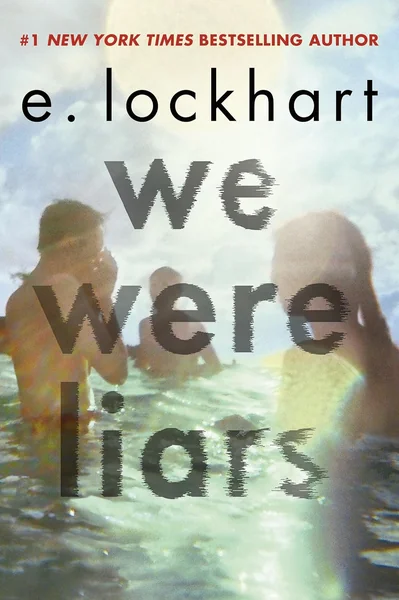
We Were Liars
by E. Lockhart
LuvemBooks Verdict
Best for: Readers aged roughly 14 and up who enjoy psychological mystery and morally complex family drama, and who are willing to surrender to an unreliable, fragmented narrator in exchange for a twist that reframes everything they've read.
Worth it? Skip it? Read the full verdict →Ask LuvemBooks
Was this helpful?
- Is it worth reading?
- For readers drawn to psychological mystery, morally complex family dynamics, and narratives that use form itself as a storytelling device, We Were Liars is one of the more carefully constructed entries in contemporary YA fiction. Kirkus Reviews awarded it a starred review and called it "riveting, brutal and beautifully told," and R.L. Stine described its central twist as "the most heartbreaking twist" he had ever encountered. The caveat is genuine: the novel is front-loaded with ambiguity, and Cadence's figurative narration requires patience before the payoff arrives — critics noted the ending is something Lockhart "just about manages to pull off," a qualified compliment that signals how much trust the book demands.
- Who should read this?
- We Were Liars is best suited to readers who enjoy psychological mystery, unreliable narrators, and fiction that uses narrative form as a deliberate storytelling device. The review singles out particular resonance for the older end of its 12–17 target range, given the novel's engagement with grief, class, complicity, and the violence of family mythology. Readers who prefer straightforward chronological narration may find Cadence's fragmented, figurative voice demanding — but those willing to sit with ambiguity will find a novel with uncommon thematic coherence and an ending of genuine emotional devastation.
- What age is it for?
- Best for ages 14 and up. While the novel is officially targeted at readers aged 12 to 17, the review notes particular resonance for the older end of that range — its themes of grief, class, complicity, and family trauma, combined with Cadence's narration of chronic pain and Percocet dependency, suit a more mature teen reader. Younger readers within the 12–17 window may find the fragmented, figurative narration and morally weighted ending harder to process.
- Similar books
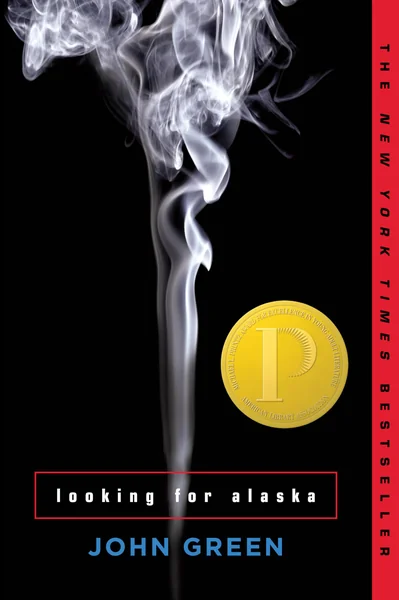
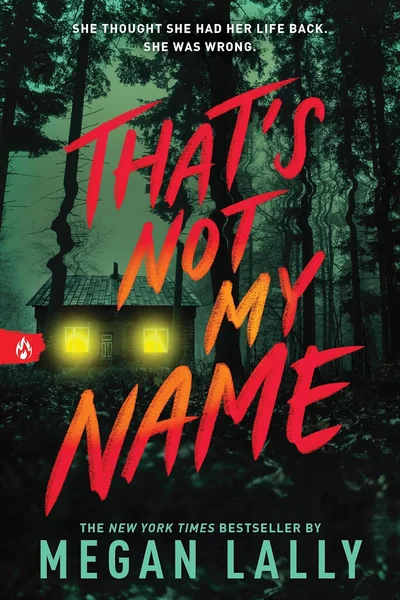
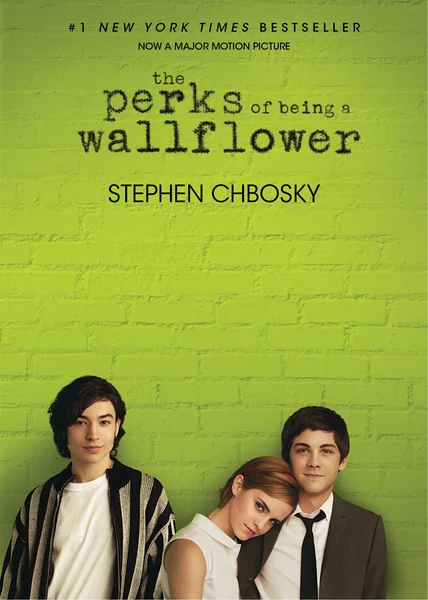
- Readers who respond to We Were Liars' combination of psychological mystery, unreliable narration, and emotionally weighted reveals will find strong matches among the curated selections below. John Green's Looking for Alaska shares the boarding-school insularity, grief, and the experience of reconstructing a catastrophic event from incomplete memory. Stephen Chbosky's The Perks of Being a Wallflower similarly deploys a fragmented, emotionally raw narrator navigating family trauma and the weight of things left unsaid. Megan Lally's That's Not My Name offers another twist-driven narrative built around a protagonist who cannot fully trust her own memory — a direct parallel to Cadence's situation. For those interested in other E. Lockhart titles, Genuine Fraud and The Disreputable History of Frankie Landau-Banks (neither currently in the LuvemBooks catalogue) showcase her recurring interest in unreliable, self-constructed female protagonists.
- About E. Lockhart
- Emily Jenkins, who sometimes uses the pen name E. Lockhart, is an American writer of children's picture books, young adult novels, and adult fiction.
- Tell me about the adaptation
- Television adaptation rights to We Were Liars were acquired by Julie Plec's My So-Called Company and Universal Television, with Plec set to adapt both We Were Liars and its prequel, Family of Liars, for the screen. Julie Plec is best known as a television producer and showrunner, and the project speaks to the novel's sustained cultural traction more than a decade after its 2014 publication. Specific release dates for the adaptation have not been confirmed in available sources.
- What are the main themes?
- We Were Liars is organised around grief, class, complicity, and the violence of family mythology — themes the review describes as giving the novel particular resonance for older teen readers. Amnesia functions throughout as a razor-sharp metaphor for the Sinclair family's collective refusal to confront reality, and the fairy-tale structure frames the entire narrative around the consequences of one's mistakes. Cadence's chronic pain and Percocet dependency also thread through the novel as a lens on how suffering distorts personality and perception.
Summarize this book
Follow up
Synthesized from verified book data & published reviews · How we review
Press Enter to ask. Answers come from our editorial Q&A — start typing to see related questions.
Age & Reading Level
Recommended age
Ages 12–18
Reading level
Young adult
3 content notes · who it suits
Content to know about
Best for: Ages 14+ — the novel's morally complex ending, themes of grief and complicity, and narration shaped by chronic pain and Percocet dependency suit confident older teen readers rather than younger audiences within the 12–17 range.
Skip if you prefer straightforward chronological narration and want a payoff that doesn't require sustained patience with ambiguity.
Editorial Review
E. Lockhart's We Were Liars is a critically acclaimed 2014 young-adult novel built around the wealthy, seemingly perfect Sinclair family and a summer that Cadence Sinclair Eastman cannot remember.…
Read the Full ReviewBooks like We Were Liars
Curated picks for readers who enjoyed We Were Liars, with our reasoning for each match.
If you liked We Were Liars