At a glance
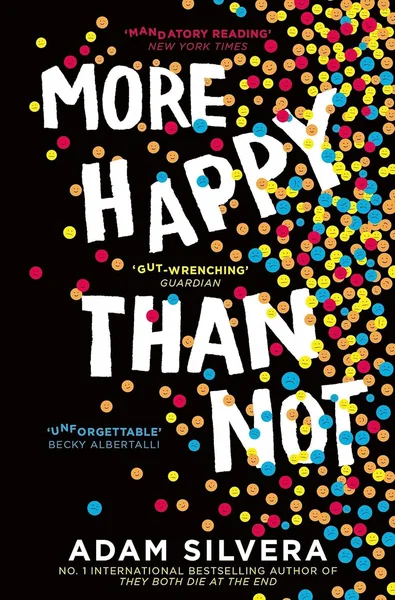
More Happy Than Not
by Adam Silvera
LuvemBooks Verdict
Best for: Readers drawn to intersectional YA — particularly those who want Bronx working-class life, Latinx identity, queerness, and mental health addressed within a single, structurally ambitious narrative — and anyone seeking a foundational text in contemporary LGBTQ+ YA fiction.
Worth it? Skip it? Read the full verdict →Ask LuvemBooks
Was this helpful?
- Is it worth reading?
- More Happy Than Not is widely recognized as a landmark in contemporary LGBTQ+ YA — a near-sweep of major trade starred reviews (Kirkus, Publishers Weekly, School Library Journal, Booklist, and Shelf Awareness), a New York Times Editors' Choice, and a place on TIME Magazine's 100 Best YA Books of All Time speak to its sustained critical stature. Its structural ambition — a twist that recontextualizes the entire narrative — is paired with an emotionally grounded Bronx setting and a Leteo Institute premise that functions as genuine metaphor rather than genre gimmick. The key caveat is that the novel's unflinching accumulation of trauma (suicide, anti-gay violence, parental rejection) and a genre pivot from naturalistic realism to speculative fiction make it a demanding read. Readers who want intersectional storytelling where queerness, Latinx identity, class, and mental health are woven together as a matter of design will find it essential.
- Similar books
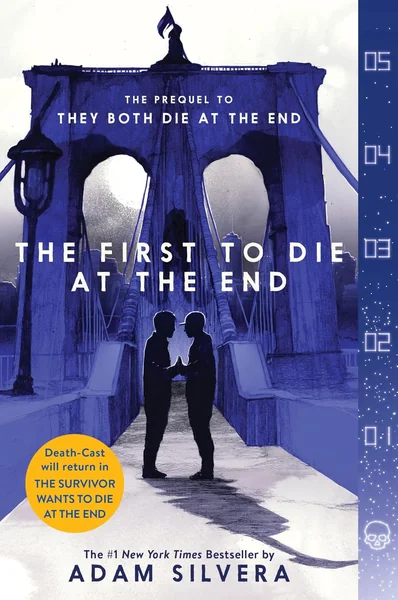
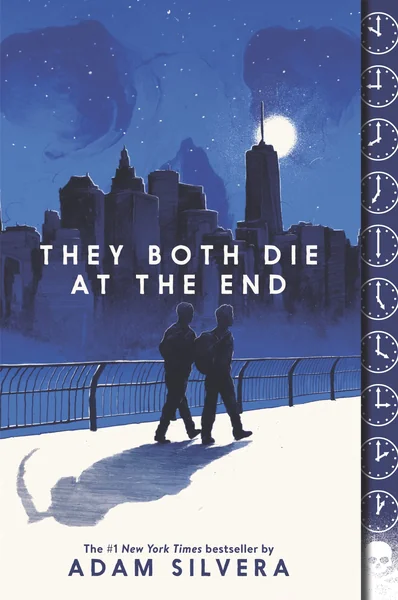
- Readers who connect with More Happy Than Not will likely gravitate to other emotionally intense YA titles. Adam Silvera's own They Both Die at the End shares the same unflinching emotional stakes and a speculative premise used to interrogate mortality and human connection. Kathleen Glasgow's Girl in Pieces is another raw, trauma-forward YA novel that handles mental health and self-harm with similar seriousness of purpose. E. Lockhart's We Were Liars offers the same kind of structurally audacious twist that recontextualizes everything preceding it, while John Green's The Fault in Our Stars brings comparable emotional devastation to a coming-of-age story about love and loss.
- Who should read this?
- More Happy Than Not is designed for readers who want speculative conceits to carry genuine emotional and political weight — the Leteo Institute is a metaphor for internalized homophobia, not a thriller device. Readers drawn to intersectional storytelling, where Bronx working-class life, Latinx identity, queerness, and mental health are addressed within a single narrative, will find that complexity handled as a matter of design. It is considered a foundational text in contemporary LGBTQ+ YA and an essential entry point into Adam Silvera's body of work. Readers who need lighter fare or who are sensitive to graphic depictions of suicide, anti-gay violence, and parental rejection should approach with care.
- What age is it for?
- Best for ages 14 and up. More Happy Than Not is a YA novel, but its unflinching content — including an on-page suicide attempt, anti-gay violence, and parental rejection — makes it more appropriate for older teens and mature readers than for younger YA audiences. Parents and educators should be aware that these themes are rendered without softening, as the novel's emotional power depends on that honesty.
- About Adam Silvera
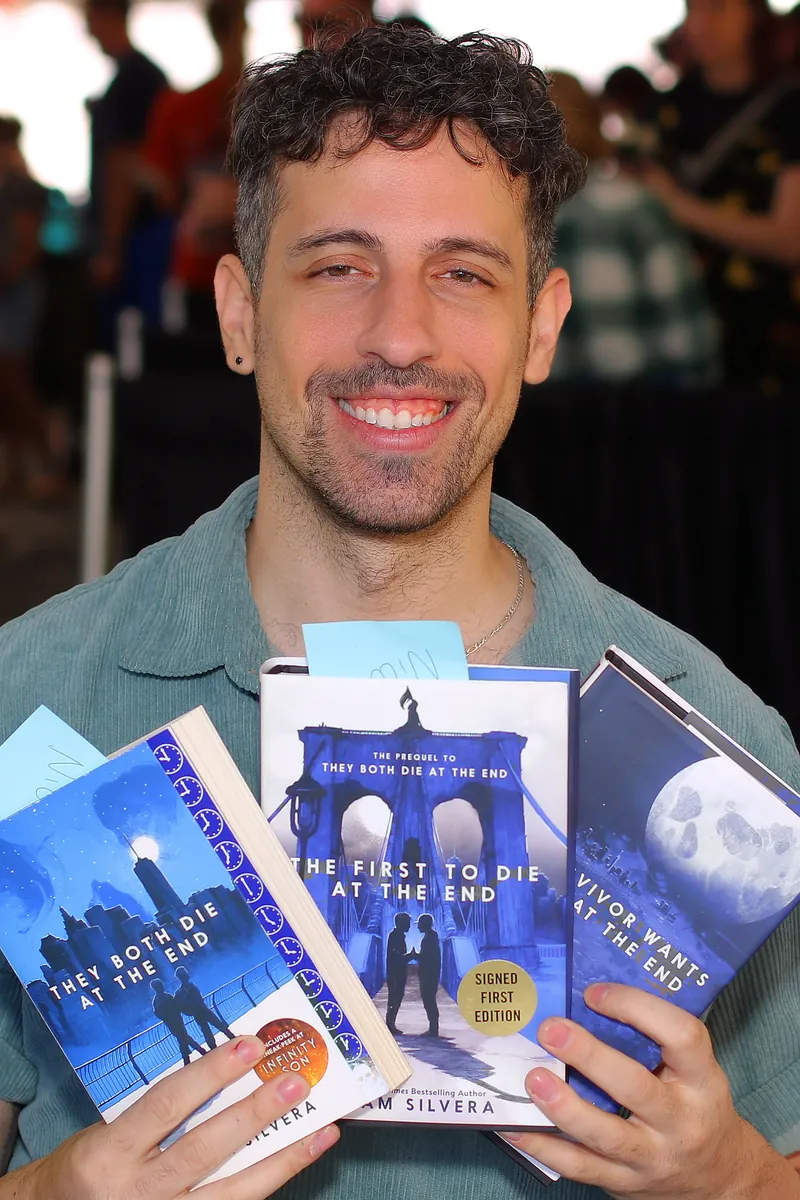
- Since bursting onto the YA scene in 2015 with More Happy Than Not, #1 New York Times bestselling author Adam Silvera has become one of young adult literature's most emotionally resonant voices.
- What are the main themes?
- More Happy Than Not is built around several interlocking themes: the internalized pressure to erase one's own identity (literalized through the Leteo Institute's memory-erasure procedure), the 'heavy weight and constructive value of traumatic memory,' and the intersection of queer identity with class, community, and violence. The Bronx setting is woven into questions of belonging and the specific social dynamics that shape Aaron's experience of rejection. Critics also noted Silvera's handling of class politics alongside sexual identity — the novel treats these as inseparable rather than parallel concerns.
- How does it compare to They Both Die at the End?
- Both novels use a speculative premise — memory erasure in More Happy Than Not, foreknowledge of death in They Both Die at the End — to explore emotional and existential questions rather than as conventional genre devices. More Happy Than Not, as Silvera's debut, is generally considered more relentless in its accumulation of trauma and more structurally dense, moving quickly through grief, sexual identity, friendship betrayal, class, and a sci-fi twist. They Both Die at the End is seen by some readers as tonally more accessible, though equally devastating emotionally. More Happy Than Not is the essential entry point into Silvera's body of work.
Summarize this book
Follow up
Synthesized from verified book data & published reviews · How we review
Press Enter to ask. Answers come from our editorial Q&A — start typing to see related questions.
Age & Reading Level
Recommended age
Ages 12–18
Reading level
Young adult
5 content notes · who it suits
Content to know about
Best for: Ages 14+ — frank depictions of suicide, anti-gay violence, and parental rejection suit older teens and mature readers rather than younger YA audiences.
Skip if you're looking for a light or hopeful coming-of-age story — this novel is relentless in its accumulation of trauma.
Editorial Review
Adam Silvera's debut novel, More Happy Than Not, is a New York Times bestseller that follows sixteen-year-old Aaron Soto through grief, emerging queer identity, and the seductive but devastating promise of a memory-erasure procedure in a near-future Bronx — a book that earned starred reviews from Kirkus, Publishers Weekly, School Library Journal, Booklist, and Shelf Awareness, and a place on TIME Magazine's 100 Best YA Books of All Time.
Read the Full ReviewBooks like More Happy Than Not
Curated picks for readers who enjoyed More Happy Than Not, with our reasoning for each match.
If you liked More Happy Than Not