
At a glance
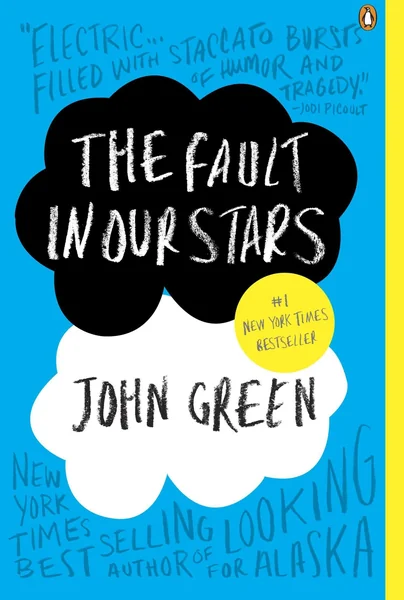
The Fault in Our Stars
by John Green
LuvemBooks Verdict
Best for: Readers aged 14 and up — and well beyond — who want a love story that takes mortality seriously, written with sharp wit and genuine literary intelligence rather than sentimental softening.
Worth it? Skip it? Read the full verdict →Ask LuvemBooks
Was this helpful?
- Is it worth reading?
- For readers willing to sit with a story that is simultaneously a love story, a meditation on mortality, and a piece of sharp literary comedy, The Fault in Our Stars is widely regarded as essential contemporary YA fiction. Frank Bruni in The New York Times praised its 'finely wrought language, beautifully drawn characters and a distinctive voice,' and Jodi Picoult called it 'an electric portrait of young people who learn to live life with one foot in the grave.' The key caveat is the ending: it is deliberately unresolved in the fairy-tale sense, which is the point — but readers seeking consolation as the final word will find something more demanding instead. Those who can accept that a finite story can still be fully told and fully felt will find it among the most emotionally complete novels in its genre.
- Similar books
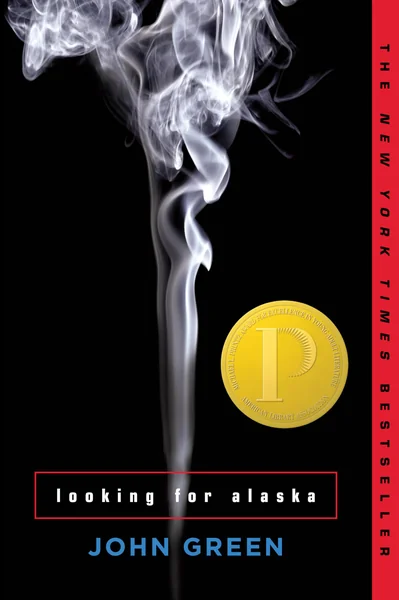
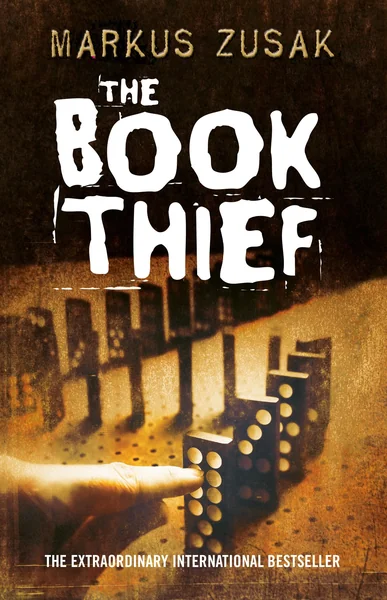
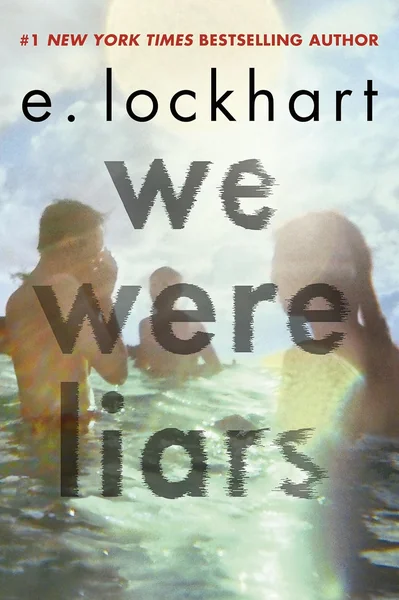
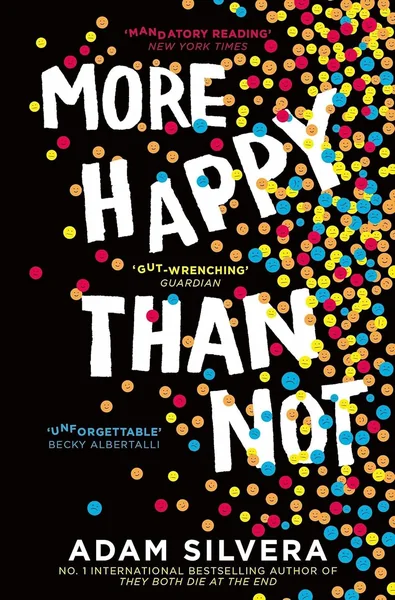
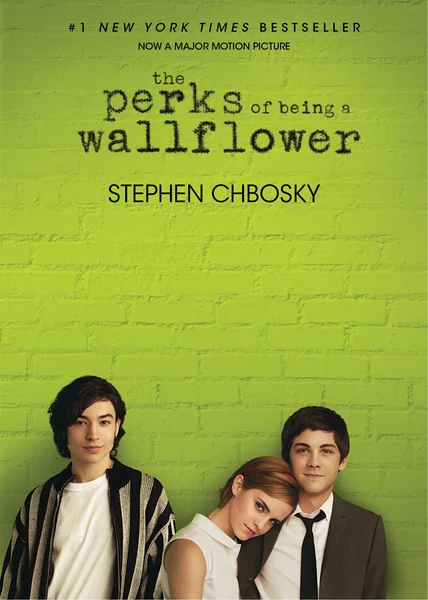
- Readers who responded to The Fault in Our Stars' blend of teenage voice, emotional weight, and literary self-awareness have strong options across contemporary YA. John Green's own Looking for Alaska covers similar thematic ground — young people confronting mortality and the aftermath of loss — and is a natural next read. Markus Zusak's The Book Thief shares the novel's combination of finely crafted prose, dark subject matter, and unexpected humor. Stephen Chbosky's The Perks of Being a Wallflower and E. Lockhart's We Were Liars both deliver the emotionally intense, unreliable-narrator experience that Green's readers tend to seek out. Adam Silvera's More Happy Than Not and Angie Thomas's The Hate U Give round out the selection with YA that takes its teenage protagonists seriously as thinkers navigating genuinely high stakes.
- Who should read this?
- The Fault in Our Stars is designed for anyone willing to sit with a story that is simultaneously a love story, a meditation on mortality, and a piece of sharp literary comedy — and who can accept that those things are not in conflict. The Penguin Books edition targets readers aged 14–17, but the novel's readership extends well beyond that range; its central questions about love, time, and what a short life is worth have connected with readers across languages and cultures. It is particularly well suited to readers who respond to narrators with a strong, self-aware voice — Hazel's acerbic interiority is the engine of the book. Readers who prefer emotionally protective or resolution-oriented fiction are likely to find the ending genuinely painful rather than cathartic.
- What age is it for?
- Best for ages 14 and up. The Penguin Books reprint edition targets readers aged 14–17, a range the review endorses with one important note: at the lower end of that bracket, it is worth knowing that the novel does not offer consolation as its final word — it stays faithful to the realities of terminal illness and withholds the resolution readers spend the book hoping for, which can be a genuinely hard experience for younger or more emotionally sensitive readers. The novel's wit and philosophical register also assume a reader comfortable with a precocious, self-aware narrative voice.
- About John Green
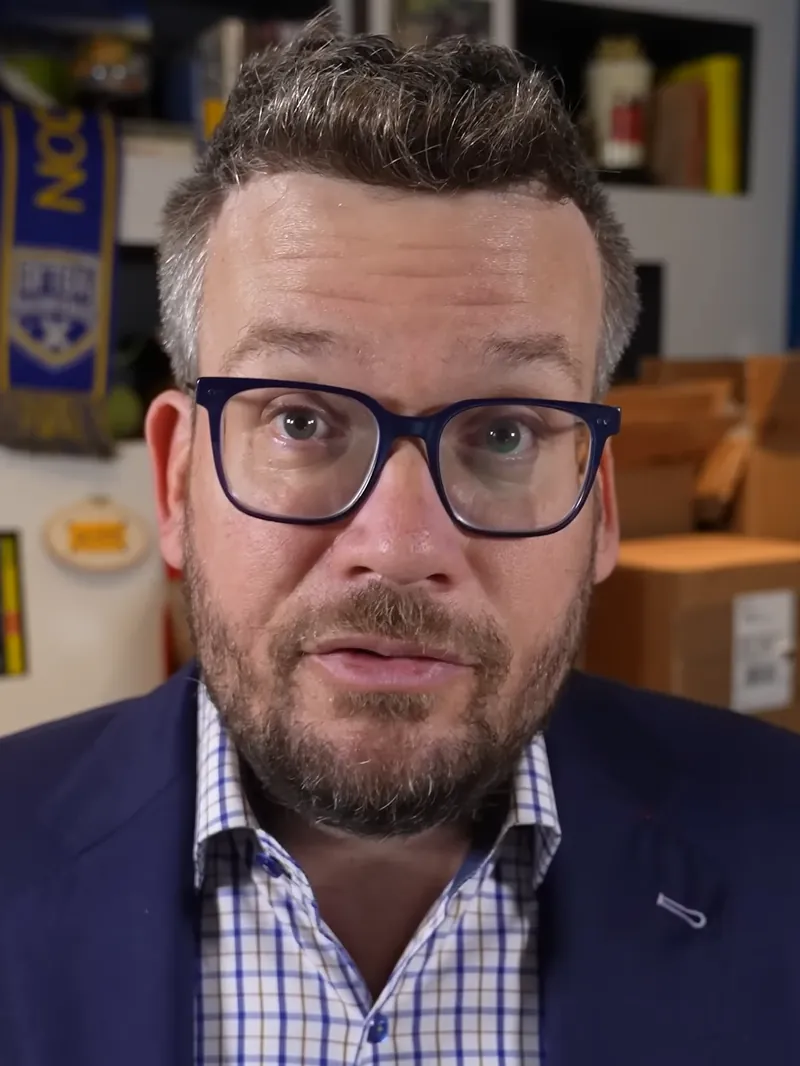
- John Michael Green is an American author and YouTuber.
- Tell me about the adaptation
- The Fault in Our Stars was adapted into a major American feature film in 2014, directed by Josh Boone and starring Shailene Woodley as Hazel Grace Lancaster and Ansel Elgort as Augustus Waters. A second adaptation, the Hindi-language film Dil Bechara, followed in 2020. Readers coming to the novel through the 2014 film will find a source text with considerably more room for Hazel's interiority and for the literary subplot surrounding An Imperial Affliction — the novel's first-person narration offers a depth of voice that the screen adaptation cannot fully replicate. The breadth of the story's adaptation across languages and cultures reflects how thoroughly its central questions transcend both the YA label and its original English-language context.
- Why is this book trending?
- More than a decade after its 2012 debut, The Fault in Our Stars is back on readers' radar in what appears to be a wave driven by nostalgia, new younger readers discovering it for the first time, and the enduring emotional force of the story itself. John Green's beloved YA tearjerker has a history of resurgent readership, and the current moment is no exception — people are talking about it again right now.
Summarize this book
Follow up
Synthesized from verified book data & published reviews · How we review
Press Enter to ask. Answers come from our editorial Q&A — start typing to see related questions.
Age & Reading Level
Recommended age
Ages 12–18
Reading level
Young adult
2 content notes · who it suits
Content to know about
Best for: Ages 14+ — the novel's sustained engagement with terminal illness, mortality, and a deliberately unresolved ending suits readers mature enough to process grief without a comforting resolution.
Skip if you need a story that offers hope or resolution as its final emotional note.
Editorial Review
Originally published on January 10, 2012, and later reissued in a Penguin Books paperback edition, The Fault in Our Stars is John Green's fourth solo novel — a young adult love story between two teenagers living under the shadow of cancer that became one of the best-selling books of all time and cemented Green's place at the top of contemporary YA fiction.
Read the Full ReviewBooks like The Fault in Our Stars
Curated picks for readers who enjoyed The Fault in Our Stars, with our reasoning for each match.
If you liked The Fault in Our Stars
Why It’s Trending
The Fault in Our Stars Is Back in Readers' Hands — Here's Why
John Green's iconic YA tearjerker is getting fresh attention right now, likely fueled by renewed interest in Green himself and ongoing conversations about the book's legacy. It's one of those stories that never really goes away — and right now, people are clearly picking it back up.