Plot shift from earlier series books
Silvera explains that unlike previous installments spanning 24 hours, this story takes place over a week. It follows a boy hoping for a call from Death-Cast and the empire's heir who tries to save him.

9 min read
4.6
· 733 Amazon ratings
Our review
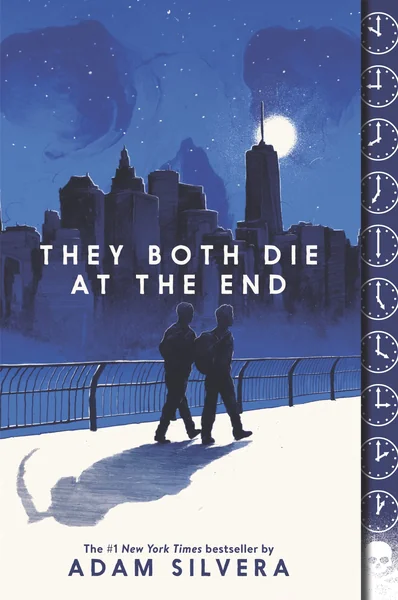
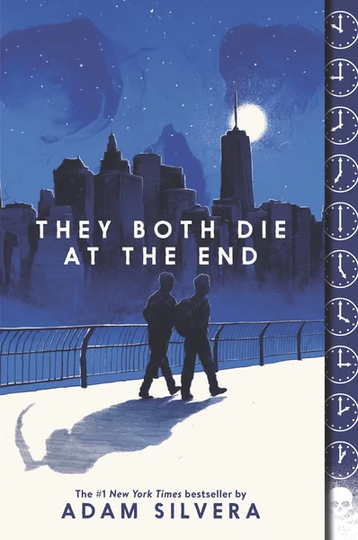
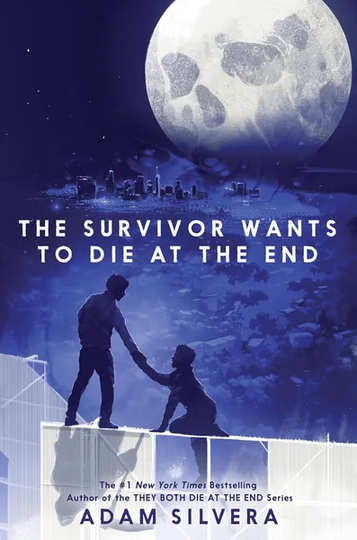
The Survivor Wants to Die at the End is the third installment in Adam Silvera's #1 New York Times and USA Today bestselling They Both Die at the End series — a YA speculative fiction series built around Death-Cast, a service that notifies people on the last day of their lives. This volume centers on two Puerto Rican teens, Paz Dario and Alano, who are brought together by fate and must navigate mental health crises, a violent organization, and each other, in a story that reviewers describe as "raw, delicate, and deeply caring." This review is based on the book's contents as described by its publisher and published critical sources, not hands-on reading.
Best for
Devoted fans of Adam Silvera's They Both Die at the End series — particularly readers aged 14–18 who are drawn to YA that pairs speculative thriller momentum with unflinching, carefully handled explorations of mental health, grief, and identity.
Worth it if
Worth reading if you've followed the series and want a continuation that maintains its emotional intensity, appreciate dual-protagonist YA with meaningful Puerto Rican representation, and are prepared for frank but responsible treatment of suicidal ideation, self-harm, and borderline personality disorder.
Skip if
Skip it — or approach with serious caution — if you're sensitive to depictions of suicide, self-harm, or abuse, or if you're new to the series and looking for a standalone thriller with a fully resolved ending, as the cliffhanger conclusion assumes prior investment and leaves threads open.
What readers & critics say
Kirkus Reviews calls the novel "as suspenseful and emotionally wrenching as the previous titles in the series — raw, delicate, and deeply caring," while reviewers describe it as "a remarkable achievement that begs to be embraced and savored," and call Silvera "one of the best storytellers of the modern era" — all as relayed via unabridgedbookstore.com and amazon.ca. Bookishelf.com characterises the novel as "a deeply introspective, raw, and timely exploration of survival, grief, identity, and chosen hope" that "doesn't flinch from darkness."
“As suspenseful and emotionally wrenching as the previous titles in the series. Raw, delicate, and deeply caring.”
— Kirkus ReviewsBook 3 of 3 books + 1 announced
Was this helpful?
Summarize this book
Follow up
Synthesized from verified book data & published reviews · How we review
Press Enter to ask. Answers come from our editorial Q&A — start typing to see related questions.
The key facts and claims in this review are grounded in the retrieved, verified sources listed below.
thestorysanctuary.com
Adam Silvera, Wikipedia
kirkusreviews.com
booksamillion.com
Recommended age
Ages 12–18
Reading level
Young adult
Tropes
From how readers and romance sites describe it, not our own reading.
5 content notes · who it suits
Content to know about
Best for: Ages 14+ — frank depictions of suicidal ideation, self-harm, abuse, and borderline personality disorder require emotional readiness beyond early YA; Kirkus categorizes the novel for readers aged 14 to 18.
Skip if you're looking for a light or escapist read and are sensitive to frank depictions of suicide, self-harm, or mental illness.
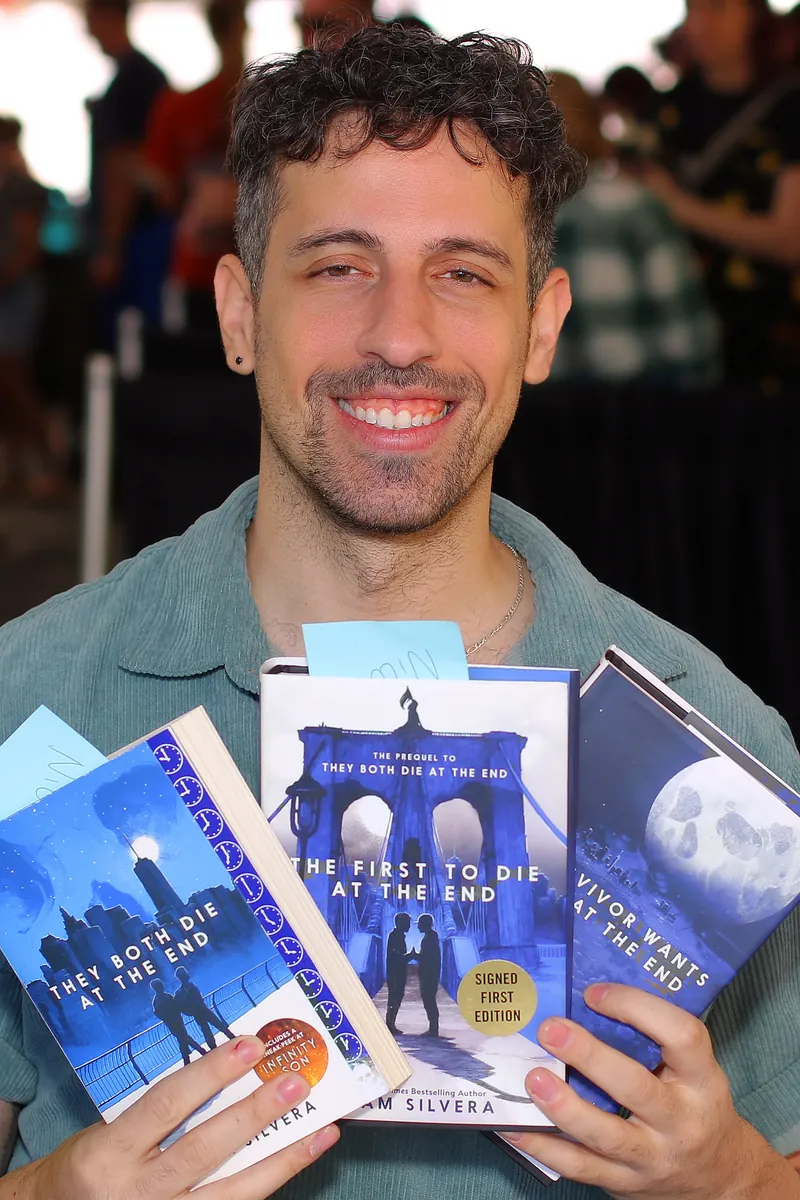
Adam Silvera discusses 'The Survivor Wants to Die at the End', detailing its characters, premise, and place in the Death-Cast universe.
Uploaded by Headliner Chicago, 2025 · Watch on YouTube
Silvera explains that unlike previous installments spanning 24 hours, this story takes place over a week. It follows a boy hoping for a call from Death-Cast and the empire's heir who tries to save him.
Silvera notes that Alano experiences heavy parental pressure and seeks to determine his own path rather than living a predetermined life.
Be one of the first readers to answer.
Read it? Was it right for you?
No reader reviews yet
Read it? Be the first to say what you thought.
Curated picks for readers who enjoyed The Survivor Wants to Die at the End, with our reasoning for each match.
If you liked The Survivor Wants to Die at the End