BOOKS
Published

Read Time

8 min read

Reader rating

4.6

· 2,832 Amazon ratings
reader ratings, not a LuvemBooks score
Curated & edited by

LuvemBooks Editorial

How we create our reviews →
Share This Review

The First to Die at the End by Adam Silvera Review: A Gripping, Emotionally Charged YA Prequel

Adam Silvera's The First to Die at the End is a speculative YA fiction prequel to his celebrated They Both Die at the End, set against the chaotic nationwide launch of Death-Cast — a company that notifies subscribers they have 24 hours left to live. A New York Times bestseller, it centers on the fateful collision of Orion Pagan and Valentino Prince in Times Square, weaving grief, romance, and social upheaval into what Kirkus Reviews calls "a rush of emotion and suspense."

LuvemBooks Verdict

Best for

Fans of Adam Silvera's They Both Die at the End — particularly readers aged 13–18 who want the origin story of Death-Cast told through emotionally raw, LGBTQ+ centred characters and a largely Latine ensemble cast.

Worth it if

You're drawn to high-concept YA that pairs a speculative premise with genuinely weighty themes — grief, family rupture, mortality, and faith — and appreciate an author who deliberately refuses to punish queer characters with tragic endings.

Skip if

You're coming straight from They Both Die at the End hoping to recapture its singular first-encounter magic, or you find uneven protagonist balance frustrating — Kirkus Reviews flags Valentino as the less fully realised of the two leads.

Kirkus Reviews awarded the novel its "Get It" verdict, praising it as "a rush of emotion and suspense" and noting that it confronts heavy topics with complexity and care while deliberately subverting the trope of punishing gay characters with violent tragedy. NPR reported strong commercial momentum for the book at launch, contextualising it within the word-of-mouth, TikTok-driven phenomenon that made its predecessor a sustained bestseller.

A rush of emotion and suspense — confronts heavy topics with complexity and care.

Kirkus Reviews

Silvera's fans love how sad his books are — they record TikTok videos of themselves weeping over his tragic endings.

NPR
Sources: Kirkus Reviews, NPR
4.6from 2,832 Amazon ratings— reader ratings, not a LuvemBooks score
In This Review
  • What Works & What Doesn't
  • What the Book Is and What It Does
  • Significance and Place in the Series
  • What Silvera Does Well
  • Limitations and Who May Be Frustrated
  • Who This Book Is For

What Works & What Doesn't

What Works
  • A New York Times bestseller awarded a 'Get It' verdict by Kirkus Reviews, confirming strong critical reception
  • Intricately interconnected ensemble of perspectives builds the Death-Cast world beyond its two leads
  • Deliberately subverts the trope of punishing gay characters with violent tragedy, per Kirkus Reviews
  • Heavy themes — grief, abuse, religious faith — handled with complexity and care according to Kirkus Reviews
  • Designed to function as a standalone entry point, not requiring prior knowledge of They Both Die at the End
What Doesn't
  • Kirkus Reviews notes the audiobook adaptation 'lacks its predecessor's novelty and magic,' a dynamic some readers may feel in the text itself
  • Valentino reads as a less fully realized protagonist than Orion, a character imbalance flagged by Kirkus Reviews
A gripping prequel that expands the Death-Cast world with emotional ambition, though some readers may find it a step removed from the original's singular spark.

What the Book Is and What It Does

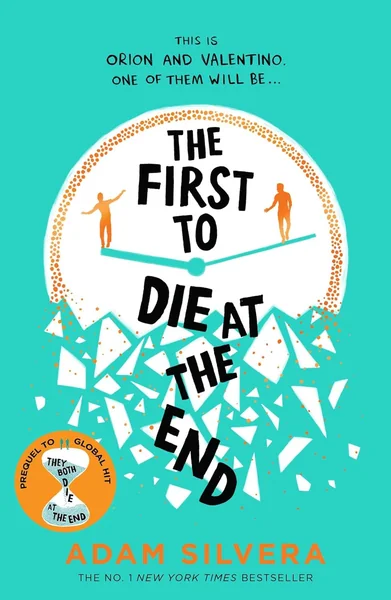
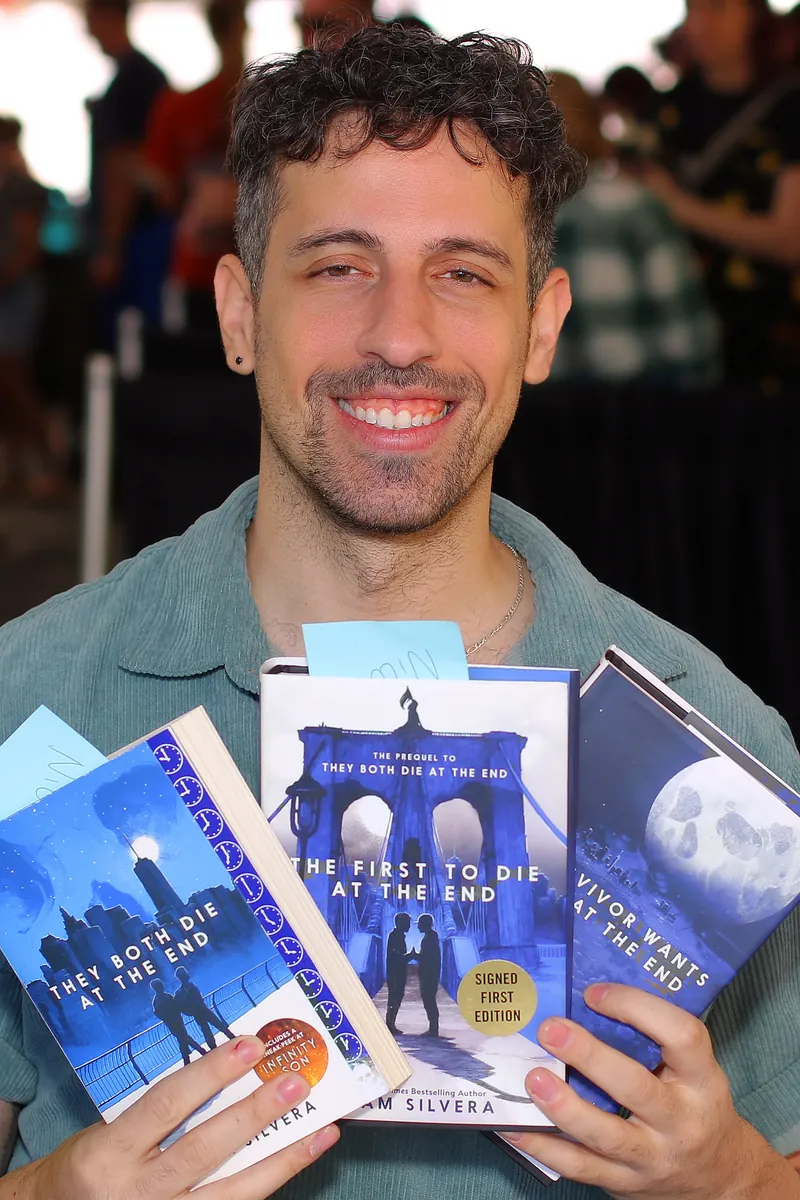
The First to Die at the End: TikTok made me buy it! The prequel to THEY BOTH DIE AT THE END by Adam Silvera front cover
The First to Die at the End is a speculative young adult novel set on the eve of Death-Cast's public debut — the moment a company promising to predict the deaths of its subscribers goes live across the United States. Into this historic, chaotic night, Silvera places two protagonists whose lives collide at a Times Square party: Orion Pagan, an aspiring author with a serious heart condition who grew up orphaned after 9/11 and has long known his time is limited, and Valentino Prince, a model on the cusp of a national career debut who has fled Arizona and his homophobic parents to build a new life. When a single, history-making phone call reaches one of them, their story — and the world — changes irrevocably. The novel tracks the final day of the very first "Decker" (Death-Cast's term for someone who will die within 24 hours) alongside the nationwide disruption of Death-Cast's premiere, a dual narrative that operates on both intimate and societal scales.
lacks its predecessor's novelty and magic.

Significance and Place in the Series

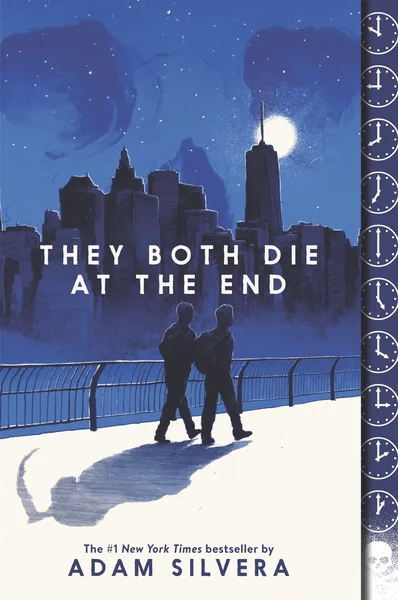
Originally published on October 4, 2022, by Quill Tree Books/HarperCollins, the novel arrived as a long-anticipated return to the world Silvera built in They Both Die at the End. It is the second book in a three-book series tied to that universe. As a New York Times bestseller, it reached a wide readership drawn to Silvera's signature blend of high-concept speculative premises and emotionally raw character work. Kirkus Reviews awarded it a "Get It" verdict, underscoring its reception as a worthwhile entry in YA speculative fiction. The book is designed to function for readers new to the series — familiarity with the original provides added depth and context, but is not a prerequisite for following the plot.

What Silvera Does Well

Silvera structures the novel around a web of intricately interconnected character perspectives, building outward from Orion and Valentino to a broader ensemble caught up in Death-Cast's launch night. Kirkus Reviews notes that the story confronts heavy topics — grief, abuse, and religious faith — "with complexity and care," a balance that is central to Silvera's approach throughout. The novel's handling of its central romance is notably purposeful: despite the built-in expectation that a fatal outcome awaits, Silvera deliberately subverts the trope of punishing gay characters with violent tragedy, a creative decision that Kirkus Reviews specifically highlights. The cast is largely Latine, including Orion, whose family is Puerto Rican and who is described as White-passing — a degree of specificity in representation that runs through the character construction rather than sitting at the surface level.

Limitations and Who May Be Frustrated

The prequel's relationship to its predecessor is a double-edged quality. While the book is built to stand alone, readers who come to it directly after They Both Die at the End may sense what Kirkus Reviews observed of the audiobook adaptation: that the story "lacks its predecessor's novelty and magic." The original's central conceit — Death-Cast as a concept encountered for the first time — carries an inherent freshness that a prequel, by definition, cannot replicate. Kirkus's review of the audio version also notes that Valentino, as written, registers as "rather bland" compared to the more vividly drawn Orion, a character imbalance that some readers may notice regardless of format. Readers seeking a completely self-contained story, rather than one that rewards knowledge of the broader series, may find the experience richer if they approach the original first.

Who This Book Is For

Aimed at readers aged 13 to 18, The First to Die at the End is designed for an audience comfortable with emotionally weighty themes — loss, family rupture, mortality, identity, and faith — set within a speculative premise that gives those themes an urgent, high-stakes frame. Fans of Silvera's earlier work will find the expanded Death-Cast mythology and the origin story of a world-altering technology rewarding. Readers drawn to YA fiction that centers Latine characters and engages seriously with LGBTQ+ experiences without resorting to tragedy as a default will find the novel's intent clearly reflected in its design. For those new to the series, the novel is structured to work as an entry point, though the full emotional payoff of the world-building lands deepest for those who know what Death-Cast eventually becomes.

Sources & Further Reading

The key facts and claims in this review are grounded in the retrieved, verified sources listed below.

  1. Cited in this review
  2. 1
  3. 2
  4. 3
  5. Further reading
  6. 4
    Adam Silvera — author profileHigh-authority source

    Adam Silvera, Wikipedia

  7. 5
  8. 6
  9. 7
  10. 8
  11. 9