At a glance
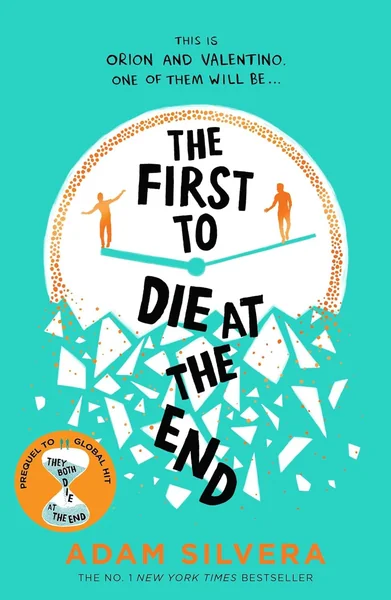
The First to Die at the End Prequel
by Adam Silvera
LuvemBooks Verdict
Best for: Fans of Adam Silvera's They Both Die at the End — particularly readers aged 13–18 who want the origin story of Death-Cast told through emotionally raw, LGBTQ+ centred characters and a largely Latine ensemble cast.
Worth it? Skip it? Read the full verdict →Ask LuvemBooks
Was this helpful?
- Is it worth reading?
- For fans of emotionally raw YA speculative fiction, The First to Die at the End earns its Kirkus Reviews 'Get It' verdict and New York Times bestseller status by expanding the Death-Cast world through an intricately interconnected ensemble while handling grief, abuse, and religious faith with genuine complexity. Orion Pagan in particular is a vividly drawn protagonist, and the novel's deliberate subversion of the 'bury your gays' trope is a meaningful creative choice. The main caveat, flagged by Kirkus Reviews, is that the prequel cannot fully replicate the freshness of encountering Death-Cast for the first time, and Valentino reads as a less fully realised protagonist than Orion. Readers who loved They Both Die at the End will find the expanded mythology rewarding; those new to the series may want to start with the original for the fullest experience.
- Similar books
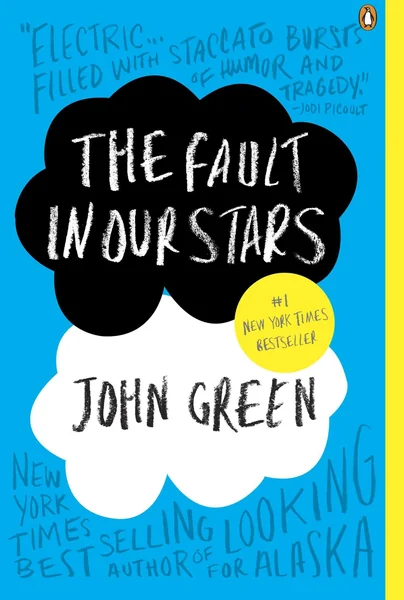
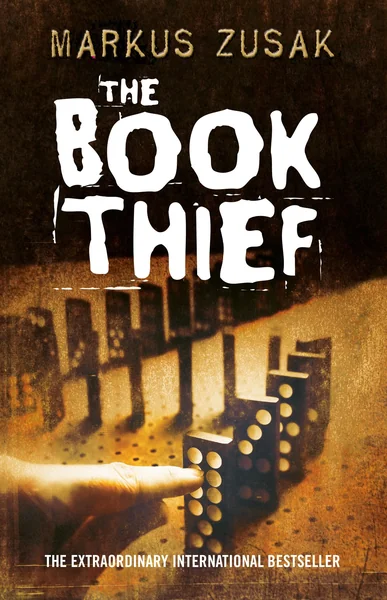
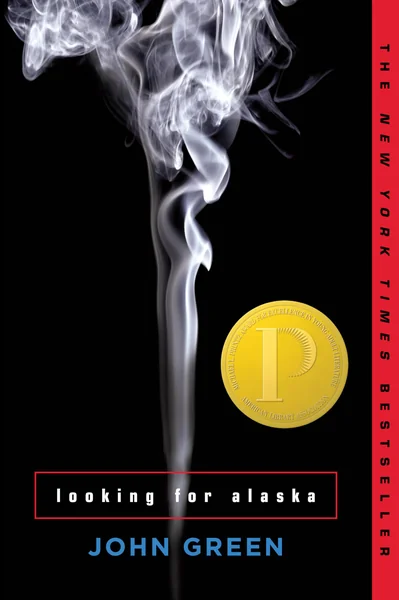
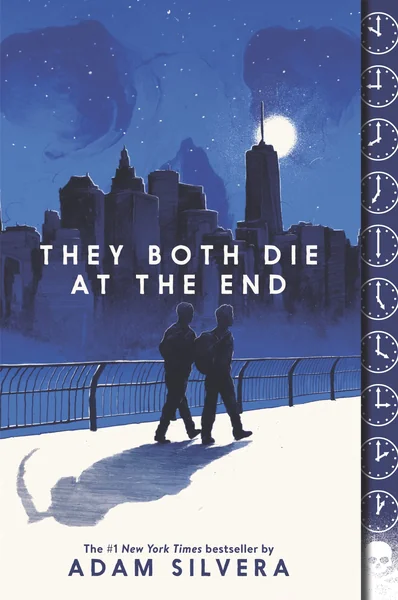
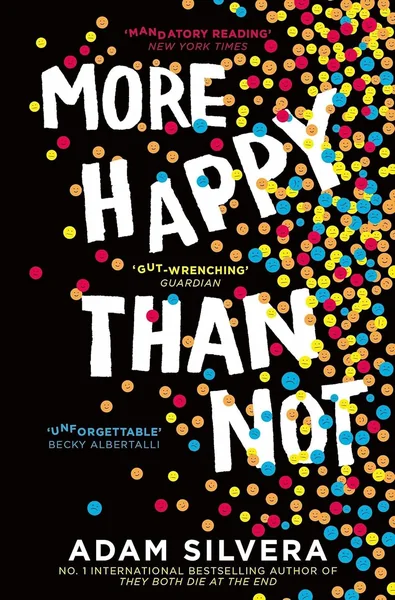
- Readers drawn to The First to Die at the End will find natural companions in Silvera's own catalogue. They Both Die at the End — the original novel in the Death-Cast universe — is the essential companion read, and More Happy Than Not showcases Silvera's signature blend of speculative premise and raw emotional character work. Beyond Silvera, John Green's The Fault in Our Stars and Looking for Alaska share the YA tradition of emotionally devastating stories about young people confronting mortality and identity. Markus Zusak's The Book Thief offers a similarly high-concept framing device around death and loss, while Kathleen Glasgow's Girl in Pieces and Stephen Chbosky's The Perks of Being a Wallflower are comparably unflinching in their treatment of grief, family rupture, and the search for self.
- Who should read this?
- The First to Die at the End is aimed squarely at readers aged 13 to 18 who are comfortable with emotionally weighty themes — loss, family rupture, mortality, identity, and faith — set within a speculative, high-stakes premise. Fans of Silvera's earlier work will find the expanded Death-Cast mythology and the origin story of a world-altering technology particularly rewarding. Readers drawn to YA fiction that centres Latine characters and engages seriously with LGBTQ+ experiences without defaulting to tragedy will find the novel's intent clearly reflected in its design. Those new to the series can use it as an entry point, though the full emotional resonance lands deepest for readers who already know They Both Die at the End.
- What age is it for?
- Best for ages 13 and up. The novel is formally aimed at a YA audience of 13 to 18 and engages seriously with heavy themes including grief, parental abuse, homophobia, religious faith, and mortality — content that benefits from a level of emotional maturity suited to early-to-mid teens and above.
- About Adam Silvera
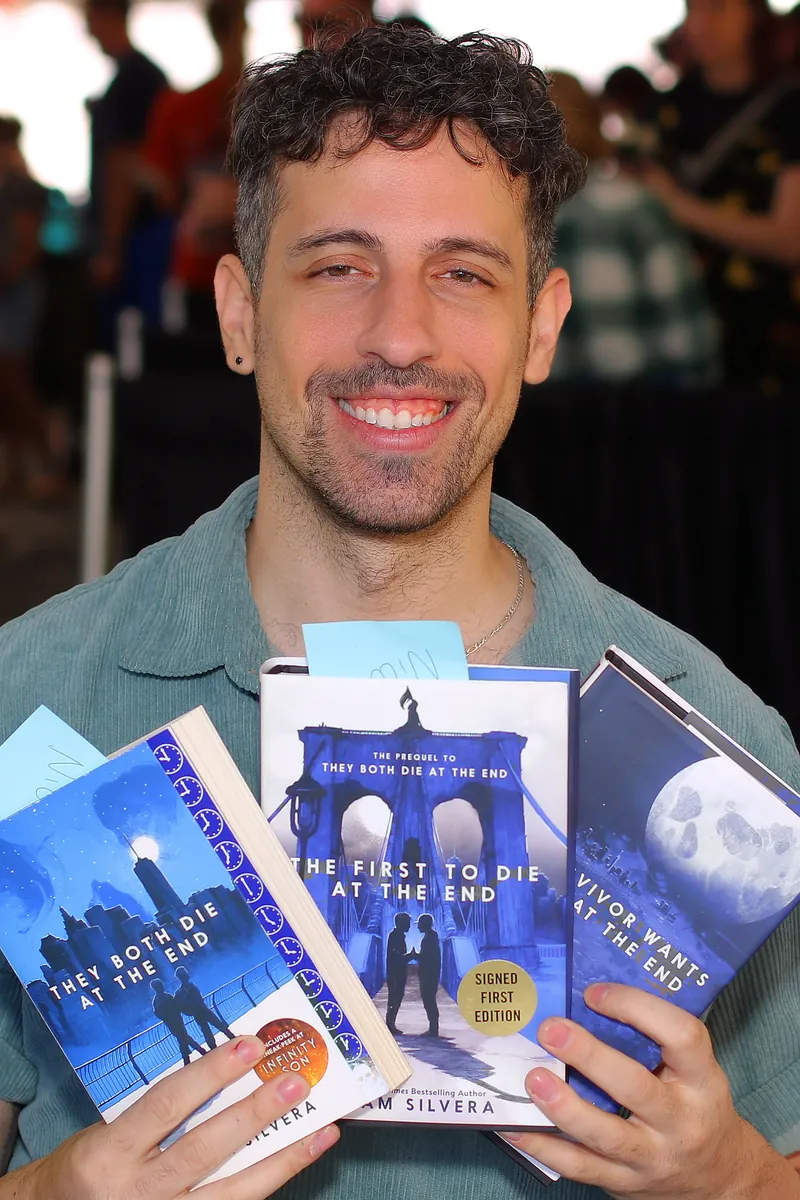
- Since bursting onto the YA scene in 2015 with More Happy Than Not, #1 New York Times bestselling author Adam Silvera has become one of young adult literature's most emotionally resonant voices.
- How does it compare to They Both Die at the End?
- The First to Die at the End expands the Death-Cast world with an intricately interconnected ensemble and a broader societal lens, but it faces an inherent challenge: the original's central conceit — encountering Death-Cast as a concept for the first time — carries a freshness a prequel cannot replicate by definition. Kirkus Reviews noted this dynamic in its review of the audiobook, observing that it 'lacks its predecessor's novelty and magic.' The prequel also features an acknowledged character imbalance — Orion is more vividly drawn than Valentino, whereas the original's dual protagonists felt more evenly matched. For fans of the original, the expanded mythology and origin story are rewarding additions; as a pure reading experience, most critical assessments place They Both Die at the End as the stronger work.
- What are the main themes?
- The First to Die at the End weaves together grief, mortality, identity, family rupture, religious faith, and abuse within a speculative high-concept frame. The Death-Cast premise gives all of these themes an urgent, elevated stakes — particularly for Orion Pagan, who has lived with a serious heart condition and the shadow of 9/11's impact on his family. The novel also engages seriously with LGBTQ+ identity through Valentino's arc, deliberately avoiding the trope of punishing gay characters with tragedy, and with questions of representation through its largely Latine cast, including the specific detail of Orion being Puerto Rican and White-passing. Kirkus Reviews notes these heavy topics are confronted 'with complexity and care.'
Summarize this book
Follow up
Synthesized from verified book data & published reviews · How we review
Press Enter to ask. Answers come from our editorial Q&A — start typing to see related questions.
Age & Reading Level
Recommended age
Ages 12–18
Reading level
Young adult
4 content notes · who it suits
Content to know about
Best for: Ages 13+ — the novel engages seriously with grief, abuse, homophobia, terminal illness, and mortality in a YA speculative frame suited to early-to-mid teens and above.
Skip if you're looking for a self-contained, fully fresh speculative story unconnected to a wider series — the emotional payoff is deepest for readers already invested in the Death-Cast universe.
Editorial Review
Adam Silvera's The First to Die at the End is a speculative YA fiction prequel to his celebrated They Both Die at the End, set against the chaotic nationwide launch of Death-Cast — a company that notifies subscribers they have 24 hours left to live. A New York Times bestseller, it centers on the fateful collision of Orion Pagan and Valentino Prince in Times Square, weaving grief, romance, and social upheaval into what Kirkus Reviews calls "a rush of emotion and suspense."
Read the Full ReviewBooks like The First to Die at the End Prequel
Curated picks for readers who enjoyed The First to Die at the End Prequel, with our reasoning for each match.
If you liked The First to Die at the End Prequel