
9 min read
4.6
· 46,045 Amazon ratingsFeatured In
Share This Review
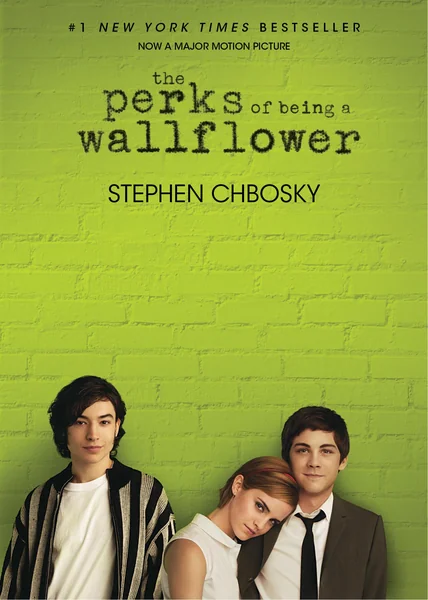
The Perks of Being a Wallflower by Stephen Chbosky Review: A Defining Coming-of-Age Novel
Stephen Chbosky's debut young adult novel, originally published in 1999, follows fifteen-year-old Charlie through his freshman year of high school in a Pittsburgh suburb, told entirely through letters he addresses to an anonymous "Dear Friend." The novel covers Charlie's friendships with seniors Patrick and Sam, his grief over the suicide of his only middle-school friend and the death of his aunt Helen, and his navigation of sexuality, mental health, substance abuse, and first love — all filtered through an introspective, philosophically inclined voice. The book reached the New York Times Best Seller list following the release of Chbosky's own 2012 film adaptation, and has become one of the most discussed and frequently challenged young adult novels in American schools.
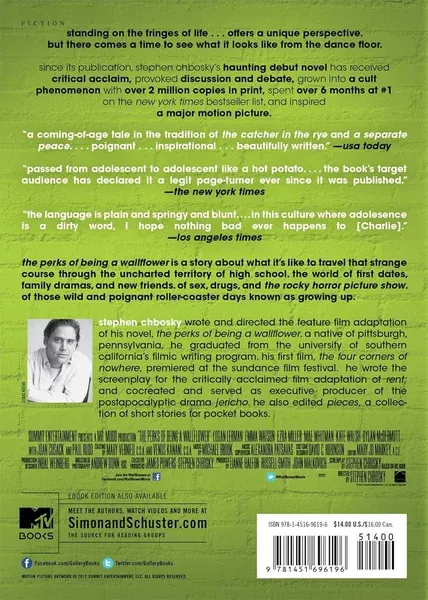 Tap to enlarge
LuvemBooks Verdict
Best for
Teenage readers — and the adults who remember being one — who want an unflinching, emotionally precise coming-of-age story about loneliness, friendship, trauma, and the first moments of feeling truly understood.
Worth it if
You respond to intimate, first-person confessional narration and want a YA novel that treats difficult subjects — suicide, rape, mental health, sexuality — with honesty and without simplification.
Skip if
You are looking for broader LGBTQ representation beyond a single male gay perspective, or are seeking a coming-of-age story that handles its darker themes with a lighter touch.
What readers & critics say
The Guardian praises Chbosky's stream-of-consciousness prose as "lyrical" and "almost hypnotic," commending the novel's moral generosity and its diverse, well-developed cast, while noting it is "ultimately uplifting and life-affirming" despite its painful content. Kirkus Reviews acknowledges the novel's effective blend of realism and uplift — enough to earn a place on high school reading lists — while flagging that more sophisticated readers may notice its debt to Salinger, though Chbosky openly signals that homage within the text itself.
“The lyrical, philosophical nature of the prose makes Chbosky's stream of consciousness style beautiful — Charlie's narration is almost hypnotic in its rhythm.”
— The Guardian“The right combination of realism and uplift to allow it on high school reading lists — Charlie oozes sincerity and feels an extraliterary bond with his favourite writers.”
— Kirkus ReviewsAsk LuvemBooks
Was this helpful?
- Is it worth reading?
- For readers who respond to intimate confessional narration, The Perks of Being a Wallflower is one of the strongest examples the YA genre has produced. The Guardian praises the prose as lyrical and almost hypnotic, and the novel's moral generosity — its refusal to treat any character as innately bad — gives it emotional depth well beyond a standard coming-of-age story. It has remained in print and conversation for over two decades, reached the New York Times Best Seller list following the 2012 film adaptation, and continues to resonate across age groups. The main caveat is content: its direct treatment of rape, suicide, substance use, and sexuality means it is not the right fit for every reader's readiness.
- Similar books
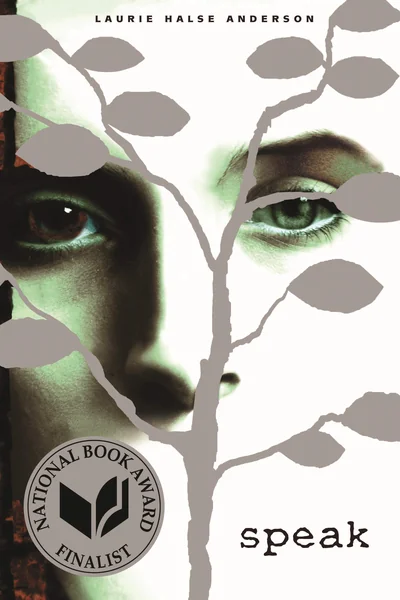
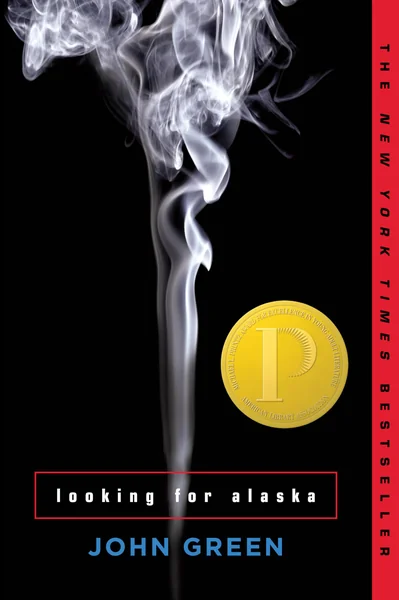
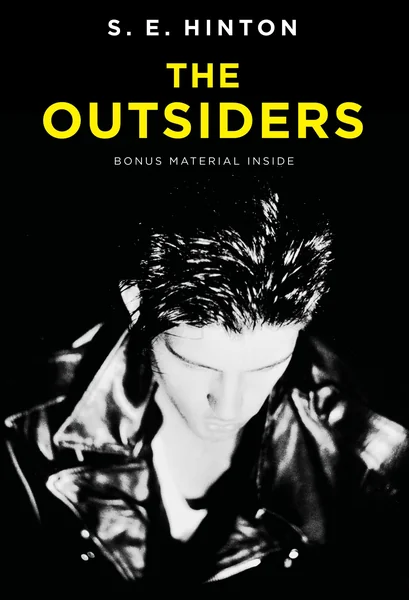
- Readers who connect with The Perks of Being a Wallflower tend to gravitate toward other YA novels that handle difficult adolescent experience with honesty and emotional precision. Laurie Halse Anderson's Speak tackles sexual assault and silence from a teenage girl's perspective with similar unflinching directness. John Green's Looking for Alaska shares the boarding-school setting, the gravitational pull of a charismatic older girl, and the theme of loss reshaping a young protagonist's identity. S. E. Hinton's The Outsiders is another foundational YA text exploring adolescent outsider identity and loyalty under pressure. Kathleen Glasgow's Girl in Pieces and E. Lockhart's We Were Liars both deal with trauma and fractured memory in ways that will resonate with readers drawn to Chbosky's emotional intensity.
- Who should read this?
- The Perks of Being a Wallflower is designed for teenage readers, and that is where its impact has been most deeply felt — though it has found an audience well beyond that demographic. The Guardian observes that "Charlie is inside every lonely teenager and every adult remembers him fondly." It is especially well-suited to readers who respond to intimate first-person confessional narration, who have experienced social outsider-hood, or who want honest YA fiction that does not soften grief, sexuality, or mental health. Readers who prefer lighter coming-of-age stories or who are sensitive to depictions of rape, suicide, and substance use should approach with that awareness.
- What age is it for?
- Best for ages 14 and up. The novel addresses rape, suicide, substance use, and explicit sexuality with directness and without simplification — content that warrants maturity in the reader and parental awareness for younger teens. The American Library Association has extensively documented the book's history of school challenges on precisely these grounds. Many older teens and adults find it profoundly resonant; the question is readiness rather than reading ability.
- About Stephen Chbosky
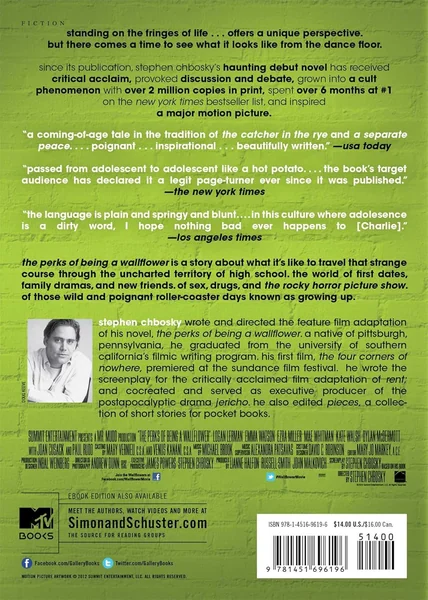
- Stephen Chbosky is an American film director, screenwriter, and author.
- Tell me about the adaptation
- Stephen Chbosky himself wrote and directed the 2012 feature film adaptation of The Perks of Being a Wallflower, making him one of the rare authors to adapt his own debut novel for the screen. The film's release drove renewed attention to the book and pushed it onto the New York Times Best Seller list — demonstrating how closely the two works are linked in the public imagination. Because Chbosky controlled both the source material and the screenplay, the adaptation is widely regarded as unusually faithful to the novel's voice and intent.
- Why is this book trending?
- A new five-year report on book bans has ranked The Perks of Being a Wallflower number one on the banned books list in America, and the backlash to that ranking is driving fresh interest in the novel. TikTok creators are amplifying the conversation — particularly around bans in Colorado, Connecticut, and Florida — and the renewed controversy has landed the book on summer 2026 reading lists. The novel's history with censorship is longstanding: as recently as April 2025, Belarus's Lukashenko regime added it to a list of publications deemed harmful to national interests. For many readers, the banning history has become its own argument for picking the book up.
Summarize this book
Follow up
Synthesized from verified book data & published reviews · How we review
Press Enter to ask. Answers come from our editorial Q&A — start typing to see related questions.
Age & Reading Level
Recommended age
Ages 12–18
Reading level
Young adult
5 content notes · who it suits
Content to know about
Best for: Ages 14+ — the novel depicts rape, childhood sexual abuse, suicide, and substance use with directness and without simplification; emotional maturity rather than reading ability is the determining factor.
Skip if you want a lighthearted or gently handled coming-of-age story without explicit depictions of trauma, abuse, or mental illness.
Our Review
What the Novel Is and What It Contains
Origins and Place in the Genre
Strengths: Voice, Character, and Emotional Range
Reception, Controversy, and Cultural Footprint
Who This Book Is For and Where It Has Its Limits
Sources & Further Reading
The key facts and claims in this review are grounded in the retrieved, verified sources listed below.
- Cited in this review
- 1
en.wikipedia.org
- 2
- Further reading
- 3
Stephen Chbosky, Wikipedia
- 4
- 5
kirkusreviews.com
- 6
- 7
- 8
thebooksuite.com
- 9
thestorysanctuary.com
- 10
- 11
- 12
Books like The Perks of Being a Wallflower
Curated picks for readers who enjoyed The Perks of Being a Wallflower, with our reasoning for each match.
If you liked The Perks of Being a Wallflower
Why It’s Trending
Banned Books Week Puts Perks of Being a Wallflower Back in the Spotlight
It's Banned Books Week, and The Perks of Being a Wallflower is once again one of the most talked-about titles on the list. The novel has faced more than 15 documented challenges in schools and libraries, keeping it in the conversation every year at this time.