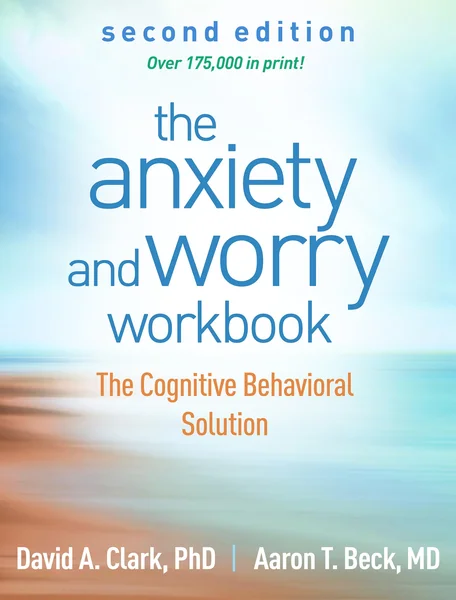
The Anxiety and Worry Workbook: The Cognitive Behavioral Solution
by David A. Clark, Aaron T. Beck
At a glance
About the Author
David A. Clark, Aaron T. Beck1 book reviewed
The Anxiety and Worry Workbook
The Cognitive Behavioral Solution
by David A. Clark, Aaron T. Beck
LuvemBooks Verdict
Best for: Adults seeking a rigorous, self-directed CBT programme for anxiety or worry — particularly those who want a workbook with genuine clinical pedigree and are willing to commit to a structured, chapter-by-chapter process to build a personalised Anxiety Work Plan.
Worth it? Skip it? Read the full verdict →Ask LuvemBooks
Was this helpful?
- Is it worth reading?
- For readers seeking a credentialed, systematic approach to anxiety relief, the workbook stands out as one of the most authoritative self-help resources available in its category. Multiple clinical professionals have praised it, including Ronald M. Rapee, who called it 'a lifeline for people who suffer from debilitating worries,' and Christine Padesky, PhD, who said it will be 'unendingly valuable for anyone with the lived experience of anxiety.' The Journal of Behavioural and Cognitive Psychotherapy also noted its value as a tool for therapists and patients in cognitive therapy. The key caveat is the sustained commitment it demands — readers unwilling to engage with a structured, chapter-by-chapter program may not get full value from it.
- Similar books
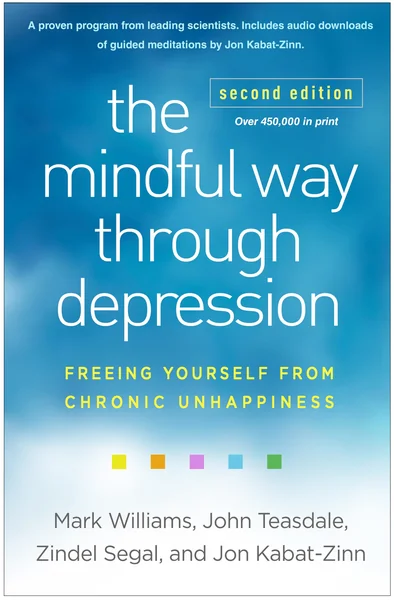
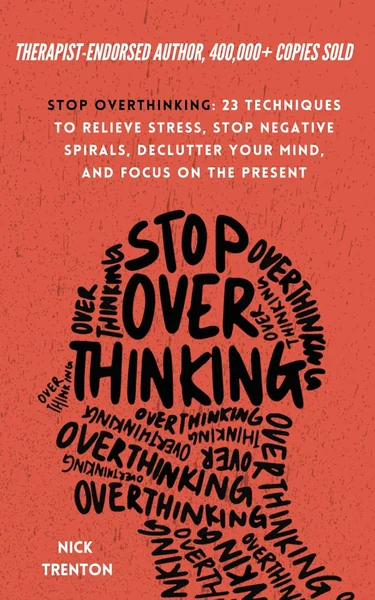
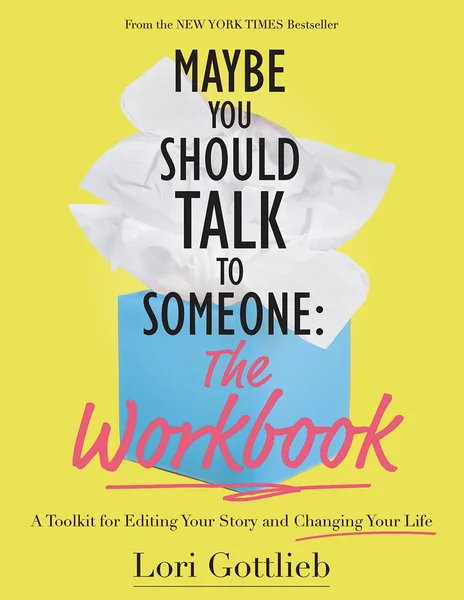
- Readers drawn to this workbook may also find value in several related titles. David D. Burns' Feeling Good: The New Mood Therapy is another foundational CBT-based self-help classic addressing anxiety and depression. For those interested in mindfulness-based perspectives, The Mindful Way through Depression by Mark Williams, John Teasdale, Zindel Segal, and Jon Kabat-Zinn offers a third-wave complement, and The Mindfulness and Acceptance Workbook for Anxiety by John P. Forsyth and Georg H. Eifert covers ACT-based approaches. Nick Trenton's Stop Overthinking: 23 Techniques to Relieve Stress, Stop Negative Spirals offers a lighter-touch alternative for readers who find the Beck/Clark workbook's systematic demands more intensive than desired. Lori Gottlieb's Maybe You Should Talk to Someone: The Workbook rounds out the list for those who want a therapy-companion format.
- Who should read this?
- This workbook is best suited to adult readers who want a rigorous, self-directed CBT program for anxiety, panic, or chronic worry — and who are willing to commit to a structured, chapter-by-chapter process rather than dipping in for quick tips. It is also explicitly valuable for therapists and clinicians who want a companion resource for patients already in cognitive therapy, as noted by both the Journal of Behavioural and Cognitive Psychotherapy and Doody's Review Service. Readers whose anxiety presentations respond better to third-wave modalities such as Acceptance and Commitment Therapy or mindfulness-based interventions may find the classic Beck CBT framework less tailored to their needs, and those with severe or complex presentations may benefit most from using it alongside professional support.
- What is the CBT approach in this book?
- The workbook is grounded in the classic cognitive behavioral therapy model developed by Aaron T. Beck, which identifies and restructures unhelpful thought patterns and behaviors that maintain anxiety. Readers are first guided through foundational chapters to absorb core CBT concepts, then directed to Chapter 8 to build a personalized Anxiety Work Plan — an individualized roadmap that combines cognitive and behavioral techniques drawn from the worksheets in earlier chapters. A ResearchGate review described it as offering 'a thorough introduction to a classic, though updated, cognitive behavioral therapy (CBT) approach for anxiety in a self-directed format.' Readers seeking third-wave modalities such as Acceptance and Commitment Therapy (ACT) or mindfulness-based interventions will find those are not the primary focus of this workbook.
- How has it been received by clinicians?
- Reception from professional and clinical quarters has been consistently strong. John H. Riskind, PhD, Professor Emeritus of Psychology at George Mason University, praised the second edition's 'fresh, cutting-edge content' and abundance of useful worksheets. Christine Padesky, PhD, author of Mind Over Mood, called it 'unendingly valuable for anyone with the lived experience of anxiety.' Ronald M. Rapee described Beck and Clark as 'CBT pioneers' and called the workbook 'a lifeline for people who suffer from debilitating worries.' The Journal of Behavioural and Cognitive Psychotherapy (reviewing the first edition) noted it 'would also be a valuable tool for therapists and an accompaniment to patients already having cognitive therapy,' and Doody's Review Service highlighted its utility for 'clinicians and educators.'
- What are the key limitations?
- Two limitations stand out. First, the workbook's structured, chapter-by-chapter framework and the emphasis on building a personalized Anxiety Work Plan require sustained engagement — it is not a quick-reference guide or a light read, and readers seeking brief, immediately actionable tips may find the systematic demands more intensive than expected. Second, the approach is rooted in Aaron T. Beck's classic CBT model; readers whose anxiety presentations respond better to newer third-wave approaches — such as Acceptance and Commitment Therapy or mindfulness-based interventions — may find the framework less tailored to those modalities. Those with severe or complex presentations may also get the most from using it alongside professional support rather than entirely in isolation.
Summarize this book
Follow up
Synthesized from verified book data & published reviews · How we review
Press Enter to ask. Answers come from our editorial Q&A — start typing to see related questions.
Age & Reading Level
Recommended age
Adult
Reading level
Adult
who it suits
Skip if you want a quick, light-touch anxiety resource or a book rooted in third-wave approaches like ACT or mindfulness-based therapy rather than classic CBT.
Editorial Review
The Anxiety and Worry Workbook: The Cognitive Behavioral Solution (Second Edition) by David A. Clark and Aaron T.…
Read the Full ReviewBooks like The Anxiety and Worry Workbook
Curated picks for readers who enjoyed The Anxiety and Worry Workbook, with our reasoning for each match.
If you liked The Anxiety and Worry Workbook