7 min read
4.6
· 21 Amazon ratingsShare This Review

Our review
AdEntity
AdEntity: Advertising, Algorithms, and the Fate of Modern Identity by Ahmad Abu Zannad Review: A Provocative Industry-Insider Reckoning
AdEntity: Advertising, Algorithms, and the Fate of Modern Identity by Ahmad Abu Zannad argues that advertising, branding, and algorithmic systems do not merely sell products but actively shape what people value, desire, and become. Abu Zannad draws on his experience as a senior strategist at Leo Burnett to interrogate how influence systems restructure identity in a hyperconnected world. The combination of industry-practice depth and cultural analysis makes this a distinctive entry in the conversation about media and selfhood.
LuvemBooks Verdict
Best for
Marketers, strategists, and cultural theorists who want a structural account of how advertising and algorithmic systems engineer collective identity — written by someone who designed those systems from the inside.
Worth it if
Worth reading if you are prepared for argument-driven, interdisciplinary nonfiction that prizes analytical rigour over accessibility, and want a perspective on algorithmic influence that goes beyond consumer behaviour into the question of whose cultural values get permanently encoded into global systems.
Skip if
Skip it if you are looking for a fast, single-discipline introduction to media literacy or digital culture — the book's 399-page span across branding, algorithmic systems, identity theory, and cultural analysis demands a level of sustained engagement that casual readers are unlikely to find rewarding.
What readers & critics say
Coverage at entarabi.com frames the book as a significant argument that advertising's role extends far beyond consumption into the active shaping of modern human identity, with particular emphasis on Abu Zannad's claim that AI and algorithm-driven media now pose a greater identity-shaping force than 20th-century broadcast advertising ever did. Abu Zannad's own LinkedIn presence (ae.linkedin.com) corroborates the book's global dimension, articulating the "frozen standards" thesis — that algorithms enforce what they first learned, leaving non-Western cultures inheriting an outdated Western template — as a core strand of his public intellectual work.
Sources: entarabi.com, ae.linkedin.comAsk LuvemBooks
Was this helpful?
- Is it worth reading?
- For readers comfortable with argument-driven, interdisciplinary nonfiction, AdEntity delivers a perspective that purely academic or journalistic treatments of advertising rarely provide: a structural critique assembled from inside the machinery it interrogates. The key caveat is stamina — at 399 pages spanning branding, algorithmic systems, media narratives, and identity formation, the book demands sustained engagement. Readers without background in at least one of those fields may find the intellectual range steep, but that is a practical consideration rather than a flaw in the argument itself.
- Similar books
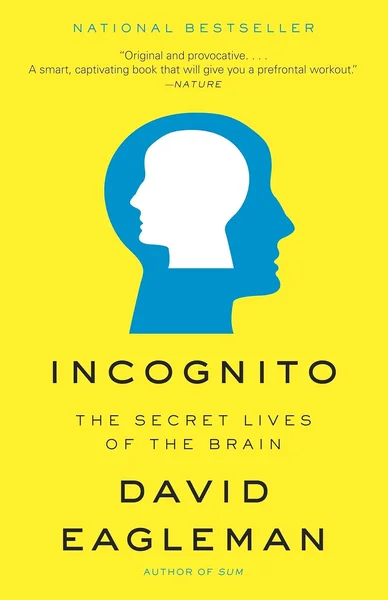
- Readers drawn to AdEntity's interrogation of hidden forces shaping human behaviour will find productive companions on the shelf below. Charles Duhigg's The Power of Habit explores how routines are engineered and exploited, while Robert Greene's The Laws of Human Nature examines the deeper drives that make people susceptible to influence. Adam Grant's Think Again addresses the difficulty of revising entrenched beliefs — a theme that sits alongside Abu Zannad's argument about algorithmically frozen norms. For the neuroscience underpinning identity and perception, Lisa Barrett's How Emotions Are Made and David Eagleman's Incognito both illuminate how much of selfhood operates beneath conscious awareness.
- Who should read this?
- AdEntity is most naturally suited to marketing and communications professionals who want a rigorous, insider-grounded critique of the systems they work within. Cultural theorists and media scholars will find Abu Zannad's argument about algorithmic norm-encoding and global identity formation a productive provocation. Beyond those specialist audiences, engaged general readers who want to understand the architecture of influence at a level deeper than standard media-literacy writing — and who are comfortable with sustained, interdisciplinary argument — are the book's third constituency.
- About Ahmad Abu Zannad
- Ahmad Abu Zannad is a brand marketing and advertising strategist who worked for Leo Burnett and Zain for over 17 years. He is the founder and lead strategist at Native Communications, an advisory firm based in Dubai. He has published award-winning books, including Adman vs. Chomsky, and over 100 articles in regional and global publications, and has been inducted into the Who's Who in Saudi Telecom.
- What are the main themes?
- Three interlocking themes drive AdEntity. First, identity construction: the book dismantles the premise that selfhood is discovered internally, arguing instead that branding and media systems author it from the outside. Second, algorithmic norm-encoding: Abu Zannad examines how algorithms enforce the cultural standards they first learned, locking in a static version of norms that originating cultures have already evolved beyond — with particular consequences for non-Western markets. Third, the ethics of influence: by positioning advertising and algorithmic communication as forces that structure aspiration at a societal scale, the book reframes what is ordinarily treated as a commercial question into a civilizational one.
- What's the reading experience like?
- AdEntity is a dense, sustained argument rather than a breezy read — its 399 pages move through advertising strategy, cultural theory, algorithmic systems, and identity formation without pausing for a single-discipline comfort zone. The dual positioning of Abu Zannad as both industry insider and cultural analyst is the engine of the book's intellectual momentum, but it also means the prose is doing significant analytical work throughout. Readers who find that combination energising will regard the scope as a strength; those expecting a focused, single-subject treatment may find it demanding.
Summarize this book
Follow up
Synthesized from verified book data & published reviews · How we review
What would you like to know about AdEntity?
Answers come from our editorial notes on this book. If we haven't covered something, we'll say so.
Readers often ask
Our Review
We review the evidence: published critics, reader verdicts and BookTube reviews, gathered and weighed with AI assistance and edited by LuvemBooks, rather than one reader's first-hand take.
What the Book Actually Argues
The Author's Vantage Point
Where the Book Breaks New Ground
Scope, Density, and Who May Struggle

Who This Book Is For
Sources & Further Reading
The key facts and claims in this review are grounded in the retrieved, verified sources listed below.
- Cited in this review
- 1
- Further reading
- 2
linkedin.com
- 3
ae.linkedin.com
Age & Reading Level
Recommended age
Adult
who it suits
Skip if you want a concise, single-discipline treatment of advertising or identity rather than a dense, 399-page interdisciplinary structural argument.
Reader reviews
Be one of the first readers to answer.
Read it? Was it right for you?
Books like AdEntity
Curated picks for readers who enjoyed AdEntity, with our reasoning for each match.
If you liked AdEntity