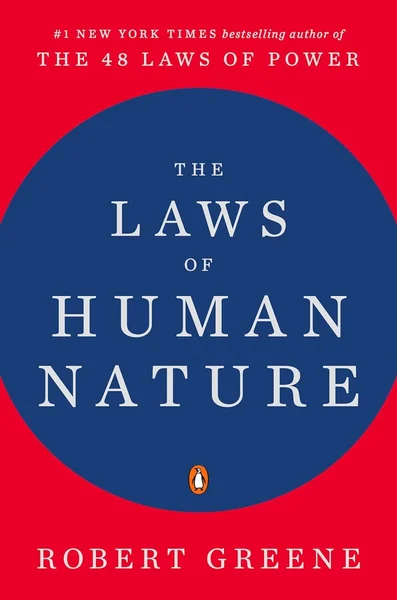
The Laws of Human Nature – International Bestseller on Psychology, Behavior & Human Nature
At a glance

The Laws of Human Nature – International Bestseller on Psychology, Behavior & Human Nature
LuvemBooks Verdict
Best for: Adults navigating complex professional and social environments who want a modular, historically grounded framework for understanding colleagues, rivals, and their own psychological blind spots — especially those already engaged with Greene's earlier works like The 48 Laws of Power.
Worth it? Skip it? Read the full verdict →Ask LuvemBooks
Was this helpful?
- Is it worth reading?
- For readers drawn to the intersection of history, biography, and behavioral psychology — or who already engage with Greene's earlier works — The Laws of Human Nature offers a richly narrative, systematically organized exploration of human motivation that Barnes & Noble's editorial copy describes as Greene being 'essentially magic when it comes to making big subjects approachable.' However, Kirkus Reviews argues that the book's formula of stating a law, elaborating with observations that can read as self-evident, and then spinning out a lengthy historical yarn means the returns are not always proportionate to the investment. The book is worth reading for patient, analytically inclined adults willing to engage with it selectively; those expecting a propulsive read or a tightly empirical treatment of psychology are likely to be frustrated by its 580-plus pages and repetitive chapter structure.
- Similar books
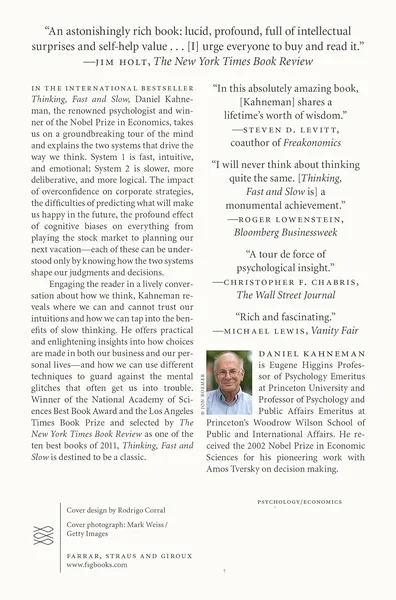
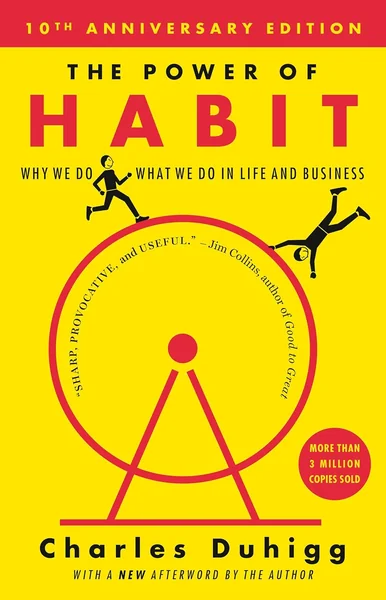
- Readers who connect with The Laws of Human Nature will find natural companions across the related books curated below. Robert Greene's own The 48 Laws of Power shares the same neo-Machiavellian worldview and historical-case-study method and is the most direct predecessor. Niccolò Machiavelli's The Prince is the classical source in that tradition — Kirkus pointedly notes that the brevity of Stoic texts like the Enchiridion compares favorably to Greene's density, and Machiavelli's slim volume offers a similar argument about human nature in a fraction of the pages. For readers who want the behavioral psychology angle with stronger empirical grounding, Daniel Kahneman's Thinking, Fast and Slow is the standard reference. Robert Cialdini's Influence: The Psychology of Persuasion covers overlapping territory on how hidden forces shape human decisions, and Charles Duhigg's The Power of Habit offers a more accessible and less adversarial treatment of behavioral patterns. Patrick King's Read People Like a Book targets similar readers who want practical frameworks for decoding human behavior.
- Who should read this?
- The Laws of Human Nature is recommended by its publisher for readers 18 and up, with a design intent clearly aimed at adults navigating complex professional and social environments — people seeking frameworks for understanding colleagues, rivals, and their own psychological blind spots. Readers already engaged with Greene's earlier works, or who are drawn to the intersection of history, biography, and behavioral psychology, are the most natural audience. Those who prefer empirically grounded psychology, shorter texts, or who find an adversarial view of human motivation reductive are less well served; as Kirkus observes, readers who bridle at Greene's 'neo-Machiavellian program' will find the book's 580-plus pages a difficult commitment.
- About Robert Greene
- Robert Greene is an American author of books on strategy, power, and seduction. His publisher and retailer materials describe him as a New York Times bestselling author and an internationally recognized writer in those fields, and The Laws of Human Nature is among his most widely read works internationally.
- What are the main themes?
- The book covers 18 distinct dimensions of human psychology across its chapters, including emotional mastery, narcissism, envy, aggression, grandiosity, and the role of nonverbal cues in revealing authentic feeling. An overarching theme is Greene's argument that human motivation is largely hidden — even from the individuals themselves — and that understanding these concealed forces is essential to navigating work, relationships, and power. Kirkus Reviews identifies a neo-Machiavellian current running throughout: the book's underlying presumption, in Kirkus's framing, is that human behavior is 'mostly rotten,' and its prescriptive thrust is toward 'self-validation and eventual strategic supremacy.' Whether that worldview reads as realism or as reductive cynicism is the central critical debate the book provokes.
- How does this compare to The 48 Laws of Power?
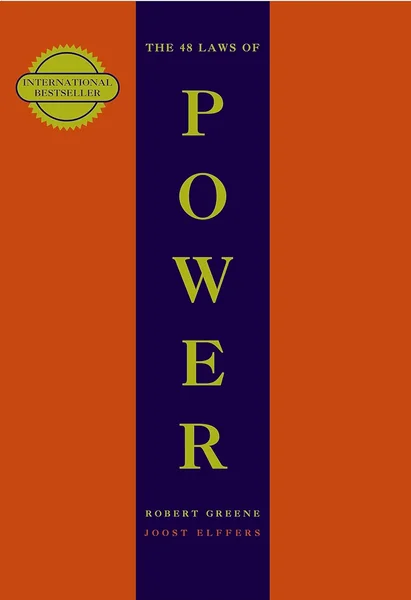
- Both books share the same core method — historical case studies used to illustrate principles of human behavior — and the same neo-Machiavellian worldview. The key difference is in scope and ambition: The 48 Laws of Power is a strategic manual focused on specific rules for acquiring and wielding power, while The Laws of Human Nature attempts a broader theory of why people behave as they do, covering psychological terrain such as narcissism, envy, and emotional contagion that goes well beyond power dynamics. The Laws of Human Nature is also considerably longer than its predecessor, which makes the repetitive chapter structure a more significant factor in the reading experience.
Summarize this book
Follow up
Synthesized from verified book data & published reviews · How we review
Press Enter to ask. Answers come from our editorial Q&A — start typing to see related questions.
Age & Reading Level
Recommended age
Adult
Reading level
Adult
1 content note · who it suits
Content to know about
Skip if you find a cynical, neo-Machiavellian worldview reductive or are looking for an empirically grounded, academically rigorous treatment of psychology.
Editorial Review
Robert Greene's The Laws of Human Nature is an ambitious, encyclopedic nonfiction work structured around 18 laws of human psychology and behavior, drawing on historical figures and philosophical traditions to argue that understanding — and mastering — the hidden forces driving human action is essential to navigating life, relationships, and power. It is a serious undertaking for patient, analytically inclined readers, though its neo-Machiavellian worldview and considerable length have drawn pointed criticism alongside a broad international following.
Read the Full ReviewBooks like The Laws of Human Nature – International Bestseller on Psychology, Behavior & Human Nature
Curated picks for readers who enjoyed The Laws of Human Nature – International Bestseller on Psychology, Behavior & Human Nature, with our reasoning for each match.
If you liked The Laws of Human Nature – International Bestseller on Psychology, Behavior & Human Nature