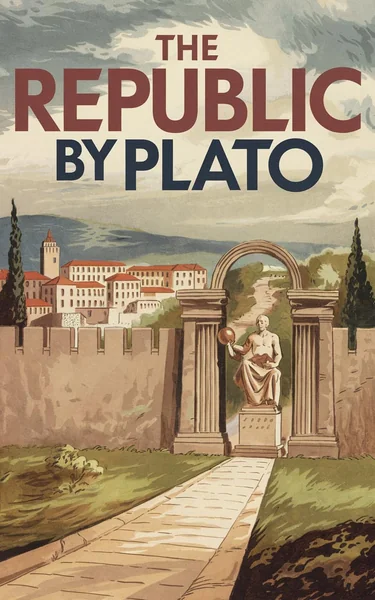
Plato
1
Books ReviewedAsk LuvemBooks about Plato
- Where should I start?
- The Republic is the natural starting point for most readers coming to Plato for the first time. It is his most expansive and accessible major work, covering questions of justice, the ideal state, the role of philosophers in society, and the famous Allegory of the Cave — all within a single sustained dialogue. Its breadth gives newcomers a strong foundation for approaching his shorter, more focused dialogues later. With a reader rating of 4.5/5 from over 6,000 Amazon ratings, it has clearly found a large and appreciative audience.
- What's their writing style?
- Plato writes almost exclusively in the dialogue form, constructing philosophical arguments as conversations — usually between Socrates and one or more interlocutors — rather than as treatises or essays. This means ideas are never simply stated but are proposed, challenged, revised, and sometimes overturned in the course of an exchange, which gives his work an unusual combination of intellectual rigour and dramatic tension. He also makes extensive use of myth and analogy — the Allegory of the Cave in The Republic being the most famous — to illuminate abstract ideas through vivid, concrete imagery.
- Books we've reviewed
- LuvemBooks has reviewed one book by Plato so far. The Republic: A Timeless Classic on Justice, Morality is his most comprehensive dialogue, examining justice, the ideal city-state, and the philosopher's role in society, and it holds a reader rating of 4.5/5 from 6,475 Amazon ratings.
- What genre do they write?
- Plato writes in the genre of Philosophy and Religion, specifically within the sub-discipline of ancient Greek philosophy. His works are classified as philosophical dialogues — a form he effectively defined and perfected — and they address ethics, political philosophy, metaphysics, and epistemology. While they predate modern genre categories, they sit most naturally alongside other works of classical philosophy and are typically found in the same sections of libraries and bookshops as Aristotle, Cicero, and Marcus Aurelius.
- What should I read after The Republic?
- Readers who have finished The Republic and want to go deeper into Plato's thought are usually pointed toward the Symposium, a dialogue on the nature of love and beauty that is among his most stylistically polished works, or the Phaedo, which deals with the immortality of the soul and is set in the hours before Socrates' death. For those more interested in the political themes of The Republic, Aristotle's Politics makes for a natural and illuminating companion read, since Aristotle directly engages with and critiques many of Plato's arguments about the ideal state.
Who is Plato?
Follow up
Synthesized from verified book data & published reviews · How we review
Press Enter to ask. Answers come from our editorial Q&A — start typing to see related questions.
Authors Like Plato

J. D. Salinger
Jerome David Salinger was an American author best known for his 1951 novel The Catcher in the Rye.
1 book reviewed
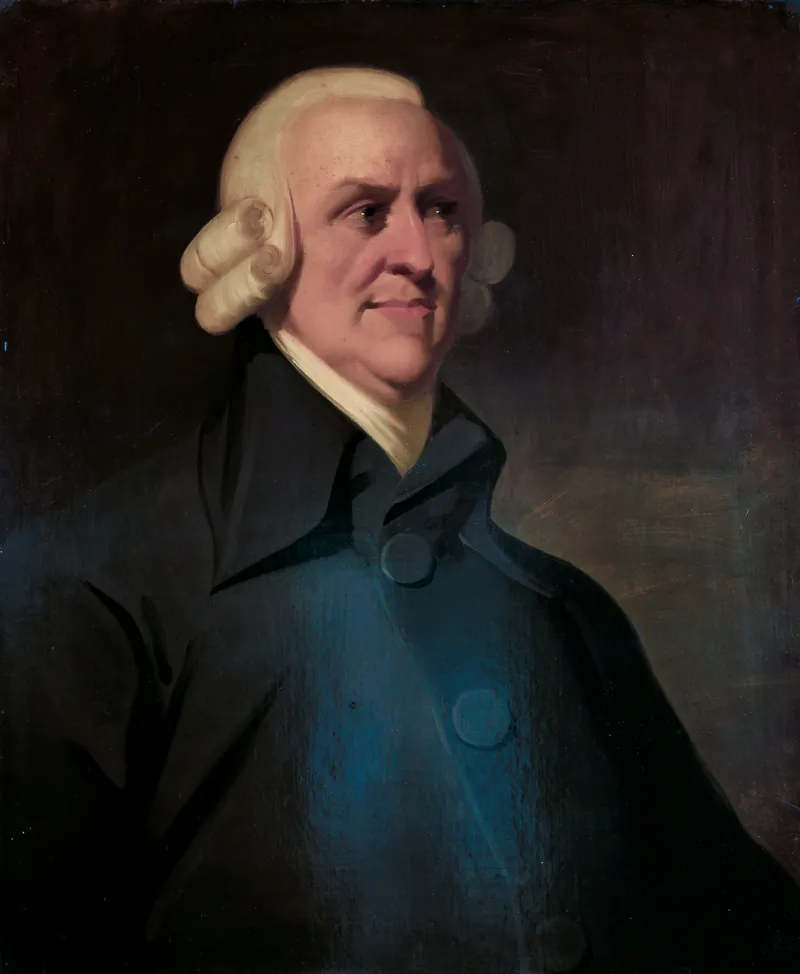
Adam Smith
Adam Smith was a Scottish economist and philosopher who was a pioneer in the field of political economy and key figure during the Scottish Enlightenment.
1 book reviewed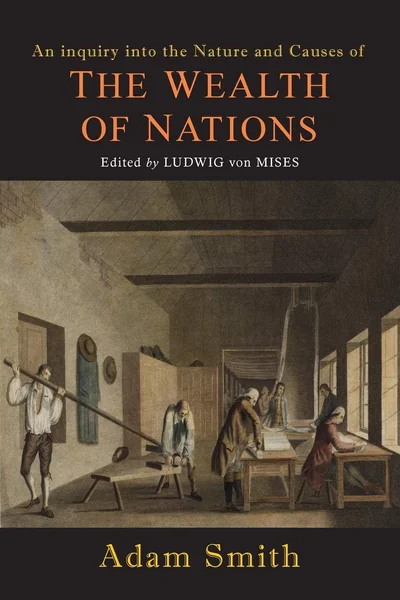

Jonathan Haidt
Jonathan David Haidt is an American social psychologist and author.
1 book reviewed

Kazuo Ishiguro
Born in Nagasaki and raised in Britain from the age of five, **Sir Kazuo Ishiguro** has emerged as one of the most distinctive voices in contemporary literature.
1 book reviewed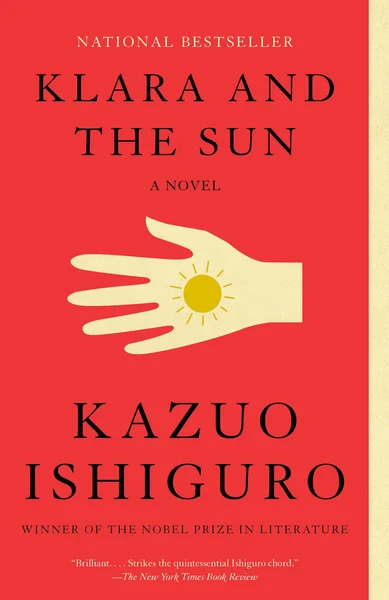
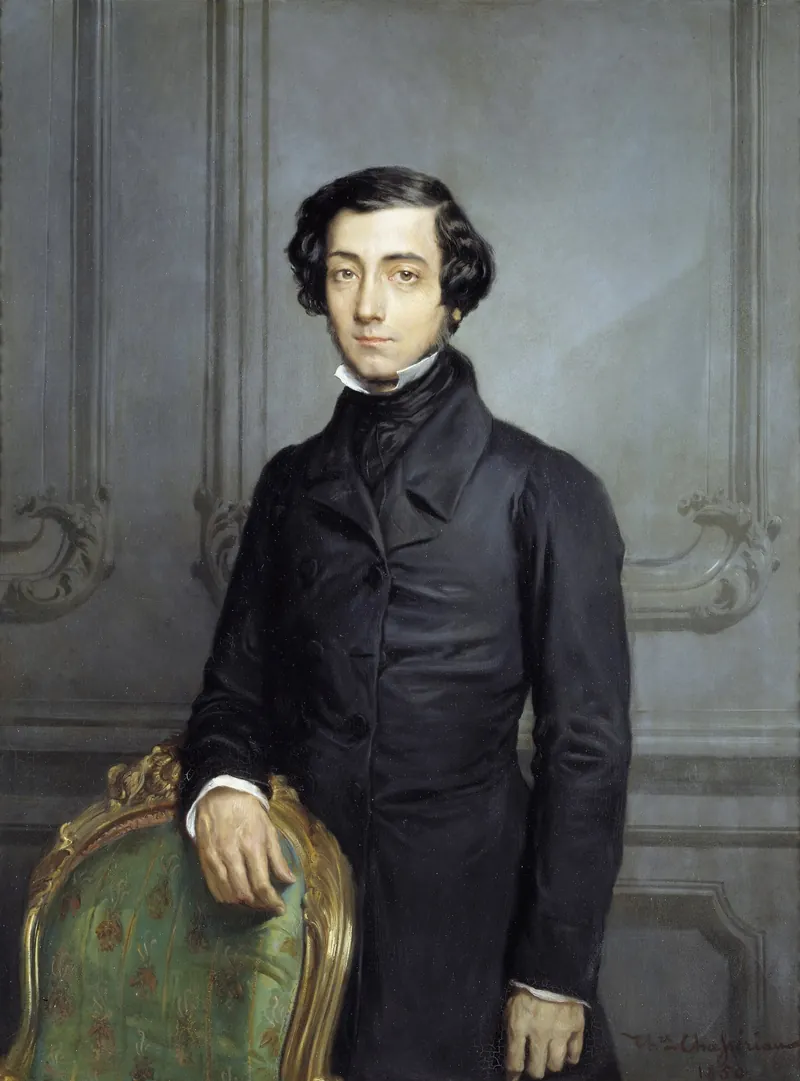
Alexis de Tocqueville
French aristocrat and political thinker Alexis Charles Henri de Tocqueville transformed how the world understood democracy through his keen observations of 19th-century America.
1 book reviewed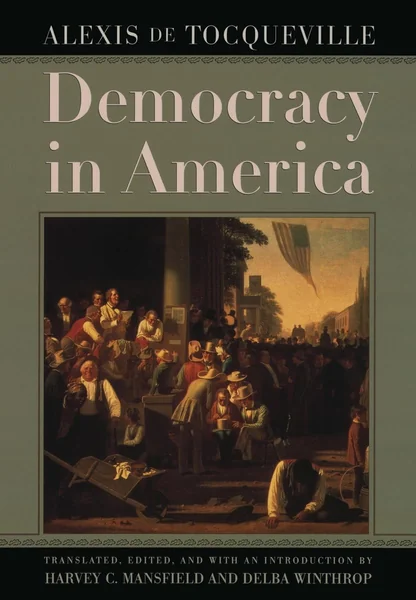
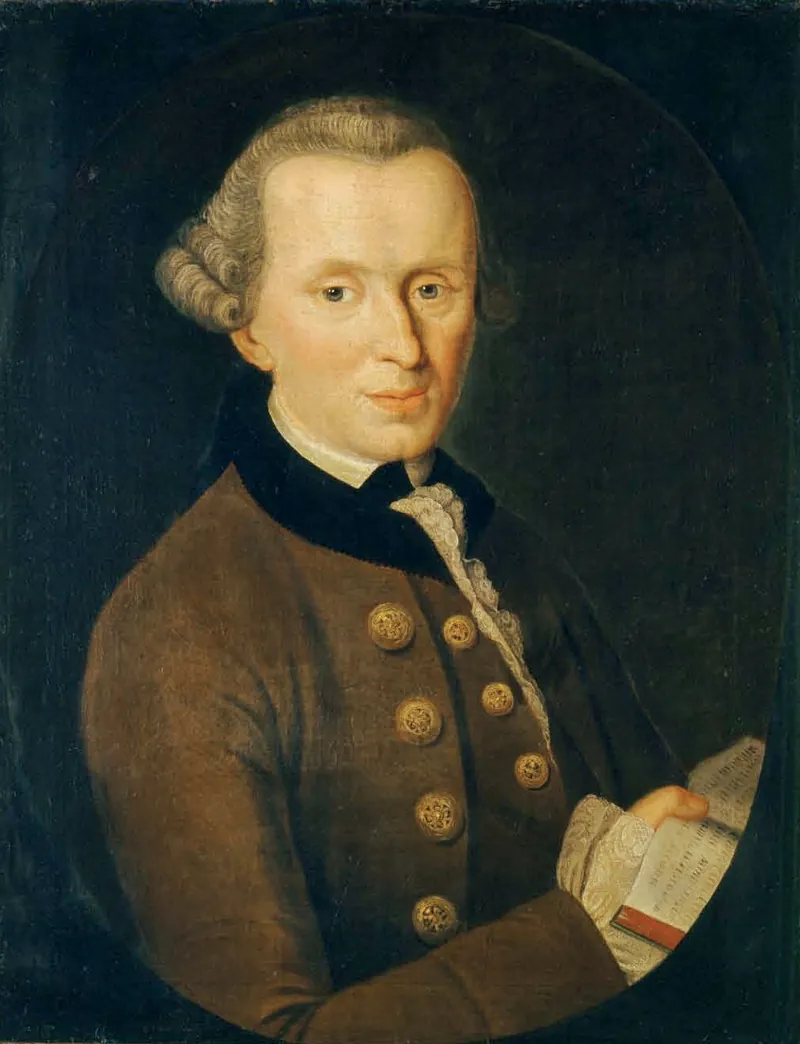
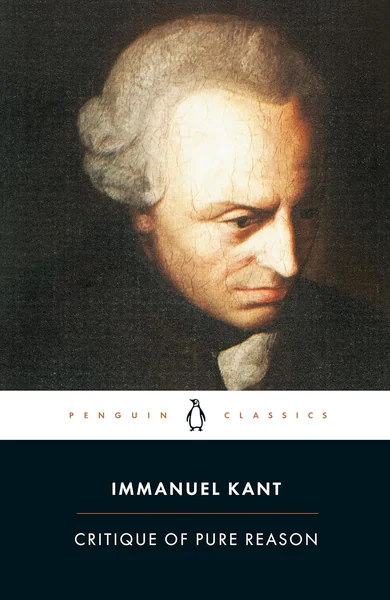
Immanuel Kant
Immanuel Kant (April 22, 1724 – February 12, 1804) was a German philosopher born in Königsberg, Germany (now Kaliningrad, Russia), where he also died. A central figure of the Enlightenment and founder of German classical philosophy, he published his landmark work, the *Critique of Pure Reason*, in 1781, seeking to determine the limits and scope of metaphysics and exploring how reason and experience interact with understanding.
1 book reviewed