9 min read
Share This Review

Our review
The Medicine Woman of Galveston
The Medicine Woman of Galveston by Amanda Skenandore Review: Sweeping Historical Fiction Set Against the 1900 Storm
Amanda Skenandore's The Medicine Woman of Galveston (Kensington, 2024) follows Tucia, an impoverished former doctor who joins a traveling medicine show and is swept toward Galveston, Texas, just as the catastrophic hurricane of September 1900 bears down on the Gulf Coast. A story of women in medicine, found family, and recovery from trauma, it pairs Skenandore's trademark historical research with a disaster backdrop of genuine historical weight. Blurb praise from fellow historical novelists highlights its character work and setting; readers should know it engages heavy themes — coercive control, trauma, disgrace — beneath its colorful medicine-show surface. It will land hardest with fans of Kristin Hannah and Ellen Marie Wiseman who want emotionally driven, research-rich historical fiction with a redemptive arc.
LuvemBooks Verdict
Best for
Book-club historical fiction readers who want a heroine-centered redemptive arc — a disgraced woman doctor reclaiming her vocation — set against richly researched turn-of-the-century medicine shows and the 1900 Galveston hurricane, in the vein of Kristin Hannah and Ellen Marie Wiseman.
Worth it if
It's worth reading if you value scrupulously researched historical settings and a found-family ensemble built around a wounded, capable woman in medicine — and you're prepared for themes of coercion, trauma, and a climax drawn from a real catastrophe that killed thousands.
Skip if
Skip it if you want a light, colorful medicine-show romp or a fast-paced disaster novel — the story involves a controlling man's manipulation of the heroine, reaches Galveston only in its final act, and at least one reviewer found the plot overlong.
What readers & critics say
Independent reviews are positive but qualified: All About Romance graded it C+, praising engaging prose and character-driven material while finding the plot overlong and heavy with dark, abuse-laden content, and Dear Author's B- review noted the story doesn't reach Galveston until the final stretch before a storm climax grounded in survivor accounts. The book's publisher page at Penguin Random House leans chiefly on praise for Skenandore's earlier novels, where critics cited her diligent research and empathetic depictions.
Sources: All About Romance, Dear Author, Penguin Random HouseAsk LuvemBooks
Was this helpful?
- Is it worth reading?
- For the right reader, yes. LuvemBooks' qualitative take: the book delivers two genuinely rich historical subjects — turn-of-the-century traveling medicine shows and the 1900 Galveston hurricane — with Skenandore's trademark scrupulous research and a redemptive arc built around a wounded, capable professional woman. Fellow historical novelists praise its transforming characters and 'charming cast of misfits.' The caveats are calibration, not condemnation: it's heavier than its colorful premise suggests, and the prominent praise comes largely from author blurbs rather than a broad independent critical record.
- Similar books
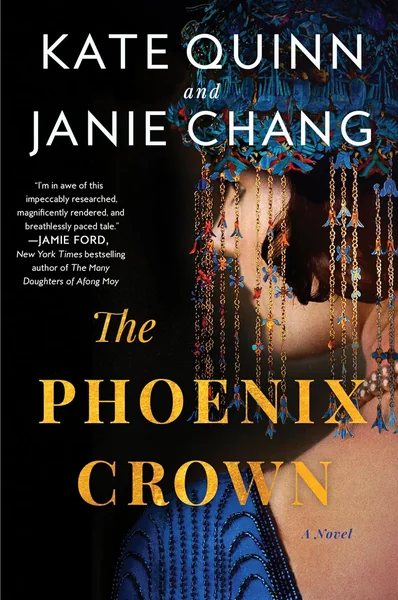
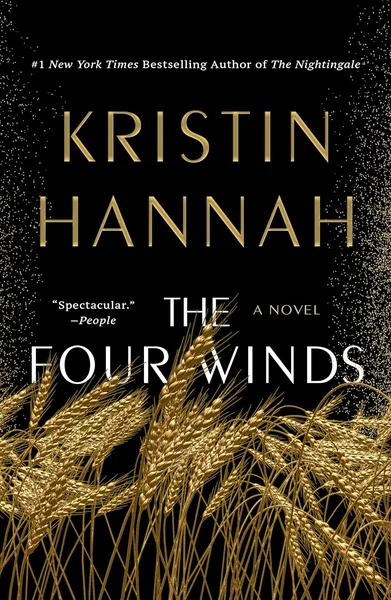
- Readers who connect with this book's blend of a woman in medicine, disaster, and found family should look next at Kristin Hannah's The Women and The Four Winds — the closest matches in tone and ambition — and at The Phoenix Crown by Kate Quinn and Janie Chang, another female-led historical novel built around a real catastrophe. The Downstairs Girl by Stacey Lee and The Book Club for Troublesome Women by Marie Bostwick offer similarly spirited heroines navigating restrictive eras. And devotees of Skenandore herself can turn to her earlier The Second Life of Mirielle West, praised by critics for its diligent research and empathetic portrait of forced medical isolation.
- Who should read this?
- The book is aimed unambiguously at the book-club historical fiction readership: those who want a heroine to root for, a vividly rendered period world, an ensemble of lovable outsiders, and a finale in which history itself crashes through the story. It's built precisely for fans of Kristin Hannah, Ellen Marie Wiseman, and Audrey Blake, and for existing Skenandore readers who recognize her signature pairing of a woman in medicine with a well-researched historical pressure point. It's less suited to anyone expecting a light romp through medicine-show Americana.
- Is it a good book club pick?
- Yes, with one caveat. The novel hands a discussion group plenty to work with: Tucia's arc from disgrace to agency, the ethics of the medicine-show world versus legitimate medicine, the found family of performers, and the moral weight of staging a climax against a real catastrophe that killed thousands. The caveat is content: the controlling relationship with Huey and the storm's devastation make for heavier discussion than a typical feel-good pick. Groups that embraced Kristin Hannah's disaster-and-endurance novels will find this a natural fit.
- Is it based on a true story?
- The characters are fictional, but the two pillars of the story are drawn from genuine history. The traveling medicine show was a real fixture of turn-of-the-century American life — part entertainment, part fraud, and an awkward cousin to legitimate medicine as the profession consolidated its authority. The Galveston hurricane of September 1900 was entirely real and remains the deadliest natural disaster in United States history, killing thousands and erasing much of the city. Skenandore's established reputation is for exactly this kind of scrupulous research.
- Where should I start with this author?
- There's no wrong door. The Medicine Woman of Galveston is her highest-stakes canvas to date and a strong entry point if the medicine-show and hurricane premise appeals. Readers who'd rather start with her established critical reputation can begin with The Second Life of Mirielle West, which earned specific praise for diligent research and an empathetic depiction of those subjected to forced medical isolation. Either way, the signature is consistent: a woman in medicine tested by a meticulously researched historical pressure point.
Summarize this book
Follow up
Synthesized from verified book data & published reviews · How we review
What would you like to know about The Medicine Woman of Galveston?
Answers come from our editorial notes on this book. If we haven't covered something, we'll say so.
Readers often ask
Our Review
We review the evidence: published critics, reader verdicts and BookTube reviews, gathered and weighed with AI assistance and edited by LuvemBooks, rather than one reader's first-hand take.
What the Book Is
The Historical Frame
Where Its Strengths Lie
What to Know Going In
Who It Is For
Sources & Further Reading
The key facts and claims in this review are grounded in the retrieved, verified sources listed below.
- Cited in this review
- 1
amandaskenandore.com
- 2
- Further reading
- 3
- 4
bookclubs.com
- 5
- 6
allaboutromance.com
- 7
- 8
barnesandnoble.com
Age & Reading Level
Recommended age
Adult
3 content notes · who it suits
Content to know about
Best for: Adult readers — coercive control, trauma, and a mass-casualty disaster climax make this adult fiction rather than teen fare
Skip if you want a light, breezy medicine-show romp — this is a bruising story of coercion, disgrace, and a catastrophe that killed thousands
Reader reviews
Be one of the first readers to answer.
Read it? Was it right for you?
Books like The Medicine Woman of Galveston
Curated picks for readers who enjoyed The Medicine Woman of Galveston, with our reasoning for each match.
If you liked The Medicine Woman of Galveston