At a glance
About the Author
Ellen Marie Wiseman1 book reviewed
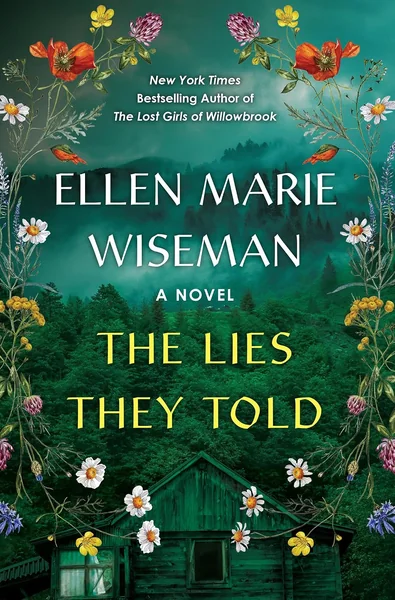
The Lies They Told
by Ellen Marie Wiseman
LuvemBooks Verdict
Best for: Historical fiction readers — especially fans of Wiseman's earlier novels and book clubs — who want slow-burn immersion in an under-examined chapter of American history (Virginia's eugenics-era forced sterilizations) rather than a propulsive plot.
Worth it? Skip it? Read the full verdict →Ask LuvemBooks
Was this helpful?
- Is it worth reading?
- For the right reader, yes. Early coverage is strikingly positive on craft — Publishers Weekly, quoted in the publisher's publicity, calls it "harrowing" and a "clear-eyed and resonant portrait of an ignominious era," and a Susquehanna University reviewer called it "one of the most immersive books I've ever read," praising Wiseman's dialect detail. The consistent caveat is pacing: the same reviewer flagged flagging momentum around the 130-page mark, where plot takes a back seat to atmosphere. The consensus of available commentary is that the investment pays off — but only for readers willing to settle into a slow burn.
- Similar books
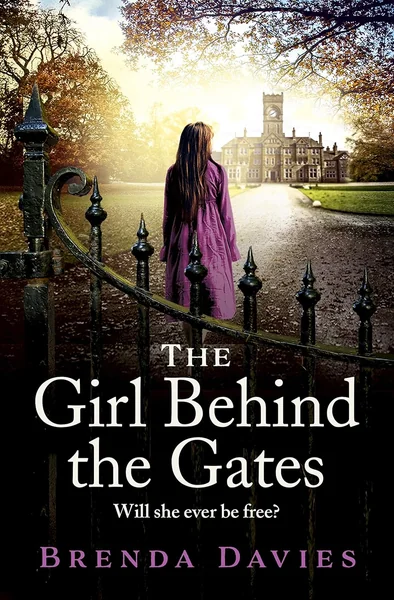
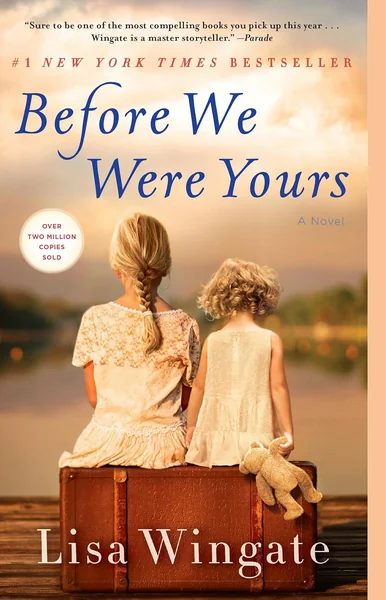
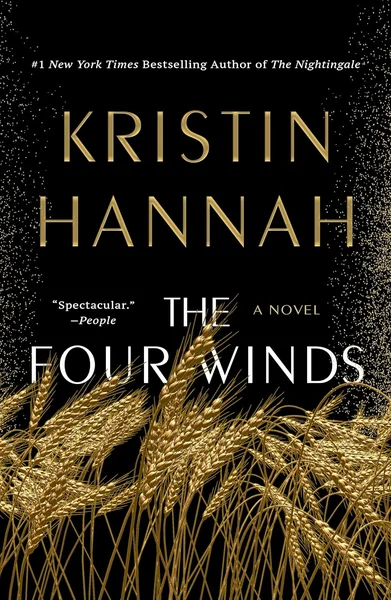
- Readers drawn to Wiseman's terrain — institutional cruelty visited on the powerless — have strong options. The Girl Behind the Gates by Brenda Davies tackles the same eugenics-era scandal of women institutionalized as "unfit," while Necessary Lies by Diane Chamberlain dramatizes forced sterilization in the American South. Before We Were Yours by Lisa Wingate offers another fact-based story of a state system preying on vulnerable families, and The Four Winds by Kristin Hannah delivers the same immersive, injustice-driven Depression-era atmosphere. Wiseman's own The Orphan Collector is the natural next stop for readers who want more of her work.
- Who should read this?
- Historical fiction readers who want to inhabit an era fully and who are drawn to stories of injustice that mainstream history often skips — the Susquehanna review frames it as ideal "for those wanting to immerse themselves in a particular time period alongside a terrible injustice." Book clubs and readers of Wiseman's earlier novels (The Orphan Collector, The Lost Girls of Willowbrook, Coal River, The Plum Tree) are the natural audience. Newcomers should know they are signing up for immersion, not a thriller.
- Is it a good book club pick?
- Yes — book clubs are explicitly identified as a natural audience. The novel offers rich discussion material: a documented historical injustice many readers never learned about, plus timely questions of who gets to decide whose life has value and how the state treats the foreign-born poor. The one practical caveat for clubs is pacing — groups should set expectations about the deliberately slow first stretch so members don't stall around the 130-page mark.
- How historically accurate is it?
- The novel's backdrop is documented history, faithfully rendered. Virginia's 1924 Eugenical Sterilization Act authorized the forced sterilization of people deemed "feebleminded," a law upheld by the U.S. Supreme Court in the notorious 1927 Buck v. Bell decision; tens of thousands of Americans were sterilized under such state programs, and Virginia's remained in force into the 1970s. Wiseman dramatizes that machinery from the perspective of someone squarely in its crosshairs, and Publishers Weekly's quoted description — a "clear-eyed and resonant portrait of an ignominious era" — speaks to that grounding.
- Where should I start with this author?
- The Lies They Told fits a clear pattern in Wiseman's body of work, so there are several strong entry points. The Orphan Collector is her best-known novel and the most popular starting point; her debut The Plum Tree established her signature terrain of ordinary people caught in historical cruelty. Coal River and The Lost Girls of Willowbrook round out a catalogue built on institutional injustice visited on the powerless. Readers drawn specifically to the eugenics subject matter can start here without missing anything — the novels are standalones.
Summarize this book
Follow up
Synthesized from verified book data & published reviews · How we review
Press Enter to ask. Answers come from our editorial Q&A — start typing to see related questions.
Age & Reading Level
Recommended age
Adult
Reading level
Adult
3 content notes · who it suits
Content to know about
Best for: Adults — the novel centers on forced sterilization and state coercion of a vulnerable immigrant mother, written for an adult historical fiction readership
Skip if you prioritize a propulsive plot over period immersion — the first stretch is deliberately slow, and the subject matter is harrowing rather than comforting
Editorial Review
Ellen Marie Wiseman's The Lies They Told follows Lena, a young German immigrant who arrives in 1930s rural Virginia with her baby and collides with America's eugenics movement. Praised for its immersive period detail, it moves slowly but lands hard.
Read the Full ReviewBooks like The Lies They Told
Curated picks for readers who enjoyed The Lies They Told, with our reasoning for each match.
If you liked The Lies They Told