At a glance
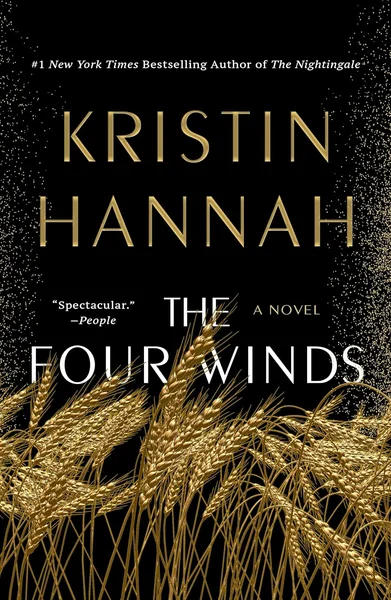
The Four Winds
LuvemBooks Verdict
Best for: Readers who love emotionally driven, female-centered historical fiction and want an unflinching saga of Depression-era and Dust Bowl hardship anchored by a resilient protagonist whose arc from outcast to survivor delivers sustained cathartic power.
Worth it? Skip it? Read the full verdict →Ask LuvemBooks
Was this helpful?
- Is it worth reading?
- For readers who respond to emotionally driven historical fiction built around a resilient female protagonist, The Four Winds operates at exactly the register Kristin Hannah's readership has come to expect — and its portrait of Dust Bowl displacement, migrant hardship, and the collapse of the American Dream carries a weight that resonates well beyond the 1930s setting. Elsa Martinelli's arc, from family outcast to courageous survivor with what Kirkus Reviews calls 'an iron core of character and courage,' is the engine that has driven its extraordinary readership. However, readers who prioritize narrative restraint, psychological complexity, or prose that subverts genre expectation are likely to find its emotional directness and accumulation of historical set pieces overwhelming rather than cathartic — Kirkus positions it squarely as a book for 'devoted Hannah fans in search of a good cry.'
- Similar books
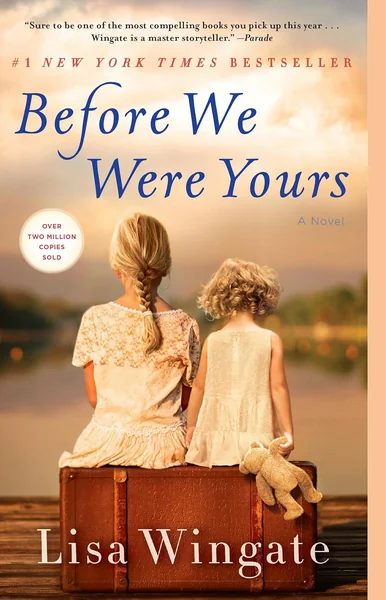
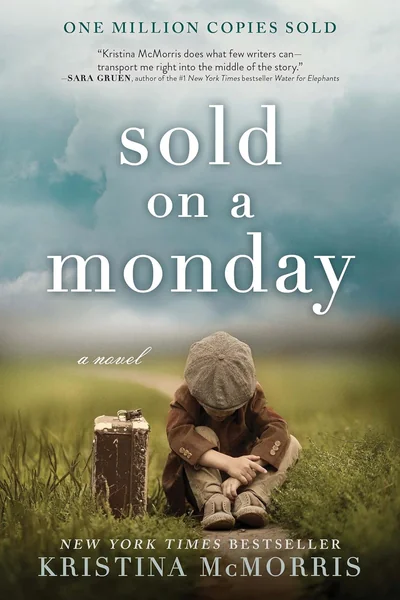
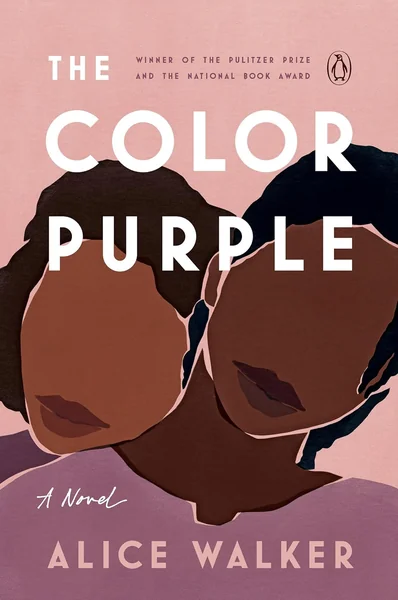
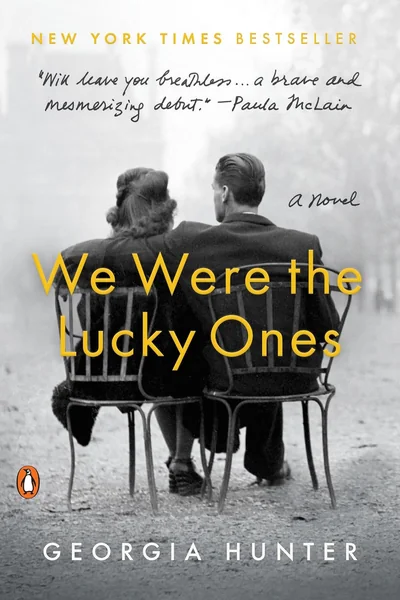
- Readers drawn to The Four Winds' blend of female-centered survival and vividly rendered American history will find strong companions in the curated titles below. Before We Were Yours by Lisa Wingate similarly excavates a dark chapter of American history — Depression-era child trafficking — through the lens of women fighting to protect family bonds. Sold on a Monday by Kristina McMorris is also set in the Depression era and centers on a female journalist whose choices carry lasting moral weight. We Were the Lucky Ones by Georgia Hunter follows a Jewish family's fight for survival across World War II Europe with the same unflinching emotional commitment Hannah brings to the Dust Bowl. The Color Purple by Alice Walker shares The Four Winds' portrait of a woman rising from contempt and hardship into hard-won selfhood, though in a different time and place.
- Who should read this?
- The Four Winds is written for adult readers who love emotionally driven, character-anchored historical fiction — particularly those already drawn to Kristin Hannah's earlier work in The Nightingale or The Great Alone, or to sweeping American epics in the tradition of The Grapes of Wrath. Readers who come to historical fiction for cathartic emotional power, resilient female protagonists, and an unflinching look at real American crises will find this novel operating at full register. It is not the right fit for readers who prefer narrative restraint, understated characterization, or prose that subverts genre expectation — Kirkus Reviews is direct that the novel's ambitions can produce melodramatic scenes and clichéd emotions.
- What are the main themes?
- At its core, The Four Winds is a novel about survival, sacrifice, and the fragility of the American Dream — Elsa Martinelli's journey from dismissed outcast to courageous protector of her children traces what the publisher calls 'the courage and sacrifice that define a generation.' The novel also confronts the political and economic machinery that crushed Depression-era migrant workers: labor exploitation, union-busting violence, hunger riots, bigotry, and the gap between America's self-image and its treatment of its most desperate citizens. Running beneath these historical themes is an intimate story of belonging — Elsa finds in the Martinelli family the acceptance her own family denied her, and her fierce attachment to that bond drives every sacrifice she makes.
- How does it compare to The Nightingale?
- Both The Four Winds and The Nightingale center on women navigating extreme historical crises — wartime occupied France in The Nightingale, Depression-era Texas and California in The Four Winds — and both reflect Hannah's signature approach: emotionally direct, female-centered historical fiction with high stakes and harrowing subject matter. The Four Winds shifts the setting to distinctly American ground, giving it a different historical texture rooted in the Dust Bowl, migrant labor exploitation, and the collapse of the American Dream rather than Nazi occupation. Readers who loved The Nightingale for its emotional power and resilient female protagonists will find The Four Winds thematically adjacent, though some critics find the American novel's didactic historical ambitions more pronounced.
- About Kristin Hannah
- Born in 1960, Kristin Hannah has become one of America's most beloved contemporary novelists, captivating millions of readers with her emotionally powerful storytelling.
Summarize this book
Follow up
Synthesized from verified book data & published reviews · How we review
Press Enter to ask. Answers come from our editorial Q&A — start typing to see related questions.
Age & Reading Level
Recommended age
Adult
Reading level
Adult
5 content notes · who it suits
Content to know about
Skip if you find unrelenting historical sorrow and emotional directness exhausting rather than cathartic.
Editorial Review
Kristin Hannah's historical fiction novel The Four Winds follows Elsa Wolcott Martinelli from Dalhart, Texas, in 1921 through the Dust Bowl catastrophe of the 1930s, tracing one woman's fierce determination to survive for her children against a backdrop of drought, displacement, and economic collapse. Named the Bestselling Hardcover Novel of the Year by Publishers Weekly, it is a sweeping American epic with genuine emotional power — though Kirkus Reviews notes that its historical ambitions occasionally tip into the didactic.
Read the Full ReviewBooks like The Four Winds
Curated picks for readers who enjoyed The Four Winds, with our reasoning for each match.
If you liked The Four Winds