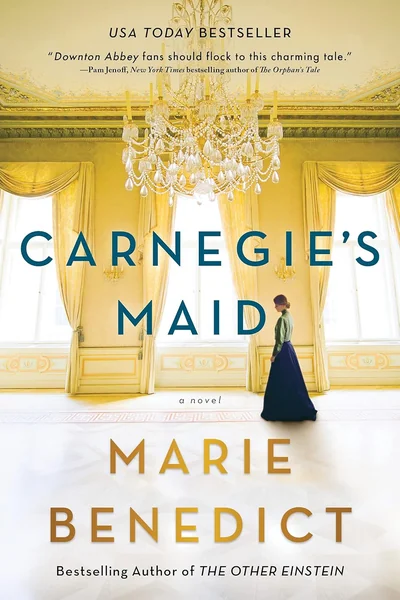
Carnegie's Maid: A Riveting Historical Fiction Book Club Pick
An Irish immigrant posing as a lady's maid becomes entangled with industrialist Andrew Carnegie's household in Gilded Age Pittsburgh, in a novel imagining a woman's hidden influence on one of history'
Read our full reviewAt a glance

LuvemBooks Verdict
Best for: Readers who enjoy women's-lens historical fiction set in immigrant or Industrial-era America — particularly those who like stories of hidden female agency behind famous male legacies — and who are looking for a propulsive, discussion-ready book club pick.
Worth it? Skip it? Read the full verdict →Ask LuvemBooks
Was this helpful?
- Is it worth reading?
- For readers drawn to women's-lens historical fiction set in immigrant America or the Industrial-era class divide, Carnegie's Maid is a reliable and rewarding choice — it delivers propulsive pacing, a concrete central conflict, and a social backdrop rich with Gilded Age Pittsburgh's steel mills and stark class divisions. Its USA Today bestseller status reflects genuine broad appeal. The primary caveat is that some readers rate it in the mid-range rather than as a standout, suggesting it satisfies as entertaining, premise-driven historical fiction more than as a deeply layered literary work.
- Similar books
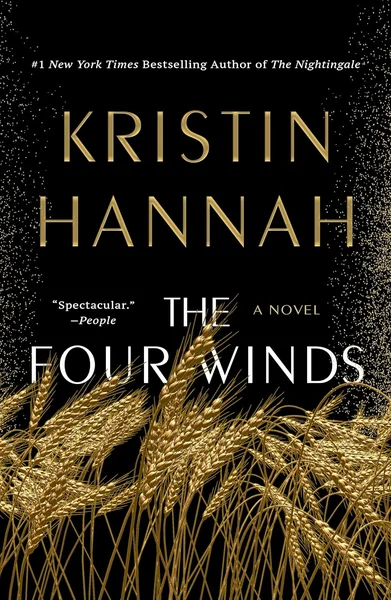
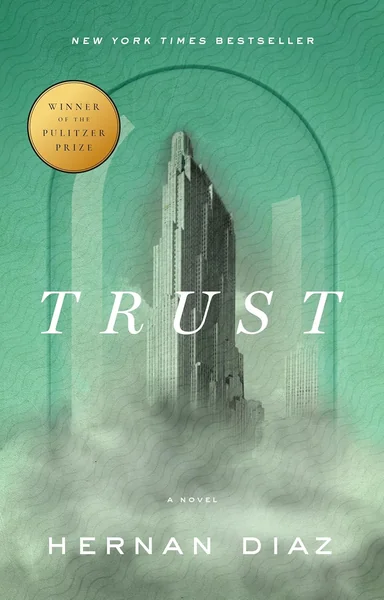
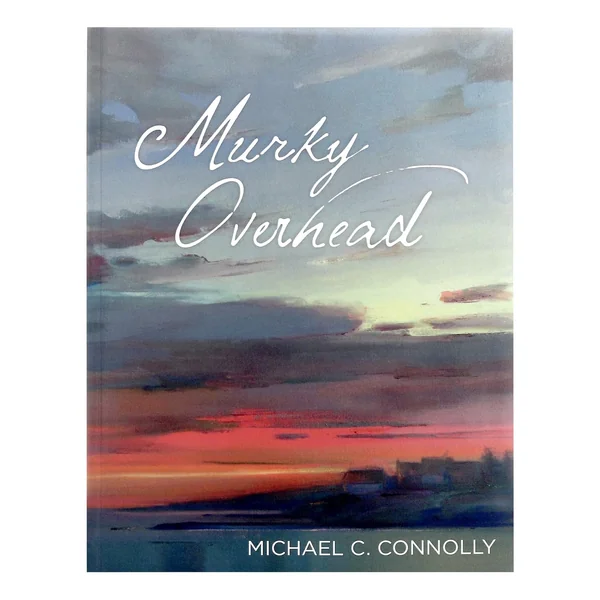
- Readers who enjoy Carnegie's Maid will likely gravitate toward several titles in the same vein. Stacey Lee's The Downstairs Girl similarly centers a marginalized young woman navigating class and identity in a period American setting. For Irish immigrant experience woven through historical fiction, Michael C. Connolly's Murky Overhead covers life on both sides of the Atlantic across generations of an Irish immigrant family. Hernan Diaz's Trust and Geraldine Brooks's March both engage with wealth, class, and history through inventive fictional frameworks, while Kristin Hannah's The Four Winds offers another sweeping portrait of hardship and resilience in American history.
- Who should read this?
- Carnegie's Maid is squarely aimed at adult readers of women's-lens historical fiction — particularly those drawn to stories set in immigrant America or the Industrial-era class divide. Fans of Marie Benedict's other work, including The Only Woman in the Room, will recognize her signature approach and find it delivers exactly what it promises. Book clubs are a natural fit, given the novel's propulsive pacing, clear central conflict, and the rich discussion territory opened by its speculative premise around Carnegie's philanthropic transformation.
- About Marie Benedict
- Heather Benedict Terrell is an American novelist and lawyer who writes some of her novels under the pen name Marie Benedict.
- What are the main themes?
- Carnegie's Maid engages several interlocking themes: immigrant survival and family loyalty, as Clara's assumed identity and every wage she earns are driven by her need to support her family back in Ireland; class and economic precarity, through the stark contrast between domestic proximity to power in the Carnegie household and the struggles of laborers — including Clara's own extended family — in Pittsburgh's steel economy; and female agency hidden within history, as Benedict's central premise asks what role an unseen woman's intelligence and resolve may have played in shaping Carnegie's documented turn toward large-scale philanthropy.
- How historically accurate is it?
- Carnegie's Maid is honest about its speculative nature — Clara Kelley is an invented figure inserted into the biography of one of the most documented industrialists in American history, and the novel's central causal claim (that she spurred Carnegie's philanthropic transformation) is, by design, unverifiable. What Benedict does ground carefully in historical record is the broader context: Irish immigration, the shadow of famine, the American Civil War era, and the rise of Pittsburgh's industrial economy all give Clara's story a credible sense of time and place. Readers expecting the rigorous fidelity of biography will find a fictional framework doing substantial imaginative work.
Summarize this book
Follow up
Synthesized from verified book data & published reviews · How we review
Press Enter to ask. Answers come from our editorial Q&A — start typing to see related questions.
Age & Reading Level
Recommended age
Adult
Reading level
Adult
2 content notes · who it suits
Content to know about
Skip if you're looking for rigorously grounded historical biography rather than speculative, premise-driven fiction.
Editorial Review
Marie Benedict's Carnegie's Maid is a USA Today bestseller that imagines the fictional Irish immigrant Clara Kelley as a hidden force behind Andrew Carnegie's transformation from industrial titan to history's great philanthropist — a propulsive premise that makes it a natural choice for historical fiction book clubs.
Read the Full ReviewBooks like Carnegie's Maid
Curated picks for readers who enjoyed Carnegie's Maid, with our reasoning for each match.
If you liked Carnegie's Maid