The Nightingale by Kristin Hannah is a historical fiction novel set in German-occupied France, following two estranged sisters — Vianne Mauriac and Isabelle Rossignol — as they take vastly different paths through survival and resistance during World War II. A #1 New York Times bestseller translated into 45 languages with more than 4.5 million copies sold, it stands as one of the defining WWII novels of the past decade.
Readers drawn to emotionally immersive, women-centred WWII historical fiction who want a dual-narrative structure that honours both dramatic Resistance heroism and quieter domestic courage under occupation.
Worth it if
Worth reading if you want a sweeping, historically grounded story that centres women's wartime experience — the kind of novel that prioritises emotional catharsis and compelling character contrast over austere moral ambiguity.
Skip if
Skip it if you come to WWII fiction seeking formal experimentation or the morally unsparing register of literary history, as Kirkus Reviews specifically warns that Hannah's tendency to sentimentalize undermines the full gravitas of the material.
What readers & critics say
Kirkus Reviews praised its granular picture of how the occupation dismantled French civilian life. Audible's editorial coverage confirms the novel spent 20 weeks on the New York Times bestseller list and won the Goodreads Choice Award for Historical Fiction in 2015.
“A respectful and absorbing page-turner — an homage to the extraordinary courage and endurance of Frenchwomen during World War II.”
The Nightingale is Kristin Hannah's acclaimed 2015 historical novel following two estranged sisters — Vianne Mauriac and Isabelle Rossignol — whose divergent paths through German-occupied France illuminate both the dramatic heroism of the French Resistance and the quieter, equally harrowing courage of domestic survival. It centers the often-overlooked women's wartime experience with emotional force and narrative drive. Readers seeking morally austere or formally experimental WWII fiction should note that Kirkus Reviews specifically flags Hannah's tendency to sentimentalize as a limitation, but for those drawn to sweeping, character-centered historical fiction, the novel delivers compellingly.
Is it worth reading?
For readers drawn to emotionally driven historical fiction centered on women's experience, The Nightingale is a compelling and widely celebrated choice: it became a #1 New York Times bestseller, earned the Goodreads Best Historical Novel of the Year, and was named the #1 Indie Next Selection, with critics including Shelf Awareness praising Hannah's skill with 'complex and enduring family ties.' Its dual-protagonist structure gives genuine narrative weight to both Isabelle's overt Resistance heroism and Vianne's quieter but equally consequential domestic courage, filling a real gap in the popular WWII fiction canon. The key caveat, raised by Kirkus Reviews, is that Hannah's 'tendency to sentimentalize undermines the gravitas of this tale' — readers who prefer morally austere or structurally experimental WWII fiction may find the emotional register too accessible.
Similar books
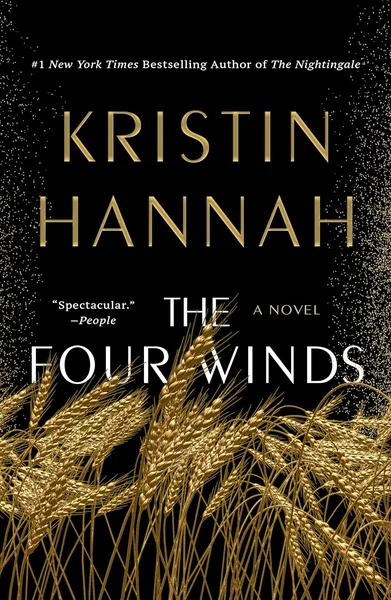
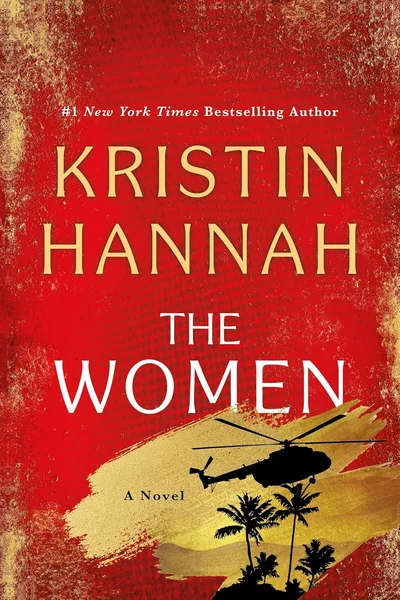
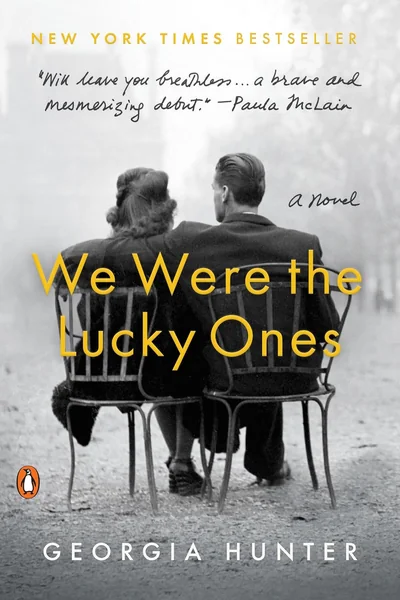
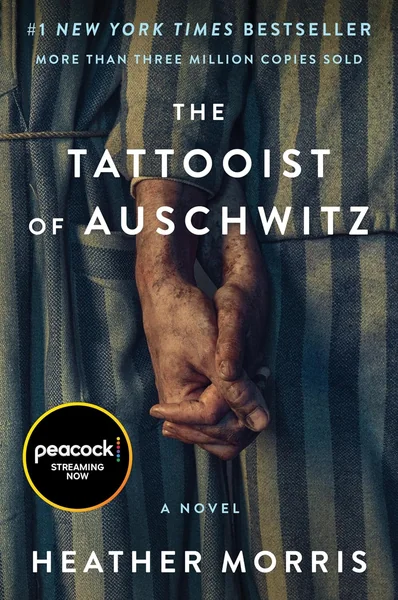
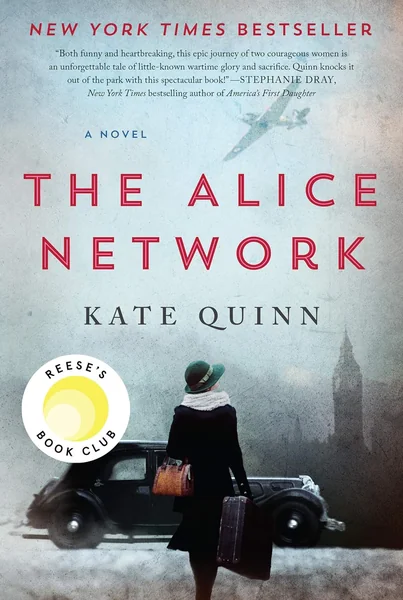
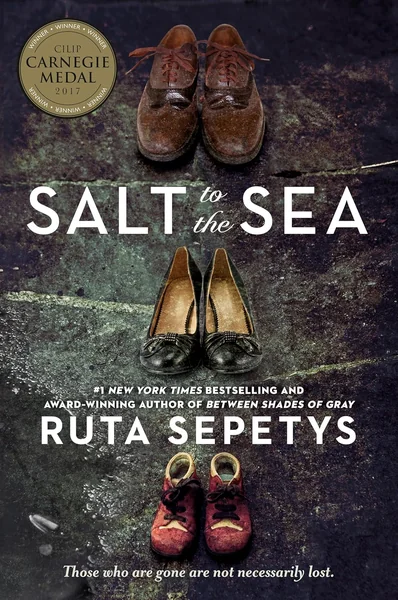
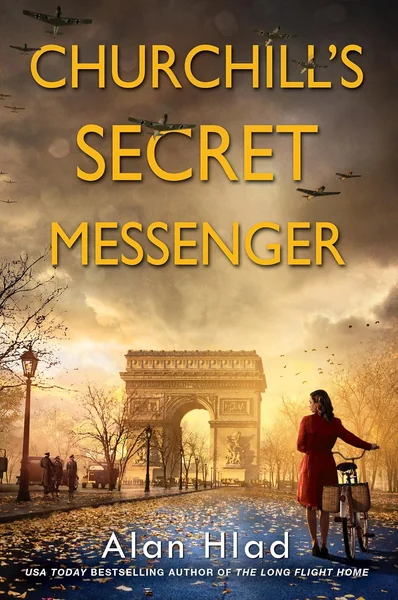
Readers who connect with The Nightingale's focus on women navigating war and historical trauma will find strong companions in the curated titles below. Kate Quinn's The Alice Network follows female spies across two World Wars with a similarly dual-timeline structure, while Heather Morris's The Tattooist of Auschwitz and Georgia Hunter's We Were the Lucky Ones offer emotionally grounded, character-centered accounts of Jewish survival under Nazi persecution. For more Kristin Hannah, The Four Winds brings her signature emotional intensity to the American Dust Bowl, and The Women: A Novel turns her lens on female Vietnam War veterans — both share The Nightingale's commitment to recovering women's overlooked wartime stories. Ruta Sepetys's Salt to the Sea and Alan Hlad's Churchill's Secret Messenger round out a rich shelf for WWII historical fiction readers.
Who should read this?
The Nightingale is best suited for adult readers who love emotionally driven historical fiction and are drawn to WWII narratives centered on women's experience rather than battlefield accounts. It's a strong fit for book club readers, fans of dual-protagonist structures, and anyone interested in the documented history of Nazi-occupied France — including the fate of French Jewish communities and the real escape networks of the Resistance. Bookseller Cherise Bailey of The Bookstore Plus described the perspective Hannah offers as 'awesome (yet devastating)' and likely to 'haunt' readers, which signals it works best for those prepared for emotional intensity. Readers who prefer formally experimental fiction or the moral austerity of writers like W.G. Sebald are less likely to find it satisfying.
About Kristin Hannah
Born in 1960, Kristin Hannah has become one of America's most beloved contemporary novelists, captivating millions of readers with her emotionally powerful storytelling.
Tell me about the adaptation
A film adaptation of The Nightingale is in production, with a planned 2027 release. Dakota Fanning and Elle Fanning are set to star as the two sisters, Vianne and Isabelle, with Michael Morris directing from a screenplay by Dana Stevens. No further production details have been confirmed publicly at the time of this review.
What are the main themes?
The Nightingale centers on women's wartime agency as its defining theme, deliberately recovering 'an intimate part of history seldom seen: the women's war,' as Macmillan's publisher description frames it. The contrast between Vianne's incremental domestic courage — hiding Jewish children, enduring occupation, protecting those in plain sight — and Isabelle's overt Resistance heroism as 'the Nightingale' allows the novel to argue that both forms of resistance carry equal moral weight. Sisterhood, survival, identity under erasure, and the machinery of occupation — including starvation, intimidation, and the deportation of Jewish communities — are woven throughout. Kirkus Reviews credited Hannah with showing how Nazi occupation worked 'through starvation, intimidation and barbarity both casual and calculated' to demoralize French civilian life.
Is this a good book club pick?
The Nightingale is widely considered an ideal book club selection, and its commercial reception — #1 New York Times bestseller, Goodreads Best Historical Novel of the Year, People's Choice Favorite Fiction — reflects its broad, passionate readership. The dual-protagonist structure naturally generates discussion: Vianne and Isabelle represent genuinely different but equally compelling moral choices under occupation, and the question of which form of resistance demands more courage is inherently debatable. The historical grounding in Nazi-occupied France, including the fate of Jewish communities and the real escape networks, provides rich factual context for deeper conversation, while the frame narrative — an elderly woman in 1995 receiving an invitation to a ceremony in France — gives book clubs an additional layer to unpack.
Summarize this book
Is it worth reading?
Who should read this?
About Kristin Hannah
Tell me about the adaptation
What are the main themes?
Is this a good book club pick?
Summarize this book
The Nightingale follows two estranged French sisters — Vianne Mauriac, a schoolteacher and mother in the Loire Valley village of Carriveau, and Isabelle Rossignol, a fiercely headstrong young woman — as they navigate German-occupied France during World War II. Vianne's resistance is domestic and incremental: enduring the billeting of Wehrmacht officers, hiding nineteen Jewish children in a nearby abbey, and secretly sheltering her deported best friend Rachel de Champlain's son Ari under the name Daniel. Isabelle takes a far more dangerous path, joining the French Resistance, adopting the code name 'the Nightingale,' and shepherding downed Allied airmen across the Pyrenees into Spain, a mission inspired by the real-world escape networks of figures such as Belgian organizer Andrée de Jongh. The novel's frame opens in 1995 with an elderly unnamed woman in Oregon receiving an invitation to a ceremony in France honoring passeurs — those who helped others escape — before pivoting to the 1939–1940s central narrative.
Follow up
What are the main themes?
How does it end?
Is the story based on real events?
Synthesized from verified book data & published reviews · How we review
Ask LuvemBooks
What would you like to know about The Nightingale?
Answers come from our editorial notes on this book. If we haven't covered something, we'll say so.
Readers often ask
Our Review
This review covers the book's content, premise and published critical reception, not a first-hand reading.
A #1 New York Times bestseller and one of the most widely read WWII novels of the past decade, The Nightingale earns its reputation through two compellingly distinct heroines and a determination to bring women's wartime experience to the fore.
What the Novel Is and What It Does
The Nightingale is a historical fiction novel, first published in 2015 by St. Martin's Press and subsequently issued in a paperback reprint edition by St. Martin's Griffin in 2017. It opens in 1995 with an elderly, unnamed woman in Oregon receiving an invitation to attend a ceremony in France honoring passeurs — those who helped others escape during the occupation — before pivoting to its central narrative in 1939–1940s France.
This frame structure, moving between first-person remembrance and third-person wartime action, anchors the novel's emotional stakes from its opening pages. Macmillan's publisher description frames the novel as capturing "an intimate part of history seldom seen: the women's war," and that stated design intent shapes everything from its dual-protagonist structure to its attention to the domestic machinery of occupation.
Two Sisters, Two Wars
The novel's architecture rests on the contrast between its two protagonists. Vianne Mauriac, the elder sister, is a schoolteacher and mother living in the Loire Valley village of Carriveau, who watches her husband Antoine shipped off to the front before German soldiers requisition her home, Le Jardin.
Her resistance is incremental and domestic: enduring billeting of Wehrmacht officers including the relatively decent Captain Wolfgang Beck and the brutal SS officer Von Richter, losing her teaching post, stretching dwindling food rations, and ultimately hiding nineteen Jewish children in a nearby abbey while secretly adopting her deported best friend Rachel de Champlain's young son Ari, renaming him Daniel to conceal his identity. Isabelle, the younger and more headstrong sister, takes a far more overtly dangerous course: she falls in with Gaëtan, a partisan, joins the French Resistance, and adopts the code name "the Nightingale" while shepherding downed Allied airmen across the Pyrenees into Spain — a mission inspired, according to Wikipedia's account of the novel's origins, by the documented wartime efforts of Belgian escape-line organizer Andrée de Jongh.
One passage from the novel captures Isabelle's transformation in a single line: "I am a soldier now, it seems."
Significance and Reception
Upon its February 2015 release, The Nightingale entered multiple bestseller lists and ultimately reached #1 on the New York Times list — a designation confirmed by Macmillan's own publisher page. It was also named a Best Book of the Year, the Goodreads Best Historical Novel of the Year, and the People's Choice Favorite Fiction winner, and earned the #1 Indie Next Selection.
As of 2021, it had been published in 45 languages and sold more than 4.5 million copies worldwide, figures that place it among the most commercially successful American historical novels of its era. A film adaptation, starring Dakota and Elle Fanning as the two sisters and directed by Michael Morris from a screenplay by Dana Stevens, is in production with a planned 2027 release.
What Hannah Does Well
Kirkus Reviews praised Hannah's ability to demonstrate how Nazi occupation worked at the granular level — "through starvation, intimidation and barbarity both casual and calculated" — to demoralize communities and enable the deportation and death of more than 70,000 Jews in France. The dual-narrative structure allows the novel to show both the visible, dramatic resistance of the Resistance fighter and the quieter, equally consequential choices of those who sheltered, hid, and protected in plain sight.
Marilyn Dahl, writing for Shelf Awareness, described it as "built on Kristin Hannah's proven skill with story, complex and enduring family ties, and passion," and identified it as a work designed to "captivate readers and create an even larger audience" for Hannah. Bookseller Cherise Bailey of The Bookstore Plus called the perspective Hannah offers "awesome (yet devastating)" and noted it as one likely to "haunt" readers.
Ayesha from Ayesha Syed reviews The Nightingale
Ayesha reviews Kristin Hannah's World War II novel The Nightingale, praising its depiction of women's wartime heroism and emotional storytelling.
Their views, not ours. The points are our AI summary of what they say, each playing from where they say it.
Overcoming resistance to historical fiction
Ayesha typically avoids historical fiction due to past negative experiences and the painful realities depicted, but this novel helped change their view of the genre.
Focus on women during wartime
Ayesha appreciated the author highlighting the bravery, resilience, and overlooked contributions of women facing the hardships of war.
Seamless shifts in perspective
While jumping between different points of view usually irritates them, Ayesha found the alternating chapters between Vianne and Isabelle remarkably fluid and natural.
Deeply moving emotional resonance
The nuanced depiction of family relationships, particularly between Isabelle and her father, created an intense emotional connection that made Ayesha laugh and cry.
Genuine Limitations to Consider
For all its ambition, Kirkus Reviews offered a specific and pointed reservation: Hannah's "tendency to sentimentalize undermines the gravitas of this tale." That critique is worth weighing seriously.
A novel committed to emotional accessibility — one that frames itself, in the publisher's own words, as "a novel for everyone, a novel for a lifetime" — necessarily risks smoothing the rougher edges of historical horror into something more palatable. Readers who come to WWII fiction seeking the austere moral complexity of, say, W.G. Sebald may find the novel's emotional register pitched deliberately toward the sweeping and the cathartic.
That is a deliberate authorial and commercial choice, not an accident, but it is one that shapes what kind of book this is — and for whom it works best.
Sources & Further Reading
The key facts and claims in this review are grounded in the retrieved, verified sources listed below.
Nazi occupation and systematic persecution of Jewish communities
deportation and death of civilian populations
wartime violence and sexual assault under occupation
child endangerment and loss
Best for: Adults / mature 16+ — depicts Nazi occupation, deportation, wartime violence, and the systematic persecution of Jewish communities in France with sustained emotional intensity.
Skip if you're looking for morally austere or formally experimental WWII fiction rather than emotionally sweeping, character-driven historical narrative.
From our readers
Reader reviews
Be one of the first readers to answer.
Read it? Was it right for you?
Books like The Nightingale
Curated picks for readers who enjoyed The Nightingale, with our reasoning for each match.