

7 min read
4.6
· 23,503 Amazon ratingsFeatured In
Share This Review
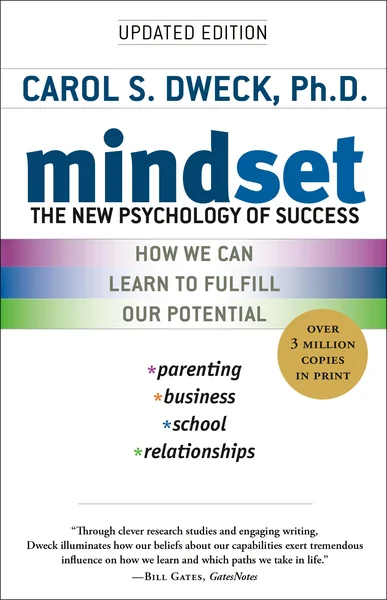
Mindset: The New Psychology of Success by Carol S. Dweck Review: A Million-Copy Bestseller Still Essential Today
Carol S. Dweck's Mindset: The New Psychology of Success is a landmark work of popular psychology from a Stanford University researcher that has sold over a million copies, introducing a generation of readers to the distinction between fixed and growth mindsets and arguing that how people think about their abilities shapes nearly every domain of their lives — from school and work to sports, leadership, and relationships.
LuvemBooks Verdict
Best for
Curious general readers — whether in education, business, sport, or parenting — who want a research-grounded introduction to how beliefs about ability shape achievement across virtually every life domain.
Worth it if
You want a single, coherent psychological framework — backed by decades of Stanford research and illustrated across school, sport, leadership, and relationships — that you can genuinely apply to your own thinking and behaviour.
Skip if
You're already well-versed in the academic literature on self-theories, or you need detailed institutional protocols for deploying growth-mindset interventions in classrooms or organisations — this general-audience overview won't go deep enough.
What readers & critics say
Critical coverage, as quoted on annas-archive.org, praised Dweck's "wonderfully elegant idea" and called it "a serious, practical book," welcoming her assertion that rigid thinking benefits no one and that a change of mind is always possible. Psychiatryresource.com found it "a fascinating and popular book" while also noting that some critics have been unable to replicate her research in educational settings — a caveat that underscores the gap between the book's accessible framework and the more contested science that has followed it.
Sources: psychiatryresource.com, annas-archive.orgAsk LuvemBooks
Was this helpful?
- Is it worth reading?
- For general readers curious about the psychology of achievement and motivation, Mindset is widely considered essential reading — it has sold over a million copies and earned endorsements from figures such as Bill Gates, who wrote that Dweck's work illuminates 'how our beliefs about our capabilities exert tremendous influence on how we learn and which paths we take in life.' Its unusual breadth — applying the same coherent framework to sports, leadership, relationships, and parenting — makes it more broadly useful than most self-help titles. Those already steeped in the academic literature on self-theories may find the popular-audience format too simplified, and readers seeking step-by-step implementation protocols will need to supplement it with more technical resources.
- Who should read this?
- Mindset is well-suited to a remarkably wide range of readers: educators, parents, coaches, managers, athletes, and anyone interested in the psychology of learning and achievement. Because Dweck applies the same framework to school, sports, leadership, relationships, and parenting, readers across very different life stages and professional contexts have found it actionable — which helps account for its sustained bestseller presence long after its 2006 publication. Readers who want a rigorous but accessible entry point into motivation psychology will find it an ideal starting place; those seeking highly technical or protocol-driven guidance should treat it as a foundation and look to additional resources.
- Similar books
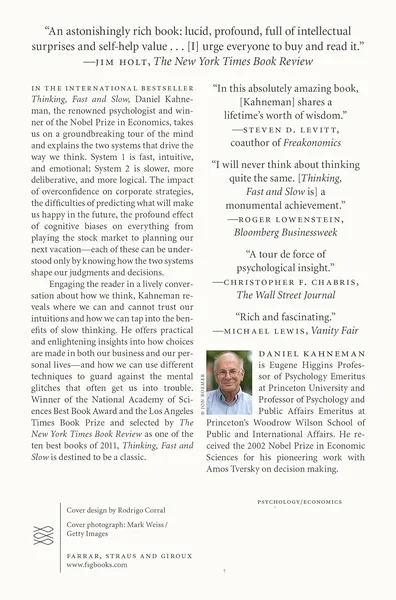
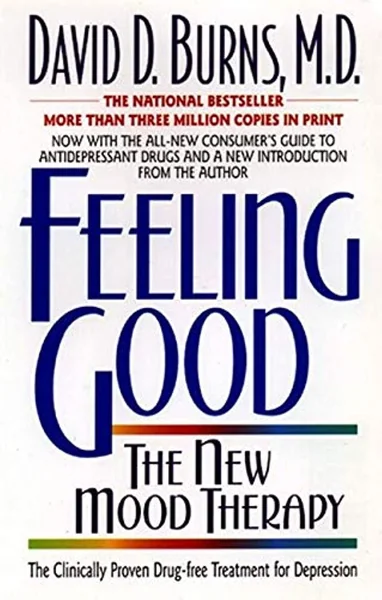
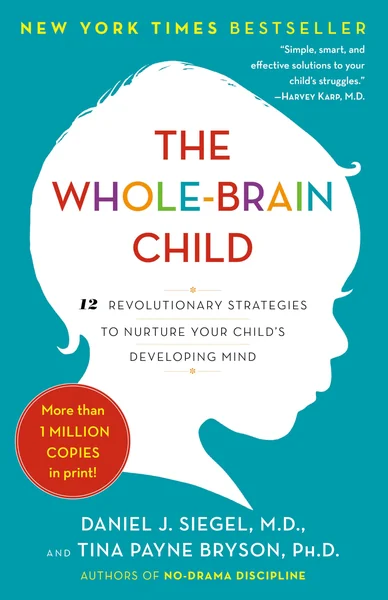
- Readers who connect with Mindset often find natural next reads in several directions. Angela Duckworth's Grit: The Power of Passion and Perseverance explores the related idea that sustained passion and perseverance — not innate talent — drive achievement, making it a direct companion to Dweck's work. Daniel Kahneman's Thinking, Fast and Slow is a deeper dive into the cognitive systems that drive human decision-making and belief, while Daniel H. Pink's Drive: The Surprising Truth About What Motivates Us examines the science of intrinsic motivation. James Clear's Atomic Habits offers a practical, habit-based framework for behavioral change that complements the mindset shift Dweck describes. For readers interested in applying similar psychological insights to parenting and child development, The Whole-Brain Child by Daniel J. Siegel and Tina Payne Bryson is a natural follow-on.
- About Carol S. Dweck
- Carol S. Dweck, Ph.D., is an American psychologist and author best known for her research on mindset, motivation, and success. She coined the term "growth mindset" and brought it mainstream with her 2006 book Mindset: The New Psychology of Success. She has held professorships at Columbia and Harvard Universities, has lectured worldwide, and is married to David Goldman, a national theatre director.
- What are the main themes?
- The central theme of Mindset is the power of belief about ability: Dweck argues that whether a person holds a fixed mindset (talents are static and must be proven) or a growth mindset (abilities can be developed through effort) shapes outcomes across virtually every life domain. Related themes include the psychology of achievement and failure, how praise and feedback from parents, teachers, and coaches can reinforce either orientation, and the role of effort and resilience in reaching potential. The book also explores how mindset manifests in organizational leadership — using figures such as Jack Welch and Lee Iacocca as contrasting examples — and in intimate relationships, examining whether people seek partners who shore up their self-esteem or partners who challenge and help them grow.
- How scientifically credible is it?
- Mindset stands out among popular-psychology titles for its grounding in Dweck's own original research, conducted over decades at Stanford University in personality, social, and developmental psychology. The book draws on structured academic studies — including well-documented research involving elementary-school children and puzzle difficulty — rather than relying on anecdote-driven self-help. That said, the popular-audience format necessarily simplifies a research base that has accumulated significant nuance and debate since the book's original publication, and some readers in social science and education who have followed subsequent discussions about replication and implementation of growth-mindset interventions have noted that translating the concept from lab to classroom is more complex than the book can fully capture.
Summarize this book
Follow up
Synthesized from verified book data & published reviews · How we review
Press Enter to ask. Answers come from our editorial Q&A — start typing to see related questions.
Age & Reading Level
Recommended age
Adult
Reading level
Adult
who it suits
Skip if you're looking for a detailed, step-by-step implementation guide for applying growth-mindset principles in classrooms or organizations.
Our Review
What the Book Actually Argues
Scope and Structure
Reception and Significance
Genuine Strengths
Who May Find Limitations Here
Sources & Further Reading
The key facts and claims in this review are grounded in the retrieved, verified sources listed below.
- Cited in this review
- 1
- 2
- 3
static1.squarespace.com
- Further reading
- 4
proemergency.com
- 5
- 6
- 7
- 8
newbookrecommendation.com
- 9
Books like Mindset
Curated picks for readers who enjoyed Mindset, with our reasoning for each match.
If you liked Mindset
Why It’s Trending
Mindset Is Having a Moment Again as Growth Mindset Talk Dominates Workplaces and Self-Improvement Culture
Carol Dweck's classic is back in conversation as the growth mindset framework keeps showing up in workplace culture, leadership discussions, and self-improvement communities. If you haven't read it yet, now is a great time to see where all that 'growth mindset' language actually comes from.