At a glance

LuvemBooks Verdict
Best for: Adults experiencing mild to moderate depression, anxiety, guilt, or procrastination who want a structured, evidence-based CBT framework they can work through independently — and therapists seeking a clinically credible bibliotherapy resource to recommend to clients.
Worth it? Skip it? Read the full verdict →Preview the book



Ask LuvemBooks
Was this helpful?
- Is it worth reading?
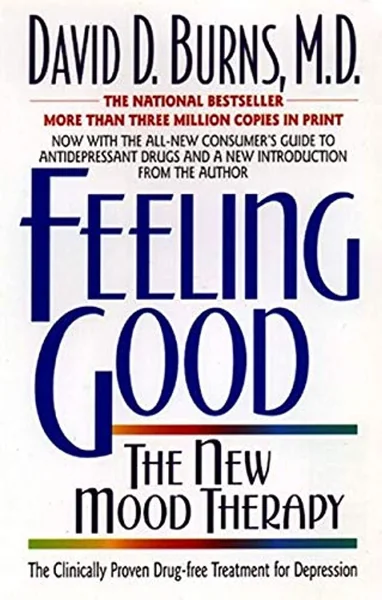
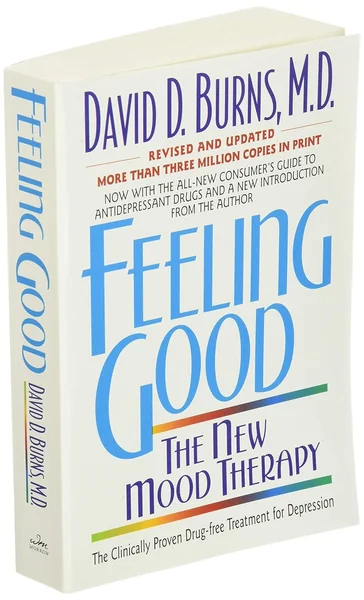
- For readers new to CBT who want a structured, evidence-based framework they can engage with independently, Feeling Good remains one of the most substantiated self-help titles available — a national survey of mental health professionals ranked it number one from a list of more than one thousand titles, a level of clinical endorsement that is genuinely uncommon in the genre. Its techniques are practical and concrete, covering depression, anxiety, guilt, procrastination, and low self-esteem within a unified framework, and its decades of use as a formal bibliotherapy tool give it a track record few self-help books can match. The main caveat is length: at 736 pages, readers seeking a quick overview may find it demanding, and those already well versed in CBT through therapy or more recent literature may find much of the foundational content familiar.
- Similar books
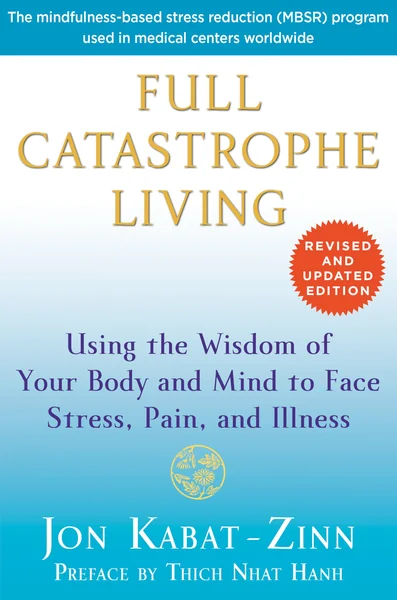
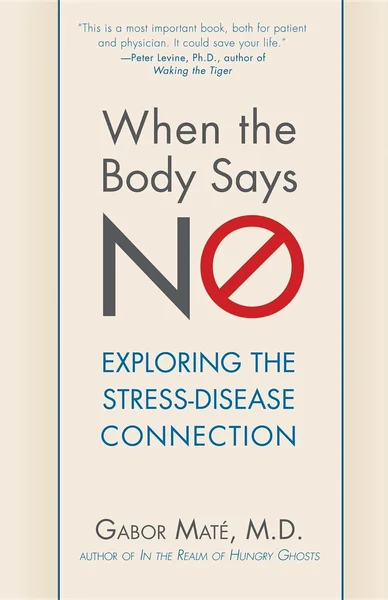
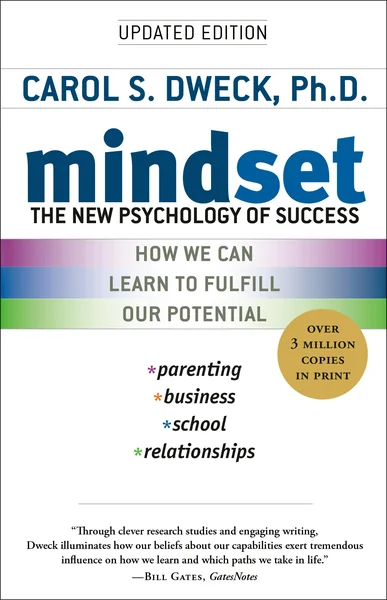
- Readers drawn to Feeling Good's evidence-based approach to mental wellness will find strong companions in the books curated alongside it on this page. Jon Kabat-Zinn's Full Catastrophe Living offers a mindfulness-based counterpart for managing stress, pain, and anxiety, while Eckhart Tolle's The Power of Now approaches mental quietude from a more spiritual angle. For readers interested in the mind-body connection, Gabor Maté's When the Body Says No explores how chronic stress manifests physically — a useful complement to Burns's cognitive focus. Carol S. Dweck's Mindset applies evidence-based psychology to self-perception and growth in a more accessible, shorter format, and Daniel J. Siegel and Tina Payne Bryson's The Whole-Brain Child adapts brain science for parents seeking to nurture emotional resilience in children.
- Who should read this?
- Feeling Good is designed primarily for adults experiencing mild to moderate depression, anxiety, guilt, procrastination, or low self-esteem who want a structured, evidence-based framework they can engage with independently. It is equally relevant for therapists and counsellors looking for material to recommend to clients, given its documented history of use as a formal bibliotherapy tool. Readers new to CBT will find its depth and step-by-step exercises most rewarding; those already well versed in CBT may find the foundational content covers familiar ground. The updated edition's Consumer's Guide to Antidepressant Drugs also makes it useful for anyone weighing treatment decisions.
- About David D. Burns
- David D. Burns is the author of Feeling Good: Overcome Depression and Anxiety with Proven Techniques. The verified biographical details available for Burns are limited to his authorship of this title; readers seeking a fuller profile are encouraged to consult the author's official website or the book's back matter.
- Is this a good book club pick?
- Feeling Good can work well for a book club with a specific interest in psychology, mental health, or evidence-based self-improvement, particularly one whose members are willing to try the written exercises together and compare experiences. Its breadth — covering depression, anxiety, guilt, procrastination, and low self-esteem within a unified CBT framework — gives a group plenty of discussion threads. That said, its 736-page length is a significant commitment for a club read, and its self-help format is more exercise-driven than narrative-driven, which may suit some groups better than others.
- What's the reading level?
- Feeling Good is written for a general adult audience with no clinical background in psychology. Burns deliberately brought CBT out of the clinical setting, presenting techniques in accessible, step-by-step language that avoids heavy academic jargon. That said, the book's 736-page length and its expectation that readers will actively complete written exercises mean it rewards patience and sustained engagement rather than casual browsing.
Summarize this book
Follow up
Synthesized from verified book data & published reviews · How we review
Press Enter to ask. Answers come from our editorial Q&A — start typing to see related questions.
Age & Reading Level
Recommended age
Adult
Reading level
Adult
2 content notes · who it suits
Content to know about
Skip if you are looking for a short, narrative-driven introduction to mental health and have no interest in completing written CBT exercises.
Editorial Review
David D. Burns's Feeling Good is a cornerstone of cognitive behavioral therapy (CBT) self-help, designed to teach readers how to identify and reframe negative thought patterns driving depression and anxiety — without medication — and its standing among mental health professionals reflects decades of sustained influence.
Read the Full ReviewBooks like Feeling Good
Curated picks for readers who enjoyed Feeling Good, with our reasoning for each match.
If you liked Feeling Good