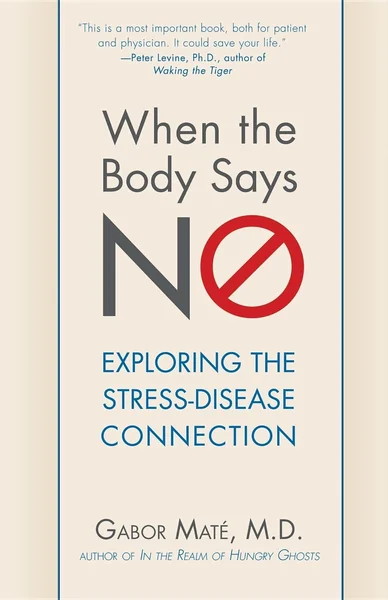
When the Body Says No: Exploring the Stress-Disease Connection by Gabor Maté
by Gabor Maté
At a glance
LuvemBooks Verdict
Best for: Anyone managing a chronic health condition — from cancer and MS to IBS and Alzheimer's — who wants a serious, research-grounded account of how suppressed emotion and hidden stress may be contributing to their illness, and who is open to reconsidering the relationship between their inner life and their physical health.
Worth it? Skip it? Read the full verdict →Ask LuvemBooks
Was this helpful?
- Is it worth reading?
- For readers open to examining the relationship between their inner emotional lives and their physical health, When the Body Says No is a thorough, well-sourced, and humanely written guide that addresses questions mainstream medicine often overlooks. Its translation into fifteen languages reflects a broad and sustained relevance across diverse readerships. Peter Levine, PhD, bestselling author of In an Unspoken Voice, called it 'a most important book, both for patient and physician. It could save your life.' The key caveat is that readers seeking practical clinical intervention guidance or treatment protocols will find the book more reflective and perspective-shifting than prescriptive.
- Similar books
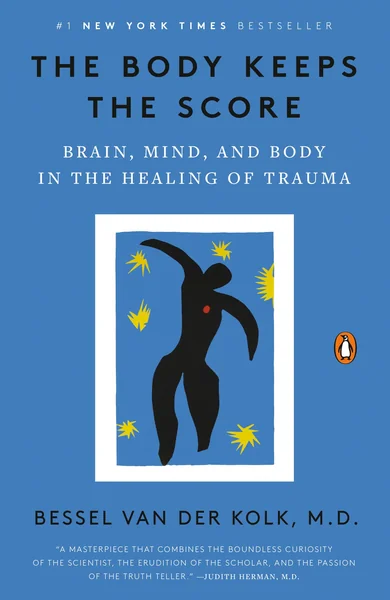
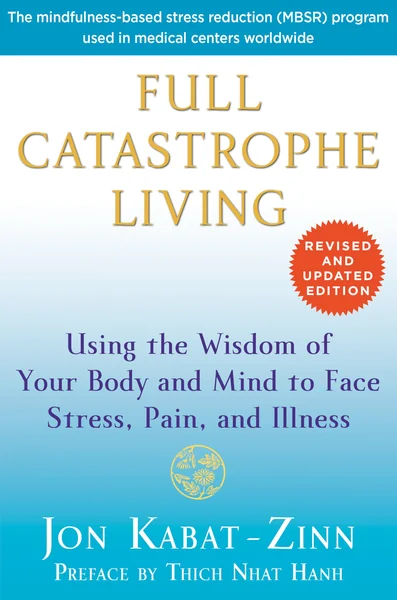
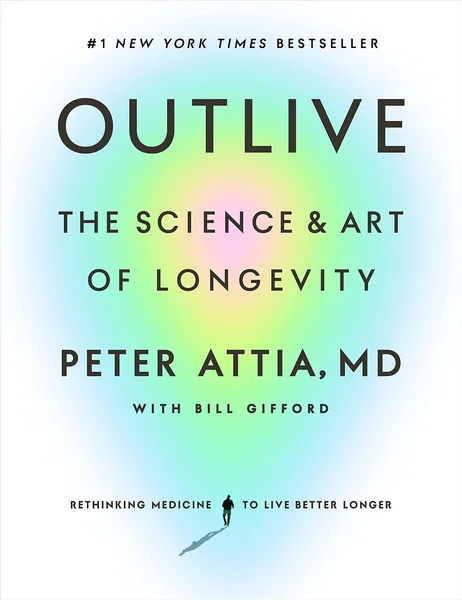
- Readers drawn to When the Body Says No will find strong companions in several adjacent titles. Bessel van der Kolk's The Body Keeps the Score: Brain, Mind, and Body in the Healing of Trauma covers the physiological imprint of trauma with comparable scientific depth. Jon Kabat-Zinn's Full Catastrophe Living offers a more practice-oriented counterpart, exploring mindfulness-based stress reduction for chronic illness. Robert M. Sapolsky's Why Zebras Don't Get Ulcers provides a rigorous, accessible look at the biology of stress and its effects on the body. For those interested in longevity and evidence-based health science, Peter Attia MD's Outlive: The Science and Art of Longevity offers a complementary but more clinically prescriptive perspective. Maté's own The Myth of Normal: Trauma, Illness, and Healing in a Toxic Culture extends many of the same themes into a broader cultural critique.
- Who should read this?
- When the Body Says No is widely described as essential reading for health professionals — physicians, therapists, and clinicians who want to understand the emotional and biographical dimensions of chronic illness — and for anyone personally managing a chronic health condition. It is also highly relevant for readers who recognize in themselves a persistent difficulty setting boundaries, expressing needs, or acknowledging stress. Those interested in the science of psychoneuroimmunoendocrinology, or in narrative medicine more broadly, will find it unusually comprehensive and well-sourced.
- About Gabor Maté M.D.
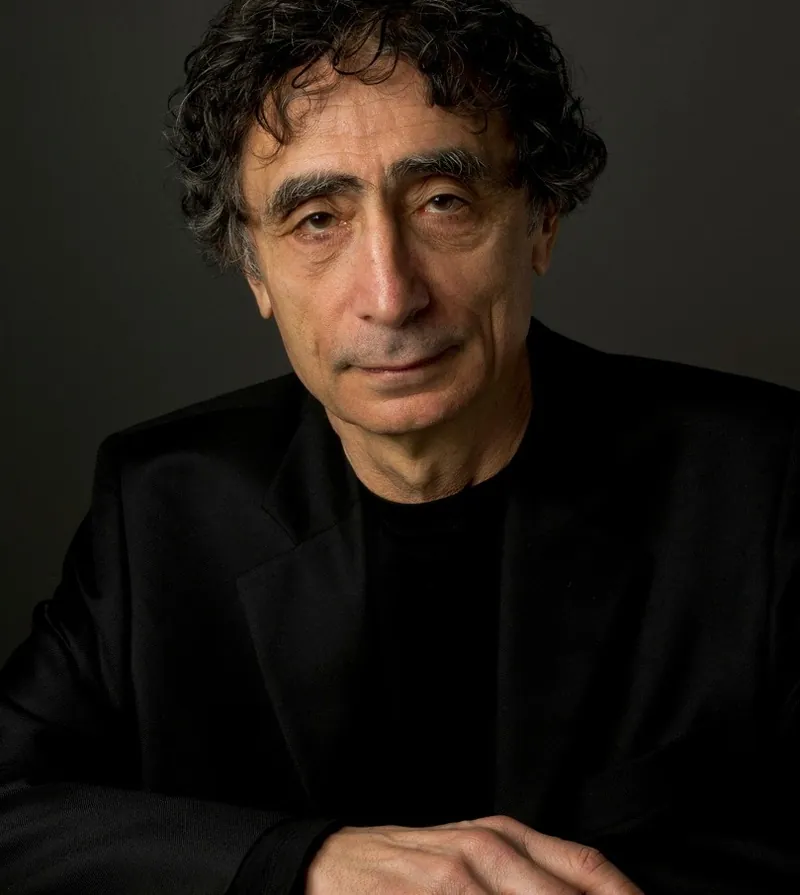
- Gabor Maté is a Canadian physician and author.
- What is psychoneuroimmunoendocrinology?
- Psychoneuroimmunoendocrinology is the scientific field that studies how the psyche, nervous system, immune system, and endocrine system interact and shape health outcomes — and it is the central framework through which Maté builds his argument in When the Body Says No. Rather than treating body and mind as separate systems, this lens examines how emotional states, stress responses, and psychological patterns produce measurable physiological effects. Maté uses this framework to investigate conditions as varied as cancer, MS, ALS, and Alzheimer's disease through a unified stress-disease lens.
- Does the book blame patients for their illness?
- This is one of the most important questions the book's framing raises, and Maté addresses it with deliberate care. Rather than assigning blame, the book examines how deeply ingrained emotional patterns — often rooted in childhood experience and the chronic suppression of needs — contribute biologically to disease development, framing these patterns as adaptive responses to life circumstances rather than personal failures. The intent is to expand the conversation about disease causation, not to replace compassion with culpability. That said, readers in acute stages of illness may find the emphasis on emotional origins demanding, and the book is more suited to reflective engagement than immediate clinical comfort.
Summarize this book
Follow up
Synthesized from verified book data & published reviews · How we review
Press Enter to ask. Answers come from our editorial Q&A — start typing to see related questions.
Age & Reading Level
Recommended age
Adult
Reading level
Adult
2 content notes · who it suits
Content to know about
Skip if you are seeking a practical treatment guide or clinical intervention protocols for managing illness.
Books like When the Body Says No
Curated picks for readers who enjoyed When the Body Says No, with our reasoning for each match.
If you liked When the Body Says No