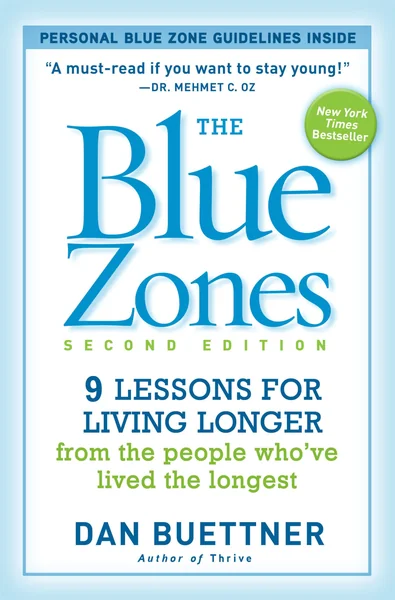
The Blue Zones: 9 Lessons for Living Longer From the People Who've Lived the Longest
by Dan Buettner
At a glance

LuvemBooks Verdict
Best for: General readers curious about health, diet, aging, and community who want real-world, culturally grounded examples of longevity rather than abstract clinical advice — especially book clubs or wellness groups ready to turn the research into collective action.
Worth it? Skip it? Read the full verdict →Ask LuvemBooks
Was this helpful?
- Is it worth reading?
- For readers interested in health, diet, aging, and community, The Blue Zones delivers a rare combination: vivid narrative field reporting from Sardinia, Okinawa, Loma Linda, and Costa Rica, paired with nine concrete, actionable longevity lessons. The Second Edition's additions — a fifth Blue Zone, city-transformation case studies, and a reading group guide — make it a richer resource than the original. Readers who want clinical trial evidence rather than observational, population-level research may find the evidential framework less satisfying, but for its intended general audience the book is both galvanizing and practically useful.
- Similar books
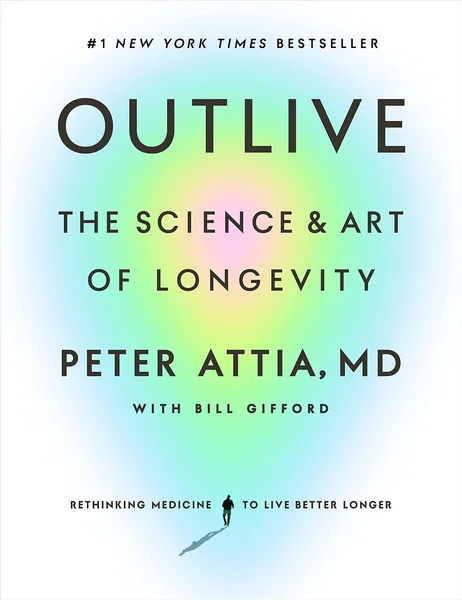
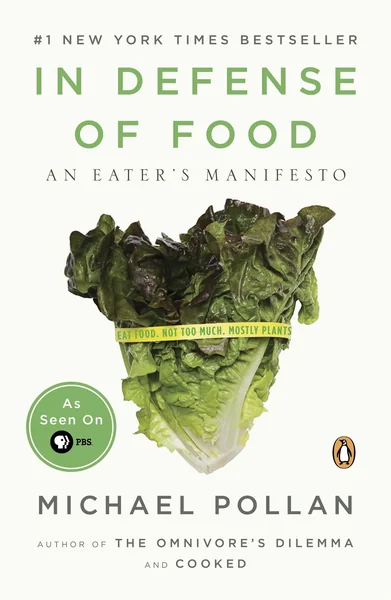
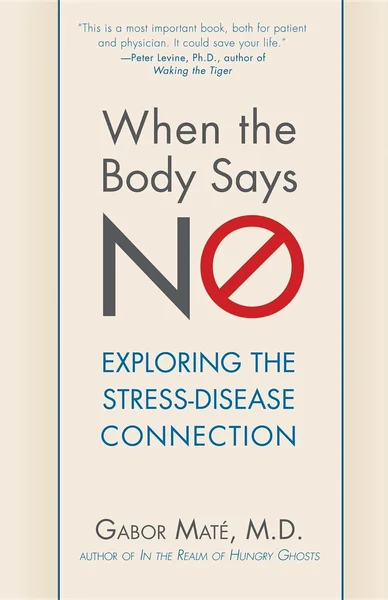
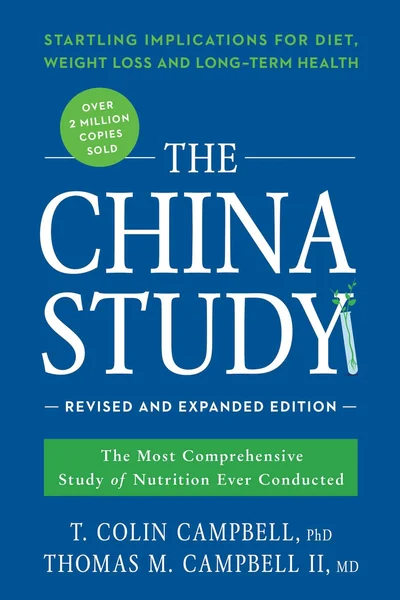
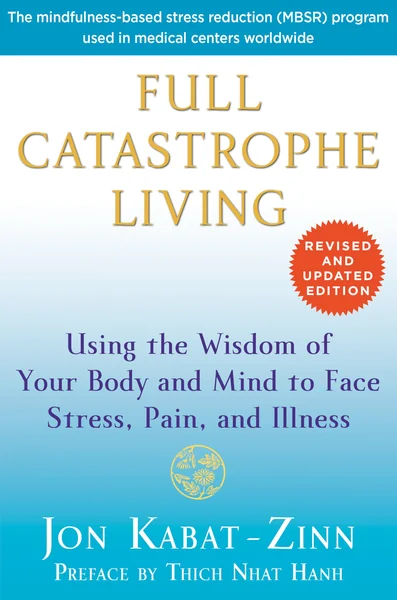
- Readers drawn to The Blue Zones often gravitate toward other evidence-grounded longevity and nutrition titles. Peter Attia's Outlive: The Science and Art of Longevity covers similar territory with a stronger emphasis on clinical and experimental frameworks. Michael Pollan's In Defense of Food: An Eater's Manifesto offers a complementary argument about how traditional food cultures outperform modern Western diets. T. Colin Campbell's The China Study: The Most Comprehensive Study of Nutrition Ever Conducted brings large-scale population data to bear on diet and long-term health. For readers interested in the stress and community dimensions of the Blue Zones framework, Gabor Maté's When the Body Says No: Exploring the Stress-Disease Connection and Jon Kabat-Zinn's Full Catastrophe Living: Using the Wisdom of Your Body and Mind to Face Stress, Pain, and Illness each address how social and psychological factors shape physical health outcomes.
- Who should read this?
- The Blue Zones is designed for general readers interested in health, diet, aging, and community — not for specialists in epidemiology or gerontology seeking primary literature. Readers who want to understand how lifestyle choices compound over a lifetime, and who are motivated by real-world examples of communities that have demonstrated exceptional longevity, will find Buettner's framework both concrete and galvanizing. The reading group guide included in the Second Edition also makes it well suited for book clubs and wellness groups looking to translate the research into collective action.
- About Dan Buettner
- Dan Buettner is an American writer, cookbook author, longevity researcher, and public speaker, best known for his research on the Blue Zones.
- What's the book's most striking finding?
- One of the book's most counterintuitive findings — captured in a direct quote from the text — is that 'longevity all-stars don't run marathons or compete in triathlons,' reframing exercise as low-intensity, habitual movement woven into daily life rather than peak athletic performance. In Loma Linda, California, Dr. Gary Fraser's Adventist Health Study data provided another striking data point: nonvegetarian Adventists faced roughly twice the risk of heart disease as their vegetarian counterparts. Buettner also documents, with notable candor, that modernization — mechanized labor, car culture, television, and processed food — has already begun eroding the habits that made Sardinia exceptional, meaning the Blue Zones represent a moment in these communities' histories as much as a replicable blueprint.
- How solid is the research behind this book?
- The research underpinning The Blue Zones is observational and population-level, meaning the nine lessons are patterns drawn from specific communities rather than findings from controlled experimental trials. Readers accustomed to clinical trial evidence may find this framework less rigorous than they prefer, and the community-level findings don't always translate cleanly into individual prescriptions, since the lifestyle patterns documented are deeply embedded in specific cultures and social structures. Where the evidence is strongest — such as the Adventist Health Study data from Loma Linda — the book is on firmer empirical ground; elsewhere, the lessons are best treated as well-documented tendencies rather than clinical prescriptions.
Summarize this book
Follow up
Synthesized from verified book data & published reviews · How we review
Press Enter to ask. Answers come from our editorial Q&A — start typing to see related questions.
Age & Reading Level
Recommended age
Adult
Reading level
Adult
who it suits
Skip if you require clinical trial evidence and controlled experimental studies rather than observational, population-level research to find health advice credible.
Editorial Review
Dan Buettner's The Blue Zones distills field research from the world's longest-lived communities into nine actionable lessons, making a compelling case that a longer, healthier life is built less from genetics than from the right daily habits and community structures — a premise that has fueled both a publishing phenomenon and a real-world public health movement.
Read the Full ReviewBooks like The Blue Zones
Curated picks for readers who enjoyed The Blue Zones, with our reasoning for each match.
If you liked The Blue Zones