Conspiracy Against Lithium by Michael Nehls, MD, PhD, makes the provocative case that lithium — long categorized solely as a high-dose psychiatric drug — is in fact an essential trace element whose widespread deficiency is quietly driving depression, Alzheimer's disease, aggression, suicide, and broader societal breakdown. This review is based on the book's contents and published sources, not hands-on use or independent scientific evaluation of its claims.
Readers who feel conventional psychiatric and pharmaceutical frameworks have failed them or their loved ones, and who are genuinely curious whether a trace nutritional deficiency — rather than a new drug — could be a missing piece in the modern mental health crisis.
Worth it if
Worth engaging with if you want a physician-scientist's multi-disciplinary case — spanning epidemiology, neuroscience, and molecular biology — for why lithium's trace-element role has been systematically overlooked, and you're open to a synthesising popular-science argument rather than a peer-reviewed meta-analysis.
Skip if
Skip it if the "conspiracy" framing and the sweeping attribution of depression, Alzheimer's, autism, aggression, and democratic erosion to a single deficiency will put you off before the evidence is even examined, or if you require rigorous causal proof rather than converging correlational lines to find a scientific argument convincing.
What readers & critics say
Coverage retrieved from drclarkstore.com characterises the book as presenting "a bold thesis" that lithium is "an essential nutrient for human mental well-being and overall neurological balance." Publisher and retail descriptions, as summarised across hugendubel.info and audible.com, frame the work as "bold and eye-opening," positioning Nehls as a physician and molecular geneticist revealing lithium to be "vital for brain health, emotional stability, and social cohesion."
Conspiracy Against Lithium by Michael Nehls, MD, PhD, makes the bold case that lithium is an overlooked essential trace nutrient whose widespread deficiency underlies depression, Alzheimer's disease, aggression, and broader societal decline. Readers open to alternative nutritional frameworks for mental health — particularly those frustrated by conventional pharmaceutical approaches — will find the multidisciplinary argument genuinely provocative and worth engaging. The key caveat: the "conspiracy" framing and sweeping causal claims across a wide range of conditions will invite serious scrutiny from readers who expect rigorous causal evidence over synthesized popular science.
Is it worth reading?
For readers frustrated by conventional psychiatric frameworks or curious about nutritional approaches to mental health, Conspiracy Against Lithium raises a genuinely underexplored question: whether lithium's trace-element role has been systematically neglected in favor of high-dose pharmaceutical applications. Nehls brings credible dual credentials as a physician and molecular geneticist, and the book addresses a concrete, theoretically correctable target rather than offering vague lifestyle advice. However, readers who expect rigorous causal evidence and peer-reviewed meta-analyses over a synthesizing popular-science argument may find the sweeping scope — linking a single deficiency to depression, Alzheimer's, autism, aggression, and democratic erosion — harder to accept on its own terms. The foreword's comparison of Nehls's contribution to Freud's discovery of the subconscious sets a high evidentiary bar that the book will need to clear for skeptical readers.
Similar books
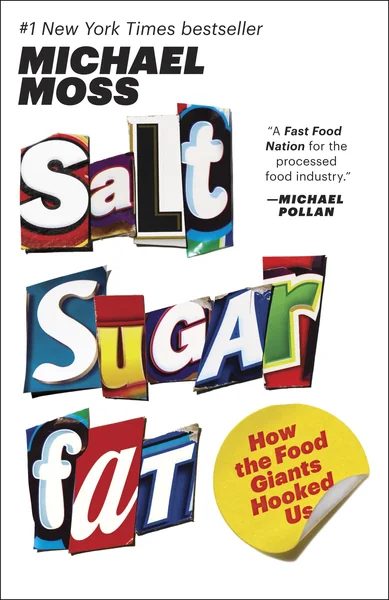
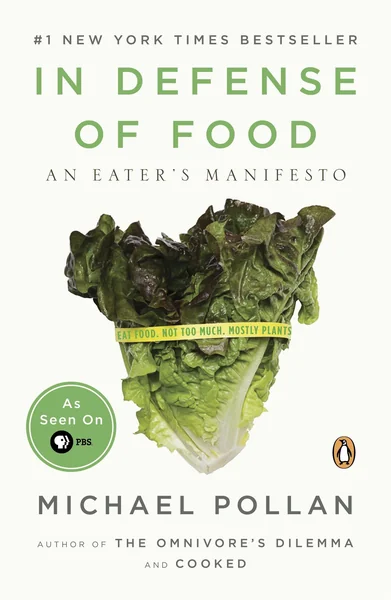
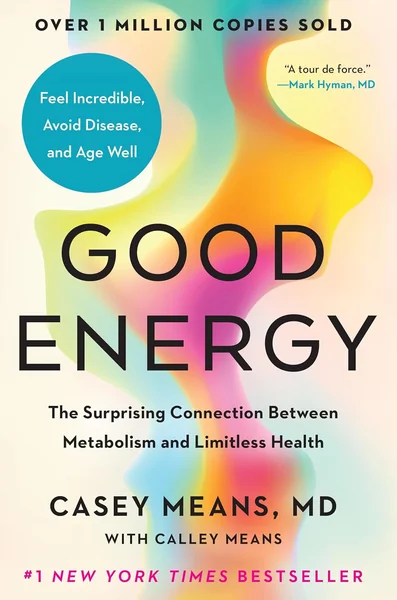
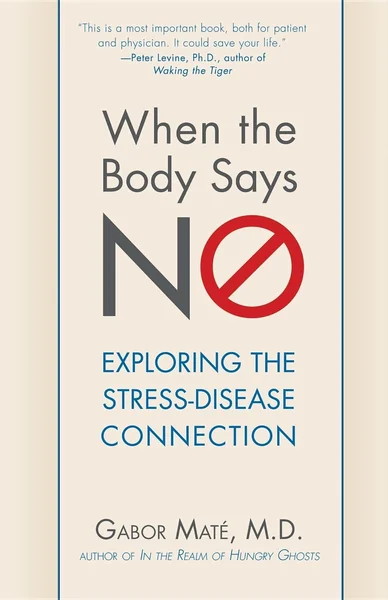
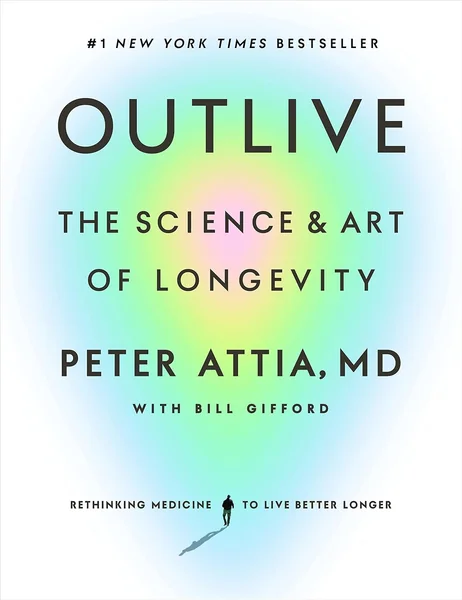
Readers drawn to Conspiracy Against Lithium's challenge to mainstream health and pharmaceutical frameworks will find common ground in several titles featured below. Peter Attia's Outlive: The Science and Art of Longevity similarly applies rigorous scientific credentials to rethinking what medicine gets wrong about long-term health. Casey Means and Calley Means's Good Energy: The Surprising Connection Between Metabolism tackles systemic nutritional and metabolic blind spots with comparable institutional skepticism. Gabor Maté's When the Body Says No: Exploring the Stress-Disease Connection examines how conventional medicine underestimates the body's underlying disease drivers. For broader food-system critique, Michael Moss's Salt Sugar Fat: How the Food Giants Hooked Us and Michael Pollan's In Defense of Food: An Eater's Manifesto provide essential context on why certain nutrients get sidelined in a commercially driven food environment.
Who should read this?
Conspiracy Against Lithium is likely to resonate most strongly with readers who are already skeptical of mainstream pharmaceutical mental health frameworks and are actively seeking nutritional or alternative explanations for conditions like depression, anxiety, Alzheimer's, and neurodegenerative illness. It will also appeal to those who have watched conventional treatments fall short for themselves or loved ones and are open to the question of whether a forgotten nutrient might be part of the answer. Readers with a background in biology, nutrition, or integrative medicine will appreciate the multidisciplinary evidence structure, though those who require peer-reviewed meta-analytic rigor as a baseline may find the book's persuasive architecture less satisfying.
About Michael Nehls
Michael Nehls is a German doctor of medicine, author, and former competitive cyclist. He studied medicine at the universities of Freiburg and Heidelberg from 1983 until 1989.
What are the book's boldest claims?
Beyond the core nutritional argument, Conspiracy Against Lithium extends its claims to the societal scale — contending that lithium deficiency erodes emotional resilience, independent thought, and what Nehls calls 'our capacity for democratic life.' He links the deficiency not only to depression and Alzheimer's disease, but also to rising rates of aggression, autism, anxiety, suicide, and broader societal fragmentation. Perhaps most provocatively, he frames lithium's near-absence from mainstream supplementation as an active suppression — a 'conspiracy' — rather than a result of scientific caution or regulatory inertia, pointing to its status as a banned or heavily restricted dietary supplement in much of the world.
What does the publisher signal about this book?
Conspiracy Against Lithium is published by Skyhorse Publishing, which specializes in books that challenge mainstream consensus — a context that helps explain the book's willingness to adopt the 'conspiracy' framing and its positioning against regulatory and pharmaceutical orthodoxy. The book's categorization across major retail platforms spans neuroscience, nutrition, medicine, and popular science, reflecting its ambition to speak to both general readers and those with a more technical background. The foreword by Naomi Wolf, author of The Bodies of Others, further signals the book's appeal to readers already skeptical of institutional frameworks.
Summarize this book
Is it worth reading?
Who should read this?
About Michael Nehls
What are the book's boldest claims?
What does the publisher signal about this book?
Summarize this book
Conspiracy Against Lithium argues that lithium — widely known only as a high-dose psychiatric drug for bipolar disorder — is in fact an essential trace element that modern populations are broadly deficient in, and that this deficiency is a root driver of what Nehls calls "mental immune deficiency syndrome." He links this shortfall to rising rates of depression, Alzheimer's disease, aggression, autism, anxiety, suicide, and even the erosion of democratic resilience. The book draws on six independent lines of scientific evidence spanning epidemiology, neuroscience, and molecular biology, and frames the near-absence of lithium from mainstream supplementation not as an oversight but as an active suppression — the "conspiracy" of the title. It closes with a proposed path toward reshaping collective mental health through trace-level lithium supplementation.
Follow up
What exactly is the 'conspiracy' Nehls describes?
What kind of evidence does Nehls use?
Does the book cover anything besides lithium?
Synthesized from verified book data & published reviews · How we review
Ask LuvemBooks
What would you like to know about Conspiracy Against Lithium?
Answers come from our editorial notes on this book. If we haven't covered something, we'll say so.
Readers often ask
Our Review
This review covers the book's content, premise and published critical reception, not a first-hand reading.
A review grounded in the book's documented contents and published reception — not independent scientific evaluation or hands-on application.
What the Book Actually Argues
At the center of Conspiracy Against Lithium is a single, far-reaching claim: lithium is not merely a pharmaceutical tool for treating bipolar disorder at high doses, but an essential trace element that the human brain and body require in small amounts for baseline health. Nehls, a physician and molecular geneticist specializing in immunology, contends that modern populations are broadly deficient in this nutrient, and that this deficiency is a root driver of what he terms "mental immune deficiency syndrome" — a widespread societal condition he links to rising rates of depression, Alzheimer's disease, aggression, autism, anxiety, neurodegenerative illness, and suicide.
Compounding the lithium shortfall, Nehls argues, are deficiencies in Omega-3 fatty acids and what the book describes as unnatural contemporary lifestyles. The publisher's synopsis frames the book as presenting six independent lines of scientific evidence for lithium's necessity as a trace element.
The Scope and Structure of the Case
Rather than stopping at individual health outcomes, Nehls extends the argument to the societal scale, contending that lithium deficiency erodes emotional resilience, independent thought, and what the book calls "our capacity for democratic life." He frames the element's near-absence from mainstream supplementation not as an oversight but as a suppression — the "conspiracy" of the title — pointing to the fact that lithium remains banned or heavily restricted as a dietary supplement in much of the world.
In its place, Nehls argues, children and adults are prescribed high-risk medications that address symptoms while leaving the underlying nutritional deficit untouched. The book is structured to walk readers through the scientific case, identify the systemic forces Nehls believes have kept lithium marginalized, and close with what the publisher describes as a clear path toward reshaping collective mental health through supplementation.
Reception and Positioning
The book carries a foreword by Naomi Wolf, author of The Bodies of Others, who writes that if Nehls is correct, "his theory here will be as important as Dr. Sigmund Freud's discovery of the subconscious, if not more so." That framing positions the work as a paradigm-shifting contribution rather than an incremental addition to nutritional science.
Skyhorse Publishing — which specializes in books that challenge mainstream consensus — is the publisher, and the book's categorization across major retail platforms spans neuroscience, nutrition, medicine, and popular science, reflecting its ambition to speak to both general readers and those with a more technical background. The foreword's endorsement signals the book's likely appeal to readers already skeptical of mainstream pharmaceutical and regulatory frameworks.
Interior book spread with two columns of body text discussing scientific and medical arguments related to the book's central thesis.
Genuine Strengths
Nehls brings credible academic credentials to a topic that has historically been discussed either in narrow psychiatric contexts or in fringe wellness circles. His dual background as a physician and molecular geneticist lends the book a framework grounded in biological mechanism rather than anecdote alone.
The publisher's description indicates the argument is built on multiple converging lines of evidence — drawing on epidemiology, neuroscience, and molecular biology — rather than a single study. For readers who have watched conventional mental health treatments fall short for themselves or loved ones, the book's central question — "What if the missing piece in our mental health crisis isn't a new drug, but a forgotten nutrient?" — is genuinely provocative and worth engaging with on its own terms.
The book also addresses a concrete, actionable target: a specific, identifiable, and theoretically correctable deficiency.
Limitations and Who May Push Back
Because this review is based on published sources rather than independent scientific evaluation, readers should consult primary literature and qualified clinicians before drawing conclusions about the book's empirical claims. The book's framing — a "conspiracy" of suppression rather than, say, a history of scientific neglect or regulatory caution — will put some scientifically trained readers on alert for motivated reasoning, and the sweeping scope of conditions attributed to a single deficiency (depression, Alzheimer's, aggression, autism, suicide, and societal fragmentation) may invite scrutiny about the strength of causal evidence versus correlation.
Readers who prefer peer-reviewed meta-analyses over a synthesizing popular-science argument may find the book's persuasive architecture less satisfying than its underlying science warrants. The foreword's comparison to Freud's discovery of the subconscious, while enthusiastic, sets an expectation that will be tested against the actual evidentiary record.
Sources & Further Reading
The key facts and claims in this review are grounded in the retrieved, verified sources listed below.
claims linking supplementation to psychiatric conditions
Skip if you require peer-reviewed meta-analytic evidence and cautious causal language as a baseline for health and nutrition claims.
Michael Nehls on Conspiracy Against Lithium
Dr. Michael Nehls discusses his book and responds to mainstream media critiques regarding the role of low-dose lithium in mental health and Alzheimer's prevention.
Nehls denies portraying lithium as an isolated cure-all, noting that he devoted the entire opening chapter of his book to Liebig's Law of the Minimum. He argues that lithium must be understood systemically as one essential nutrient among a complete spectrum of human biological needs.
From our readers
Reader reviews
Be one of the first readers to answer.
Read it? Was it right for you?
Books like Conspiracy Against Lithium
Curated picks for readers who enjoyed Conspiracy Against Lithium, with our reasoning for each match.