
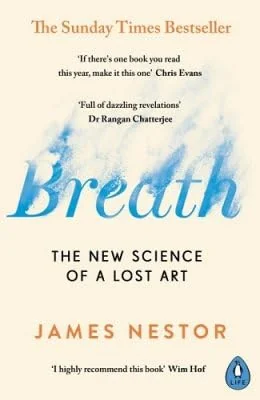
At a glance

LuvemBooks Verdict
Best for: Curious general readers who want to understand how breathing affects their health and are open to a journey through ancient wisdom, modern pulmonology, and one journalist's self-experimentation — without needing clinical-grade evidence at every turn.
Worth it? Skip it? Read the full verdict →Ask LuvemBooks
Was this helpful?
- Is it worth reading?
- For anyone with an interest in health, human physiology, or the science behind everyday habits, Breath delivers exceptional range and accessibility. Its commercial and critical footprint speaks for itself: the book debuted at number seven on the New York Times nonfiction bestseller list, spent 18 weeks on that list, sold over two million copies worldwide, and won the American Society of Journalists and Authors award for Best General Nonfiction Book of 2020. Kirkus Reviews praised it as 'a welcome, invigorating user's manual for the respiratory system,' and The Boston Globe noted that Nestor succeeds at explaining both the basics and the more complicated aspects of breathing properly. The key caveat is for readers who demand strictly peer-reviewed conclusions — science writer Sam Kean and others have questioned whether the evidence fully supports some of Nestor's broader claims, particularly around ancient breathing practices.
- Similar books
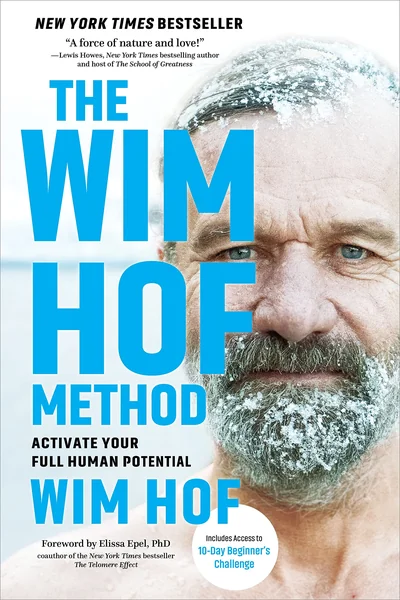
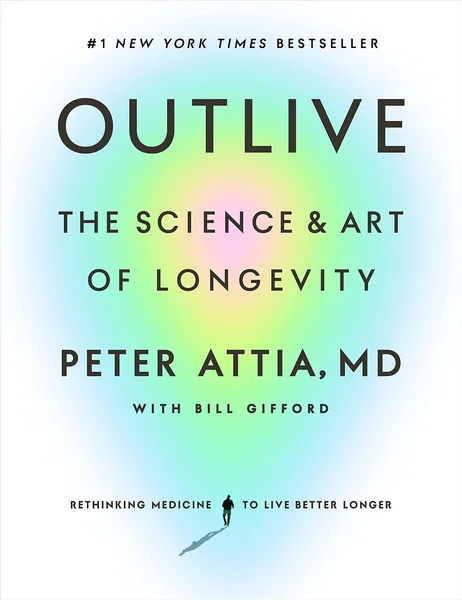
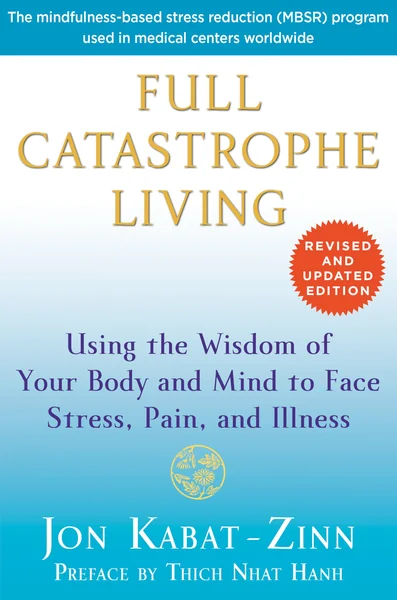
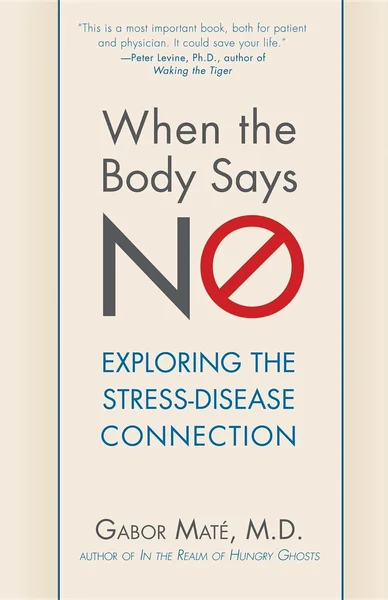
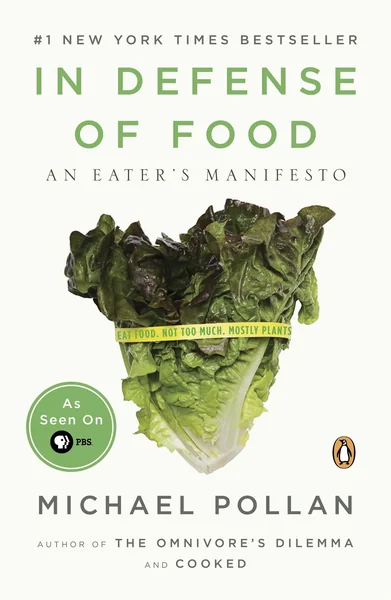
- Readers drawn to Breath's blend of personal investigation and health science will find much to enjoy in the curated selections below. Wim Hof's The Wim Hof Method is the most direct companion read, covering breathing techniques and cold exposure from the practitioner's own perspective. For a broader evidence-based approach to longevity and preventive health, Peter Attia MD's Outlive: The Science and Art of Longevity covers similar territory with a clinician's rigour. Jon Kabat-Zinn's Full Catastrophe Living examines how mindfulness and breath-based practices intersect with stress and illness, while Gabor Maté's When the Body Says No explores the physiological toll of suppressed emotion — a thematic complement to Nestor's argument about the body's hidden signals. Michael Pollan's In Defense of Food offers a useful parallel: a journalist making a paradigm-shifting case that modern habits have quietly undermined a fundamental human practice.
- Who should read this?
- Breath is most squarely aimed at adults with a curiosity about health, human physiology, or the science underlying everyday habits — particularly those who enjoy popular science written with journalistic momentum rather than academic density. It also speaks directly to anyone dealing with breathing difficulties, sleep issues, or chronic stress, given its emphasis on actionable, concrete techniques like the 'perfect breath.' Readers who enjoy the paradigm-challenging popular science of authors like Michael Pollan — journalists making a case that modern habits have quietly undermined something fundamental — will find Nestor's approach immediately familiar and compelling. Those who require strictly peer-reviewed conclusions at every step may find the book's reach occasionally exceeds its evidentiary grasp.
- About James Nestor
- James Nestor is an author and journalist whose work has appeared in Outside, Scientific American, Dwell, National Public Radio, The New York Times, The Atlantic, Men's Journal, and the San Francisco Chronicle Magazine, among other publications.
- Why is this book trending?
- Breath is experiencing a resurgence driven by a cluster of breath-and-diving-related content currently circulating on Netflix, including the documentary The Deepest Breath. Viewers who have just watched content about the science and limits of human breathing are naturally gravitating toward Nestor's book as a deeper, more comprehensive companion. For a title already well established as an international bestseller — with over two million copies sold and 18 weeks on the New York Times nonfiction bestseller list — this kind of streaming-driven rediscovery is broadening its already substantial audience further.
- What are the main themes?
- The book's central theme is the argument that modern humans have abandoned nasal breathing in favour of chronic mouth breathing, with measurable consequences for health and longevity — a shift Nestor links partly to processed-food consumption altering jaw structure over generations. Beyond that, Breath explores the tension between ancient wisdom and modern science, examining whether millennia-old practices like Pranayama, Sudarshan Kriya, and Tummo hold up under contemporary scrutiny. A third thread is the accessibility of the fix: Nestor consistently emphasises that correct breathing is free and universally available, framing it as one of the most democratically accessible health interventions imaginable.
- What are the book's weaknesses?
- The most substantive criticism of Breath comes from science-focused reviewers who question whether the evidentiary case fully supports all of Nestor's conclusions — science writer Sam Kean, for instance, expressed scepticism about claims regarding the benefits of ancient breathing practices. The book is written from a journalist's perspective rather than a clinician's, which means it synthesises findings across disciplines with a degree of confidence that not every specialist shares. Readers who prefer their popular science tightly hedged and peer-reviewed at every turn may find the book's ambition occasionally outpaces its caution. These are, as the review notes, characteristic tensions of ambitious popular science — and they have not prevented Breath from resonating with a global audience of over two million readers.
Summarize this book
Follow up
Synthesized from verified book data & published reviews · How we review
Press Enter to ask. Answers come from our editorial Q&A — start typing to see related questions.
Age & Reading Level
Recommended age
Adult
Reading level
Adult
who it suits
Skip if you require strictly peer-reviewed, clinician-authored conclusions and won't tolerate journalistic confidence outpacing the evidentiary record.
Editorial Review
James Nestor's Breath: The New Science of a Lost Art is a popular science book that blends history, science, and personal investigation to make the case that modern humans have forgotten how to breathe — and are paying a steep physiological price. First published by Riverhead Books on May 26, 2020, the book became an international phenomenon, debuting at number seven on the New York Times nonfiction bestseller list and spending 18 weeks on that list in its first year.…
Read the Full ReviewBooks like Breath
Curated picks for readers who enjoyed Breath, with our reasoning for each match.
If you liked Breath
Why It’s Trending
Breath by James Nestor Continues to Find New Readers Six Years After Its Debut
James Nestor's Breath has sold over two million copies worldwide and shows no signs of slowing down. Six years after its release, readers keep coming back to this practical, eye-opening look at how something as basic as breathing can affect your health in big ways.