James Nestor
1
Books ReviewedAsk LuvemBooks about James Nestor
- Where should I start?
- With only one book reviewed on LuvemBooks, the answer is straightforward: start with Breath: The New Science of a Lost Art. It is Nestor's most prominent work and serves as a solid introduction to his style of blending personal experimentation with scientific deep-dives. Readers who enjoy popular science writing that challenges assumptions about everyday bodily functions will find it a natural fit.
- What's their writing style?
- Nestor writes in a first-person journalistic voice that puts himself in the middle of the research — he doesn't just interview experts, he participates in experiments on his own body. His prose is accessible and grounded, avoiding heavy academic language while still engaging seriously with scientific literature. He has a tendency to build outward from a personal or anecdotal moment into a broader historical or physiological context, which gives his books a narrative momentum unusual for health-focused nonfiction.
- Books we've reviewed
- LuvemBooks has reviewed one book by James Nestor. Breath: The New Science of a Lost Art (Health & Wellness) — a reported, science-grounded investigation into how the mechanics of breathing affect human health, drawing on ancient practices, modern research, and Nestor's own self-experimentation.
- What genre do they write?
- Based on the books we've reviewed, Nestor writes in the Health & Wellness space, specifically popular science nonfiction. His work is characterized by investigative journalism methods applied to human physiology — he is less a self-help writer than a science reporter who happens to be writing about the body. Readers who enjoy titles in popular science or narrative nonfiction are likely to find his work a comfortable fit.
- What should I read after Breath?
- If you've finished Breath and want to stay with Nestor, his earlier book Deep explores freediving and human physiological limits in similarly immersive fashion — it shares the same first-person investigative structure. For readers who want to branch out, Matthew Walker's Why We Sleep covers adjacent territory (the science of another unconscious bodily process) with a comparable level of scientific rigor and accessibility.
Who is James Nestor?
Follow up
Synthesized from verified book data & published reviews · How we review
Press Enter to ask. Answers come from our editorial Q&A — start typing to see related questions.
Authors Like James Nestor

Bessel van der Kolk
Bessel van der Kolk is a Boston-based Dutch-American psychiatrist, author, researcher and educator.
1 book reviewed

Kristin Neff
Kristin Neff, Ph.D., is an Associate Professor of Educational Psychology at the University of Texas at Austin and a pioneer in self-compassion research, having conducted the first empirical studies in the field. She is the author of Self-Compassion: The Proven Power of Being Kind to Yourself (William Morrow, 2011) and co-founded the nonprofit Center for Mindful Self-Compassion (CMSC).
1 book reviewed

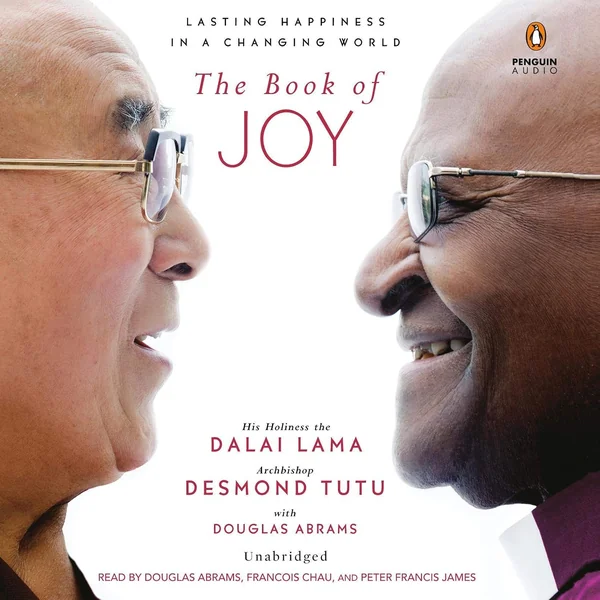
Dalai Lama
The 14th Dalai Lama was recognized at age two as the reincarnation of the 13th Dalai Lama. Following the 1959 Tibetan uprising, he escaped into exile in India, where he lives as a refugee. He has authored works including two autobiographies — My Land and My People (1962) and Freedom in Exile (1991) — as well as The Art of Happiness, a landmark book in the field of positive psychology.
2 books reviewed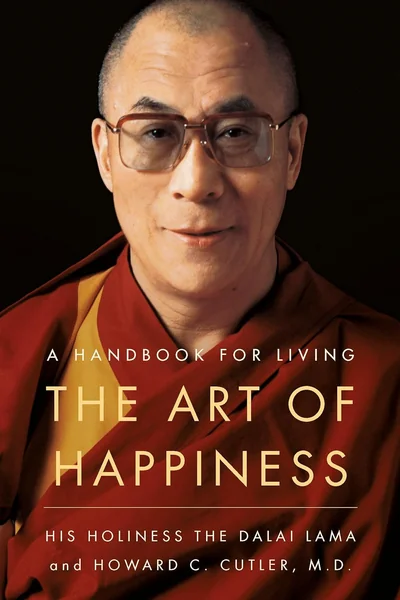

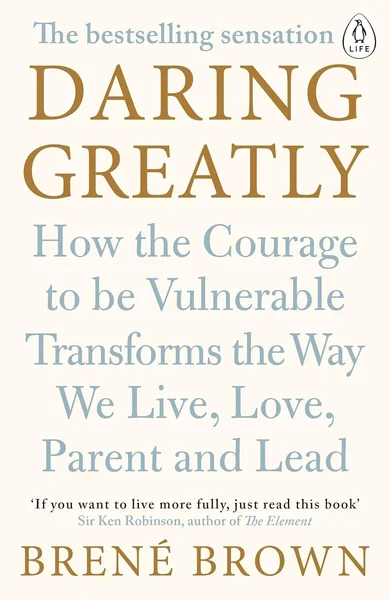
Brené Brown
Casandra Brené Brown is an American academic and podcaster who is the Huffington Foundation's Brené Brown Endowed Chair at the University of Houston's Graduate College of Social Work and a visiting professor in management at the McCombs School of Business in the University of Texas at Austin..
3 books reviewed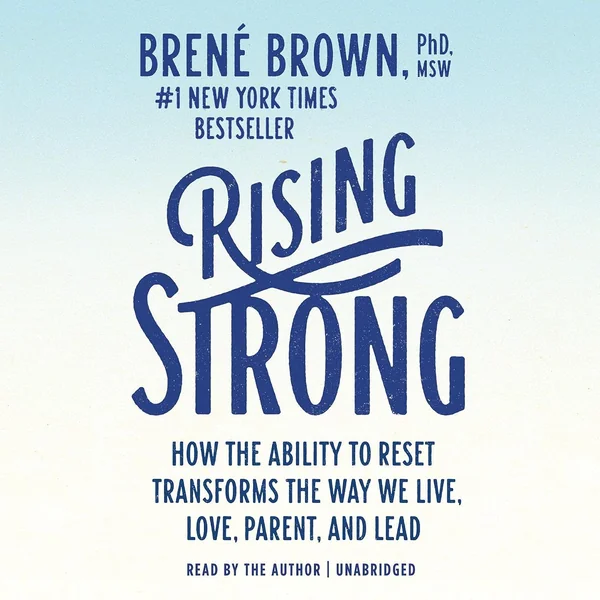

Mel Robbins
Melanie Lee Robbins is an American author, podcast host, and lawyer..
2 books reviewed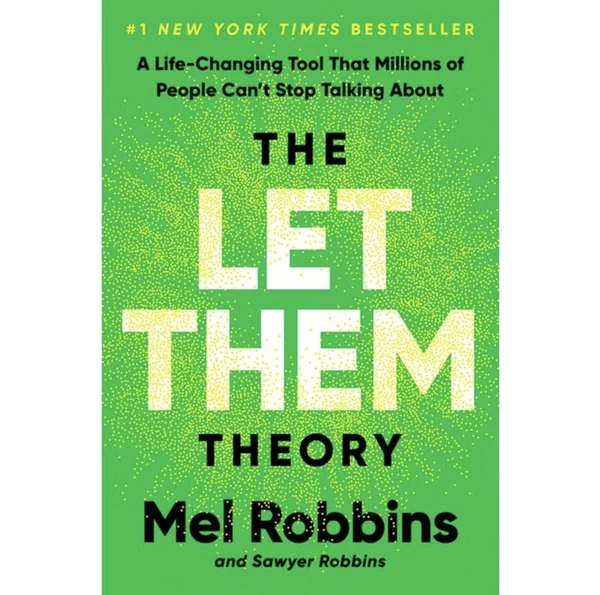


Mo Gawdat
Mohammad Gawdat is an Egyptian author and former technology executive.
1 book reviewed