At a glance

Thirteen Reasons Why
by Jay Asher
LuvemBooks Verdict
Best for: Teenage readers and educators looking for a structurally inventive, conversation-starting novel about the ripple effects of social cruelty, bullying, and indifference on a young person's life — best approached with a discussion framework in place.
Worth it? Skip it? Read the full verdict →Ask LuvemBooks
Was this helpful?
- Is it worth reading?
- For readers drawn to structurally inventive young adult fiction that tackles difficult social terrain, Thirteen Reasons Why offers a genuinely propulsive reading experience — Kirkus Reviews awarded it a starred review and Editor's Choice designation, calling it 'a brilliant and mesmerizing debut,' and critics noted that 'readers won't be able to pull themselves away.' The novel addresses concrete pressures — social cruelty, reputational harm, and broken trust — through specific named events rather than vague themes, and Guardian reviewers credit it with prompting real self-reflection in readers about how their actions affect others. The key caveat is well-documented: mental health advocates and educators have raised sustained concerns about the framing of Hannah's death as a directed message, making it a book many approach with structured discussion rather than independent reading alone.
- Similar books
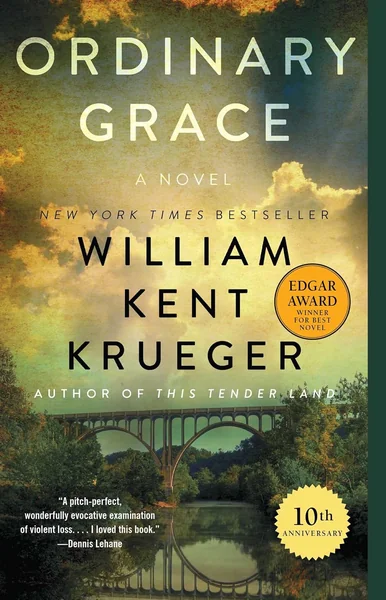
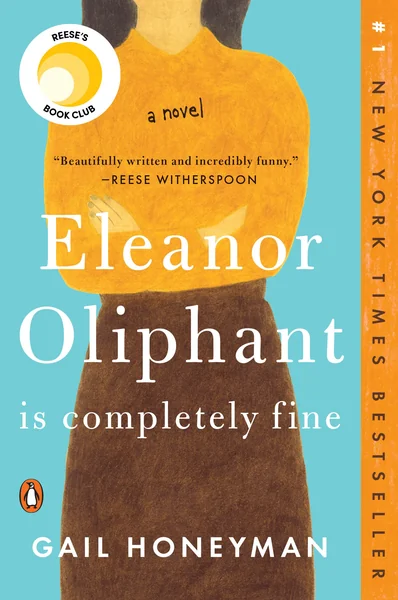
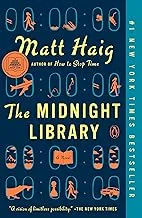
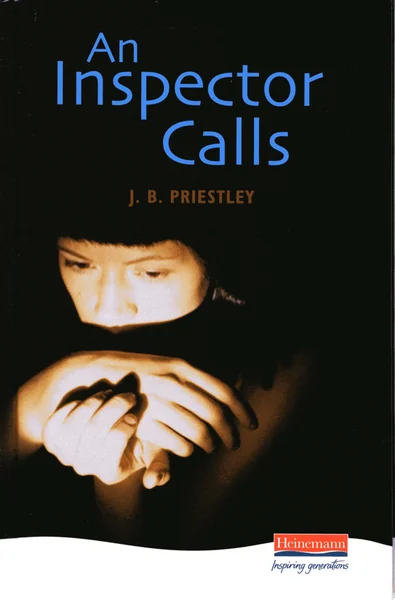
- Readers drawn to Thirteen Reasons Why often connect with other young adult and literary novels that explore grief, mental health, and the weight of human connection. Stephen Chbosky's The Perks of Being a Wallflower shares its intimate first-person confessional tone and its unflinching look at teenage pain and trauma. Jennifer Niven's All the Bright Places covers similar territory — teen mental health and loss — and is frequently paired with Asher's novel in classroom discussions. For readers interested in stories where a death reshapes those left behind, William Kent Krueger's Ordinary Grace and Matt Haig's The Midnight Library both examine mortality and the ripple effects of loss with emotional depth. Eleanor Oliphant Is Completely Fine by Gail Honeyman and J.B. Priestley's An Inspector Calls — the latter a classic study in collective moral responsibility for another person's fate — round out the thematic connections.
- Who should read this?
- Thirteen Reasons Why is designed for a young adult readership — the publisher lists a reading age of 10–13 and a grade level of 7–9 — and it has found its largest audience among teenagers and the educators and parents who read alongside them. It is especially well-suited to readers who want fiction that takes seriously the social pressures of high school life: cruelty, reputation, broken trust, and the consequences of indifference. Guardian reviewers describe it as a book that prompts genuine self-reflection about how one's actions affect others, making it a natural choice for classroom discussion. Given the sustained debate around its depiction of suicide, many educators and parents approach it as a structured reading experience rather than solo independent reading.
- What age is it for?
- The publisher lists a reading age of 10–13 and a grade level of 7–9, but the subject matter — including suicide depicted as a directed message to those responsible, and themes of sexual assault — has led many educators, parents, and mental health advocates to treat it as a book best suited to readers 14 and up, ideally with adult guidance or structured discussion. It is one of the most debated books in American schools precisely because the listed reading age and the thematic weight of the content are not always seen as aligned. Parents and educators are strongly encouraged to preview the material and discuss it with young readers.
- About Jay Asher
- Jay Asher is an American writer and novelist.
- Tell me about the adaptation
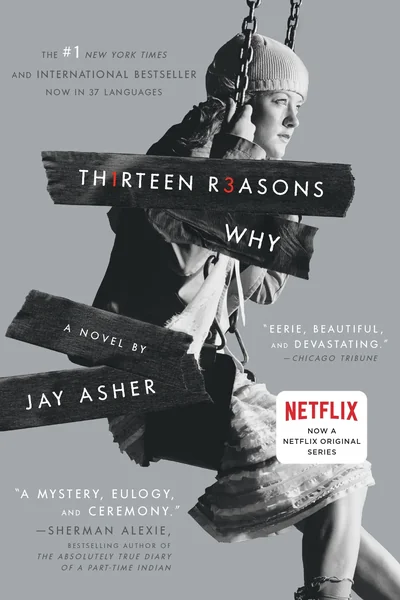
- Thirteen Reasons Why was adapted as a Netflix original series, bringing another wave of new readers to the novel while also intensifying the conversation around how fiction addresses teen suicide. Selena Gomez served as executive producer on the adaptation, and ongoing public interest in Gomez has contributed to recurring attention on both the show and the source novel. The Netflix series expanded significantly beyond the scope of the book, running for multiple seasons, whereas the novel is a contained, single-narrative work — the core cassette-tape structure and dual perspective that critics praised in the book remain the foundation of the adaptation's first season.
- What are the main themes?
- Thirteen Reasons Why engages with several concrete and interconnected themes: social cruelty and the ways reputational harm compounds over time, the broken trust that accumulates between people who fail to see one another clearly, and the moral weight of indifference — how not acting can be as consequential as acting. Guardian reviewers highlight that the novel addresses these through specific named events rather than abstraction, which gives the themes immediacy. Underlying all of it is a sustained examination of accountability: Hannah's tapes force each recipient to confront their specific role in her story, making the novel as much about the living as about the person who died.
Summarize this book
Follow up
Synthesized from verified book data & published reviews · How we review
Press Enter to ask. Answers come from our editorial Q&A — start typing to see related questions.
Age & Reading Level
Recommended age
Ages 12–18
Reading level
Young adult
3 content notes · who it suits
Content to know about
Best for: Ages 14+ — the novel's central depiction of suicide and its framing as a directed message, along with themes of sexual assault and social cruelty, carry significant emotional and thematic weight beyond what the publisher's listed reading age of 10–13 suggests; parental guidance or structured discussion is widely recommended by educators.
Skip if you're looking for a straightforward, redemptive story about grief without unresolved moral complexity.
Editorial Review
Thirteen Reasons Why is a young adult novel by Jay Asher, first published in 2007, that follows Clay Jensen as he listens to a series of cassette tapes left behind by his deceased classmate Hannah Baker, each one naming one of the thirteen people she holds responsible for her suicide. The novel became a New York Times bestseller and a widely discussed — and debated — touchstone of contemporary young adult fiction, later adapted as a Netflix original series.
Read the Full ReviewBooks like Thirteen Reasons Why
Curated picks for readers who enjoyed Thirteen Reasons Why, with our reasoning for each match.
If you liked Thirteen Reasons Why