At a glance
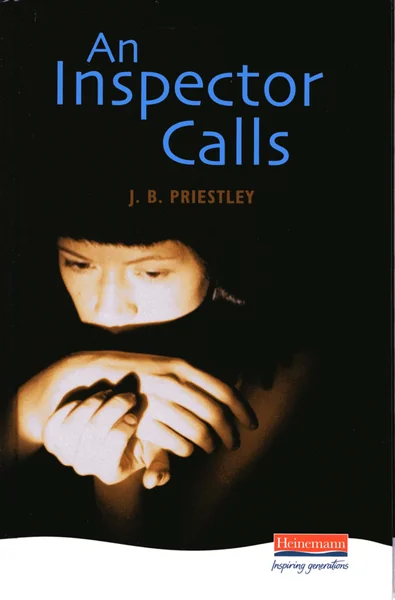
An Inspector Calls
LuvemBooks Verdict
Best for: Students tackling the play as a GCSE or IGCSE set text, and general readers seeking a compact, high-stakes theatrical argument about class, responsibility, and moral complicity that can be absorbed in a single sitting.
Worth it? Skip it? Read the full verdict →Ask LuvemBooks
Was this helpful?
- Is it worth reading?
- For readers drawn to politically engaged British drama, An Inspector Calls is an essential text — its critique of wealth, entitlement, and the ease with which the privileged disown responsibility for the vulnerable has lost none of its contemporary resonance. Priestley's use of dramatic irony, setting the action in 1912 while writing in 1945, gives the work a layer of tragic foreknowledge that rewards careful reading. The key caveat is the play's openly thesis-driven structure: characters are designed to embody moral positions, and readers seeking complex psychological interiority or narrative surprise may find the mechanics too visible. For general readers, however, its compact scale and high-stakes argument make it a rewarding single-sitting experience.
- Similar books
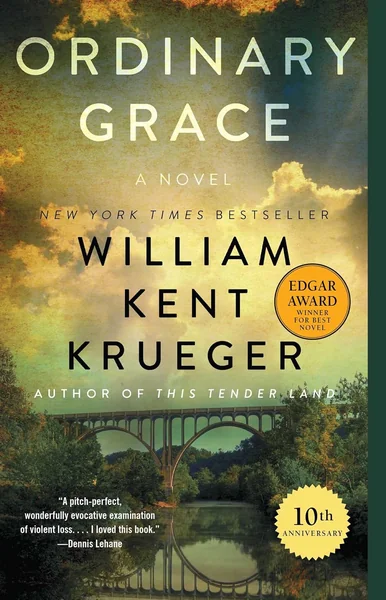
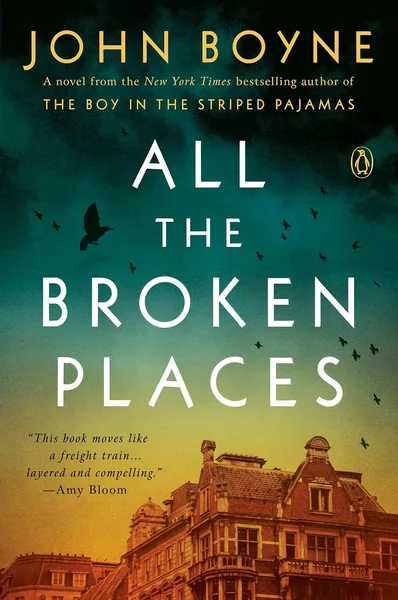
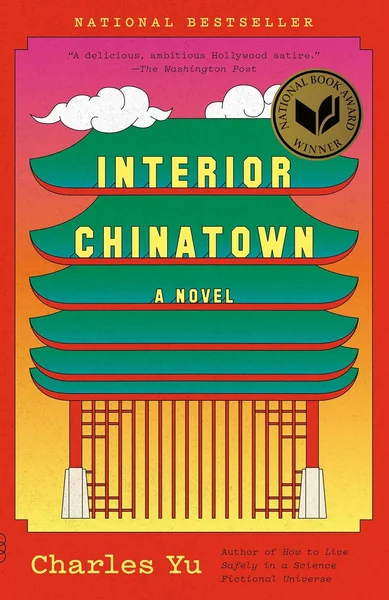
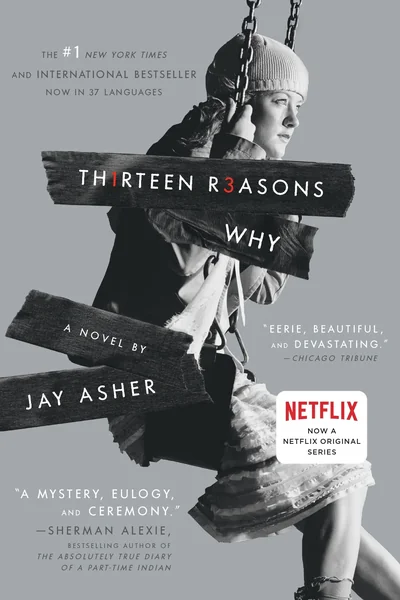
- Readers drawn to An Inspector Calls's examination of guilt, moral responsibility, and the consequences one generation's choices leave for others may find rewarding company in several titles curated below. All the Broken Places by John Boyne pursues a similar reckoning with complicity and the weight of past wrongs. Thirteen Reasons Why by Jay Asher, like Priestley's play, builds a chain of responsibility around a young woman's death and asks how much each person's actions contributed to it. Ordinary Grace by William Kent Krueger shares the play's preoccupation with a community's collective relationship to sudden death and moral failure. The Catcher in the Rye by J.D. Salinger and Interior Chinatown by Charles Yu both engage with questions of social identity, class, and who gets to be seen as fully human — concerns that sit at the heart of Priestley's drama.
- Who should read this?
- This play is essential reading for students studying GCSE or IGCSE English Literature, for whom it is a prescribed text, but its appeal extends well beyond the classroom. Readers interested in mid-20th century British drama, socialist political theatre, or the mechanics of dramatic irony will find it a foundational and rewarding work. General readers who appreciate compact, high-stakes moral drama — and who want a text that can be read in a single sitting — will find Priestley's argument about collective responsibility as uncomfortable and relevant as ever. Readers seeking psychological complexity or narrative unpredictability may be less satisfied, as the play's characters are deliberately constructed to embody moral positions rather than fully rounded inner lives.
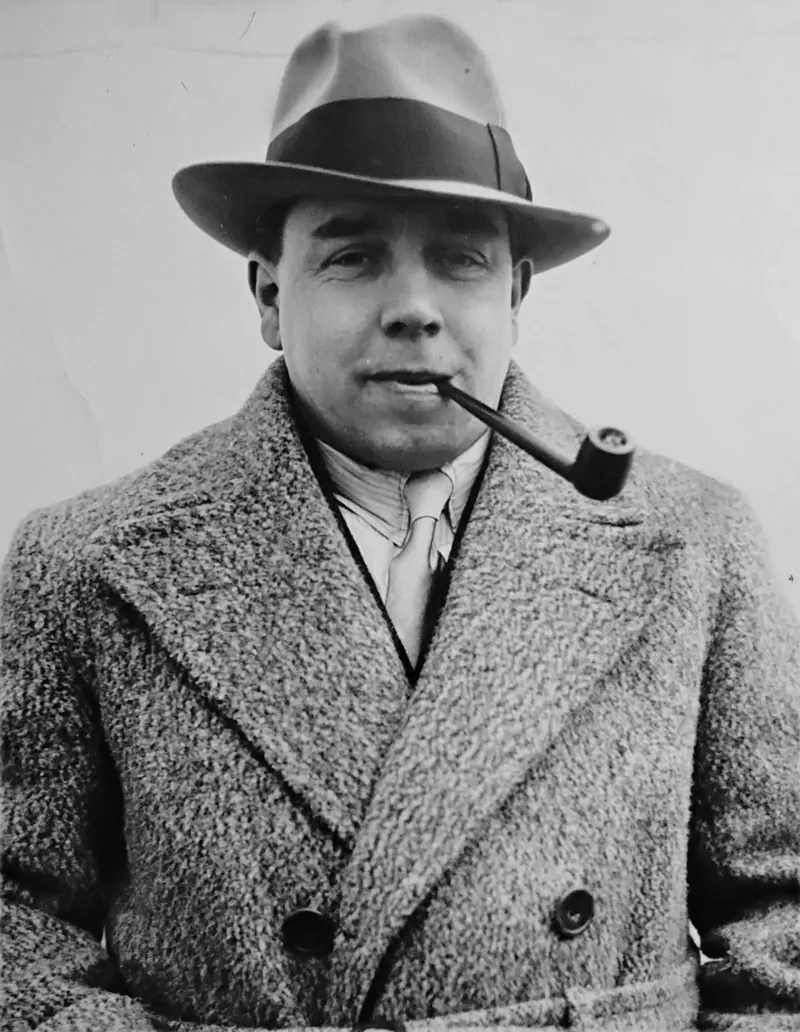
- About J.B. Priestley
- John Boynton Priestley was an English novelist, playwright, screenwriter, broadcaster, and social commentator.
- What are the main themes?
- The dominant theme of An Inspector Calls is collective responsibility: Inspector Goole's final warning to the Birlings insists that individuals cannot wall themselves off from the consequences of their actions on others, particularly the vulnerable. Closely related is Priestley's sustained critique of class and capitalism — Arthur Birling's willingness to exploit his workers, Sybil's social condescension, and the family's instinct to protect reputation over truth all function as indictments of Edwardian entitlement. Dramatic irony operates as both a structural device and a thematic one: the audience's knowledge of two World Wars to come exposes Birling's confident proclamations as catastrophically wrong, framing Edwardian complacency as a known historical disaster. Hypocrisy — the gap between the family's respectable self-image and the reality of their behaviour — runs beneath every scene.
- Tell me about the adaptations
- The play's modern reputation was decisively shaped by Stephen Daldry's landmark 1992 National Theatre revival, which one critic credited with 'reclaiming JB Priestley's play from the realms of banal period whimsy.' Daldry's production transferred to Broadway in 1994, where it ran for 454 performances and prompted a wide critical reappraisal of Priestley as a politically engaged playwright. A film adaptation was made in 1954 starring Alec Guinness, and the play has been adapted for British television on multiple occasions. The stage version continues to be widely performed internationally, cementing its status as a recognised classic of mid-20th century English theatre.
- What's the reading level?
- An Inspector Calls is written in accessible, naturalistic prose dialogue that does not present significant vocabulary or comprehension barriers, and it is widely taught to students from around age 14 as a GCSE and IGCSE set text. The language is straightforward, but the thematic weight — class politics, collective moral responsibility, and the interrogation of Edwardian hypocrisy — rewards a reader able to engage with layered argument. Its greatest complexity lies not in sentence difficulty but in its dramatic architecture: the significance of dramatic irony, the function of each character as a moral position, and the ambiguity surrounding Inspector Goole's identity.
Summarize this book
Follow up
Synthesized from verified book data & published reviews · How we review
Press Enter to ask. Answers come from our editorial Q&A — start typing to see related questions.
Age & Reading Level
Recommended age
Ages 14–16
Reading level
Adult
3 content notes · who it suits
Content to know about
Best for: Ages 14 and up — the play's themes of suicide, sexual exploitation, and class politics, combined with its layered political argument, suit a mature teen and adult readership; it is a standard GCSE and IGCSE set text for students around age 14-16
Skip if you want psychologically complex, fully rounded characters rather than figures who embody explicit moral and political positions
Books like An Inspector Calls
Curated picks for readers who enjoyed An Inspector Calls, with our reasoning for each match.
If you liked An Inspector Calls