
At a glance
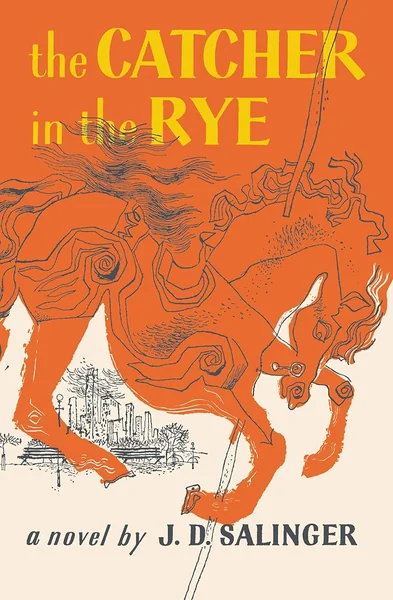
The Catcher in the Rye
LuvemBooks Verdict
Best for: Readers drawn to confessional, first-person narration and psychologically complex protagonists who want to understand why Holden Caulfield became a defining icon of adolescent alienation in American literature.
Worth it? Skip it? Read the full verdict →Ask LuvemBooks
Was this helpful?
- Is it worth reading?
- For readers who respond to confessional, stream-of-consciousness narration and morally complicated protagonists, The Catcher in the Rye remains a richly rewarding experience — its canonical stature is backed by over 65 million copies sold and placement on both Time's and Modern Library's lists of the 100 best English-language novels. Critic Adam Gopnik has called it one of the "three perfect books" in American literature, alongside Adventures of Huckleberry Finn and The Great Gatsby. The key caveat is structural: Holden's journey is deliberately circular and offers no tidy catharsis, and his relentless dismissal of nearly everyone as a "phony" can feel repetitive to readers who aren't on his wavelength. LuvemBooks considers its thematic depth — spanning grief, depression, identity, and the loss of innocence — considerably broader than its reputation as a simple rebellion story.
- Similar books
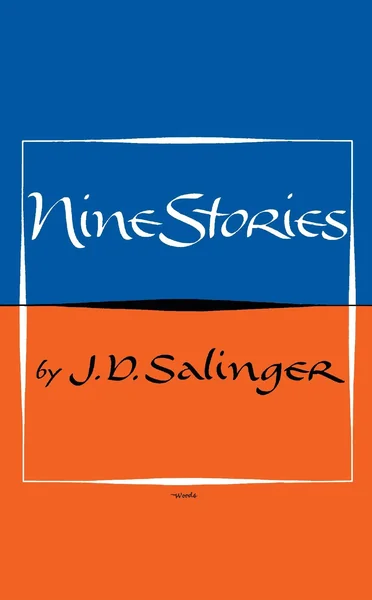
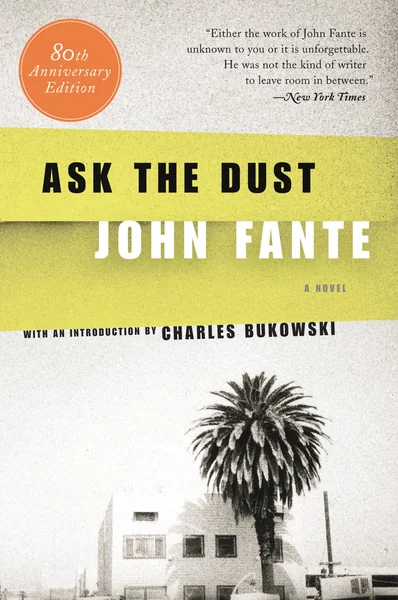
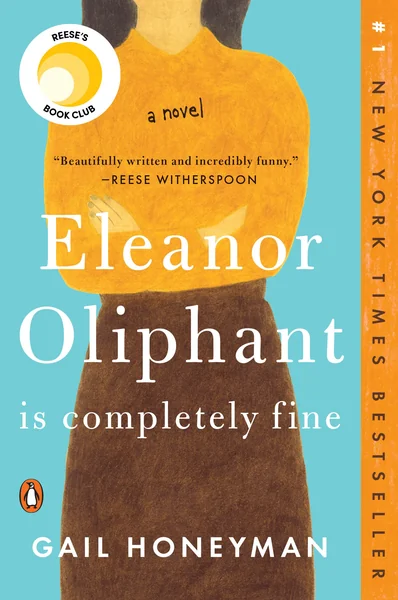
- Readers who connect with The Catcher in the Rye's portrait of alienation and a voice-driven outsider narrator will find strong echoes in several curated picks. Nine Stories by J. D. Salinger offers more of Salinger's distinctive prose in a short-story format, with several pieces revisiting the Glass family and the themes of innocence and disillusionment familiar from Holden's world. The Goldfinch by Donna Tartt similarly follows a young man unmoored by loss and grief across a decades-spanning story. Eleanor Oliphant Is Completely Fine by Gail Honeyman features an isolated, socially alienated protagonist whose inner voice is at once prickly and unexpectedly moving. Ask the Dust by John Fante offers another iconic portrait of a young man adrift in a great American city, and The Midnight Library by Matt Haig explores identity, regret, and the search for meaning with emotional directness.
- Who should read this?
- The Catcher in the Rye is an ideal fit for readers who love voice-driven literary fiction and are drawn to psychologically complex, unreliable narrators — particularly those comfortable sitting with emotional ambiguity rather than resolution. It is widely assigned to readers fifteen and older, given its unflinching treatment of depression, grief, sexual anxiety, and social alienation. Readers with an appetite for mid-century American literary fiction, or those curious about New York City's cultural history — critic Adam Gopnik has written that no book has ever captured the city better than this one captures 1950s New York — will find particular reward. It is not recommended for readers who need traditional plot structure or who find relentlessly critical narrative voices exhausting.
- What age is it for?
- Best for readers aged 15 and up. The Catcher in the Rye is widely assigned to readers fifteen and older because its themes — depression, grief, sexual anxiety, and social alienation — are treated without softening or resolution. The novel's originally intended adult readership is worth noting, though it has found its most devoted audience among adolescents in that 15+ range.
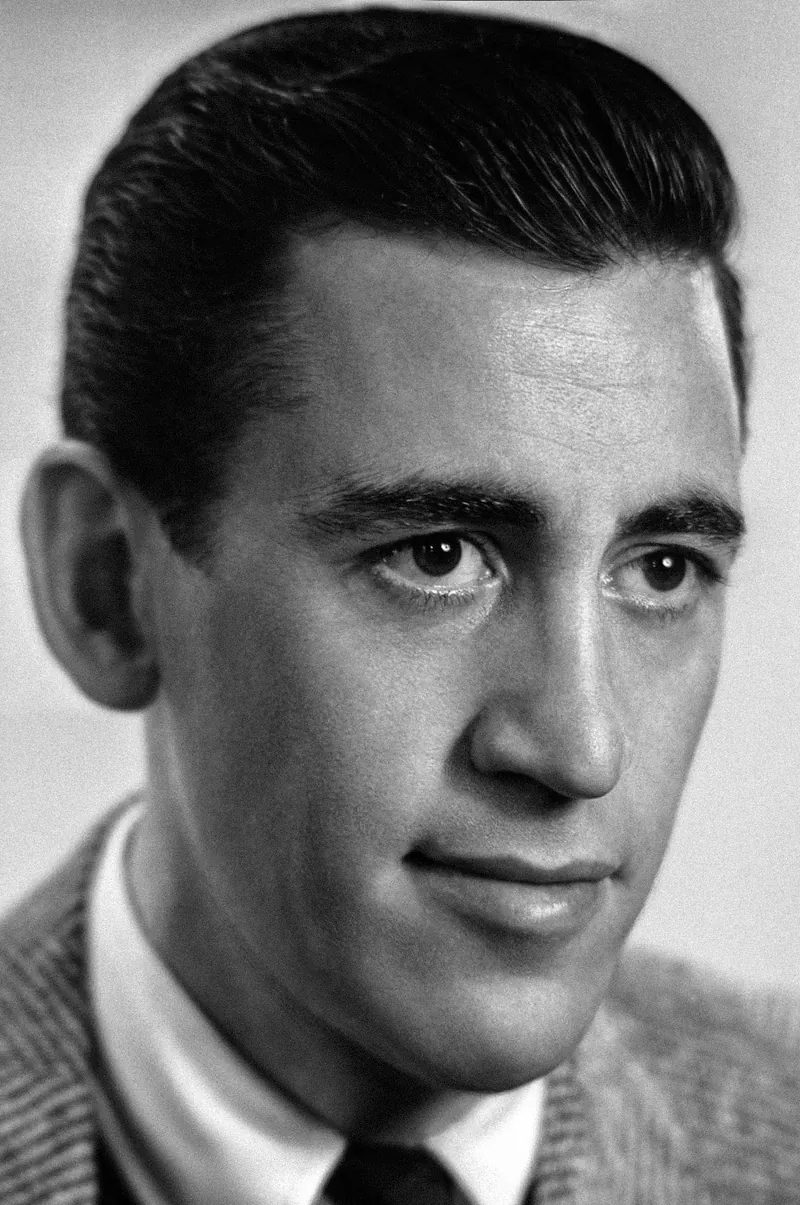
- About J. D. Salinger
- Jerome David Salinger was an American author best known for his 1951 novel The Catcher in the Rye.
- What are the main themes?
- The Catcher in the Rye's thematic range is considerably wider than its reputation as a teenage rebellion story suggests. At its core, the novel is about alienation and the desperate search for authenticity — Holden's contempt for "phoniness" is both a worldview and a defense mechanism against grief and depression. The loss of innocence is central: Holden's anguish over his dead brother Allie and his fierce protectiveness toward his sister Phoebe reveal a young man trying to preserve something pure in a world he experiences as corrupting. Wikipedia's summary of the novel's concerns lists innocence, identity, belonging, loss, connection, sex, and depression alongside angst and alienation — a breadth that helps explain why the book has sustained serious academic attention for decades.
- Why has this book been banned?
- The Catcher in the Rye has been one of the most frequently challenged books in American schools, drawing objections to its language, sexual references, and Holden's contemptuous attitude toward authority. The review notes a documented irony: as high school teacher Shelley Keller-Gage observed after facing objections to her classroom assignment of the novel, "the challengers are being just like Holden. … They are trying to be catchers in the rye." Beyond classroom controversy, the book has been linked — in ways entirely unrelated to Salinger's intent — to real-world violence, including John Hinckley Jr.'s assassination attempt on Ronald Reagan and Mark David Chapman's murder of John Lennon, associations that have shadowed its public life for decades.
- How does this compare to Nine Stories?
- The Catcher in the Rye and Nine Stories are Salinger's two most celebrated works, and while both showcase his precisely calibrated prose and preoccupation with innocence and disillusionment, they are very different reading experiences. The Catcher in the Rye is a single sustained narrative driven entirely by Holden Caulfield's unbroken first-person voice, while Nine Stories is a short-story collection that allows Salinger to range across multiple characters and settings. Readers drawn to Holden's voice and the novel's immersive psychological intensity may find the shorter pieces of Nine Stories a different kind of reward — concentrated rather than cumulative. LuvemBooks has reviewed both, and Nine Stories is among the curated similar reads for this title.
Summarize this book
Follow up
Synthesized from verified book data & published reviews · How we review
Press Enter to ask. Answers come from our editorial Q&A — start typing to see related questions.
Age & Reading Level
Recommended age
Ages 12–18
Reading level
Young adult
5 content notes · who it suits
Content to know about
Best for: Mature teens 15+ — themes of depression, grief, sexual anxiety, and social alienation are treated without softening, and the novel was originally written for an adult readership.
Skip if you need a conventionally plotted narrative with clear resolution and a likeable protagonist.
Books like The Catcher in the Rye
Curated picks for readers who enjoyed The Catcher in the Rye, with our reasoning for each match.
If you liked The Catcher in the Rye
Why It’s Trending
The Catcher in the Rye Turns 75 in 2026
Salinger's classic is marking its 75th anniversary this year, and publisher Hachette is celebrating the milestone. That's brought renewed attention to a book that already sells around a million copies a year — and it's a good excuse to finally read it or revisit it.