
At a glance

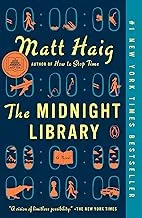
The Midnight Library
by Matt Haig
LuvemBooks Verdict
Best for: Readers navigating depression, burnout, or a sense of paths not taken who want an emotionally accessible speculative novel that literalises regret and the case for living — without demanding hard SF rigour or tonal darkness.
Worth it? Skip it? Read the full verdict →Ask LuvemBooks
Was this helpful?
- Is it worth reading?
- For readers open to emotionally accessible speculative fiction, The Midnight Library offers a genuinely distinctive premise and handles depression and suicidal ideation with uncommon clarity and warmth. Its commercial reception — over 733,000 UK copies sold by September 2023 — reflects how broadly that emotional register lands. The key caveat, noted by NPR's Jason Sheehan and Publishers Weekly, is that Nora's passivity and the repetitive enter-discover-exit structure of each alternate life can make the episodic middle section feel taxing before the resolution arrives. Readers who prefer moral ambiguity left unresolved or a protagonist who actively drives events may find the novel's ultimate warmth a trade-off rather than a reward.
- Similar books
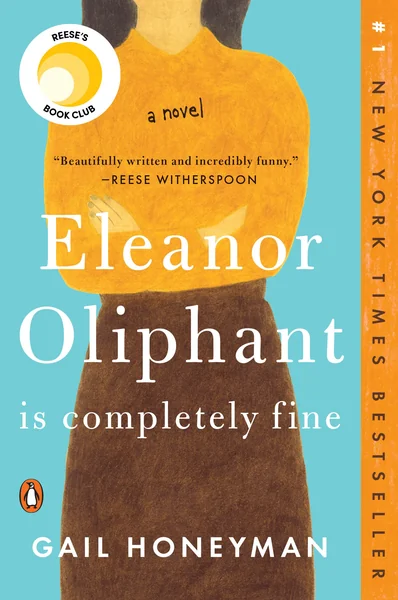
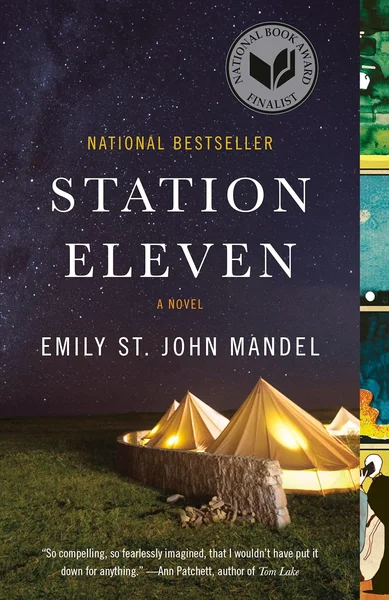
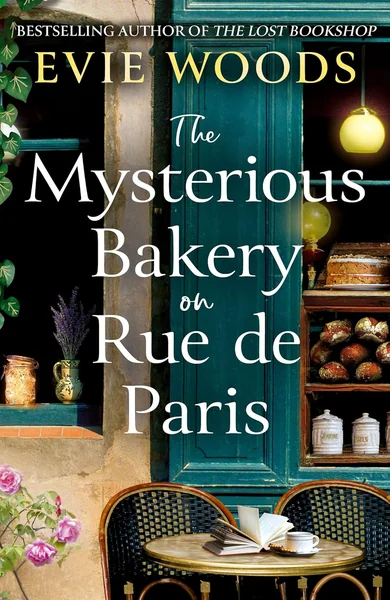
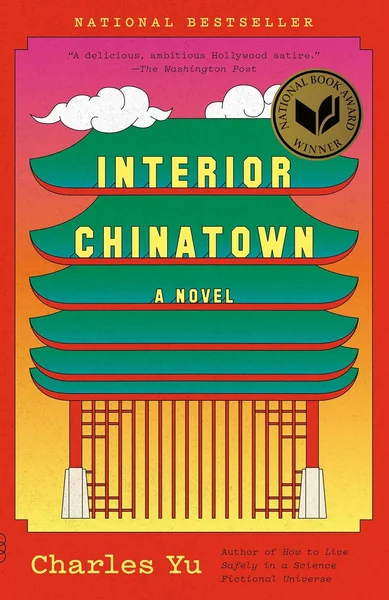
- Readers drawn to The Midnight Library's blend of speculative premise and emotional accessibility will find strong companions in the curated selections below. Eleanor Oliphant Is Completely Fine by Gail Honeyman shares the same warmly accessible approach to a socially isolated protagonist navigating loneliness and past trauma. Station Eleven by Emily St. John Mandel similarly uses a non-linear, multi-life structure to ask what makes existence meaningful, with greater tonal complexity. Interior Chinatown by Charles Yu employs a self-aware genre architecture — as Haig uses the library — to interrogate identity and unlived possibility. The Seven Husbands of Evelyn Hugo by Taylor Jenkins Reid and The Lost Bookshop by Evie Woods both share the novel's preoccupation with roads not taken and the weight of accumulated choices across a life.
- Who should read this?
- The Midnight Library is best suited to readers who appreciate emotionally accessible speculative fiction and are open to a novel that prioritises feeling over rigorous philosophical or scientific detail. It will resonate most with readers who have experienced regret about unchosen paths, or who want fiction that handles depression and suicidal ideation with clarity and warmth rather than clinical distance. Readers who prize a protagonist who actively drives events, moral complexity left genuinely unresolved, or dense world-building will likely find the novel's gentle resolution and episodic structure a mismatch for their tastes.
- About Matt Haig
- Matt Haig is an English author and journalist.
- What are the main themes?
- The novel's central themes are regret, unlived lives, and the relationship between choice and self-worth. Haig uses the library's fantasy architecture to make the internal logic of depression — the conviction that any other life would be better than one's own — literally inhabitable, and then interrogatable, as Nora discovers that every alternate life carries its own suffering and loss. Parallel to this is a theme of acceptance: Mrs. Elm's guiding presence and the novel's resolution push toward the idea that meaning is found not by escaping one's life but by re-engaging with it. Critics noted the philosophical framework is kept deliberately accessible, gestating at quantum indeterminacy and parallel universe theory without rigorously exploring either.
- Any content warnings?
- The Midnight Library opens with Nora Seed's suicide attempt by overdose and centres on suicidal ideation, depression, and the emotional aftermath of multiple losses throughout. The treatment is accessible and compassionate rather than graphic, but readers who are sensitive to depictions of suicide or self-harm should be aware these are the novel's foundational subject matter. The alternate-life strand involving rock stardom also includes the death of Nora's brother Joe by drug overdose.
Summarize this book
Follow up
Synthesized from verified book data & published reviews · How we review
Press Enter to ask. Answers come from our editorial Q&A — start typing to see related questions.
Age & Reading Level
Recommended age
Ages 16+
Reading level
Adult
4 content notes · who it suits
Content to know about
Best for: Adults / mature 16+ — the novel's central subject matter is suicide, suicidal ideation, and depression throughout
Skip if you want a protagonist who actively drives events and moral complexity that remains genuinely unresolved
Editorial Review
Matt Haig's speculative novel The Midnight Library follows Nora Seed through a liminal space between life and death where every unchosen path becomes a door — a richly imaginative premise that earned strong sales and generally positive critical reception, though some critics found its emotional resolution more comforting than challenging.
Read the Full ReviewBooks like The Midnight Library
Curated picks for readers who enjoyed The Midnight Library, with our reasoning for each match.
If you liked The Midnight Library
Why It’s Trending
Florence Pugh Attached to Star in The Midnight Library Netflix Adaptation
A film version of The Midnight Library is in active development, with Florence Pugh signed on to star and produce. The project launched at Cannes and is being developed through Studiocanal and Blueprint Pictures, giving the beloved novel a major new moment in the spotlight.