At a glance
LuvemBooks Verdict
Best for: Readers drawn to character-driven literary fiction who want emotional range — dark psychological depth wrapped in deadpan humour — and who respond to stories of found family and incremental healing.
Worth it? Skip it? Read the full verdict →Ask LuvemBooks
Was this helpful?
- Is it worth reading?
- For readers drawn to character-driven literary fiction that balances genuine humor with emotional depth, the novel is an exceptional achievement — particularly for a debut. It earned a starred review from Booklist, was called 'astounding' by PopMatters, and the Associated Press praised Honeyman's delivery as 'wickedly good' in what it described as 'a fascinating story about loneliness, hope, tragedy and humanity.' The key caveat is tonal: readers who come expecting straightforward uplifting fiction may find the novel's dark psychological underpinnings more demanding than the comic surface suggests.
- Similar books
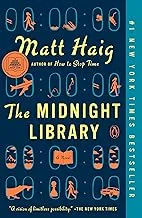
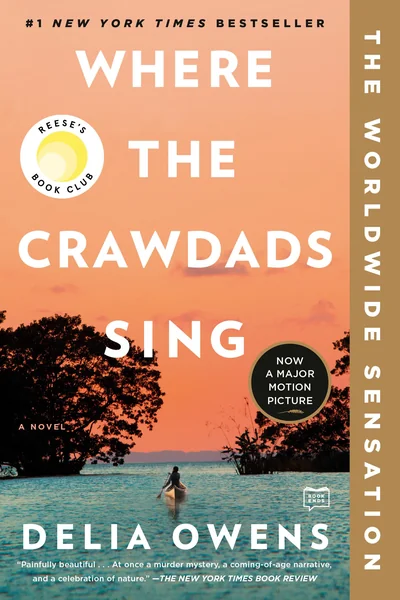
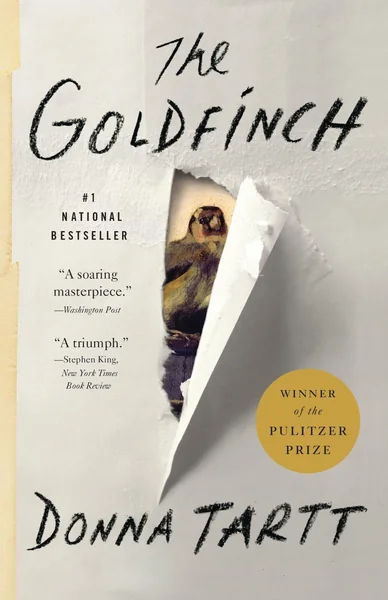
- Readers who responded to Eleanor Oliphant's blend of deadpan humor, emotional depth, and psychological revelation will find similar satisfactions nearby. Matt Haig's The Midnight Library shares the theme of a damaged life gradually reclaimed, with the same balance of warmth and quiet darkness. Where the Crawdads Sing by Delia Owens offers another story of a profoundly isolated protagonist navigating the world on her own terms. For literary fiction with psychological complexity and family trauma at its center, The Goldfinch by Donna Tartt and All the Broken Places by John Boyne are strong companions. Claire Lombardo's The Most Fun We Ever Had explores found and fractured family with a similarly wide emotional register.
- Who should read this?
- The novel is best matched to readers who enjoy character-driven literary fiction with humor as its primary register, and who respond to stories of found family and incremental healing. Reese Witherspoon's endorsement and the novel's long run in reading groups signal a strong fit for book club audiences. Readers seeking a single clearly defined genre — pure thriller, pure romantic comedy, or purely light contemporary fiction — may find the tonal shifts more demanding than expected; the novel's darker backstory, when it surfaces, deals with serious trauma.
- About Gail Honeyman
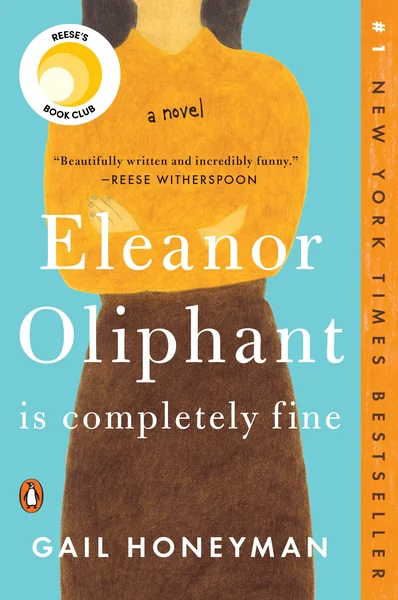
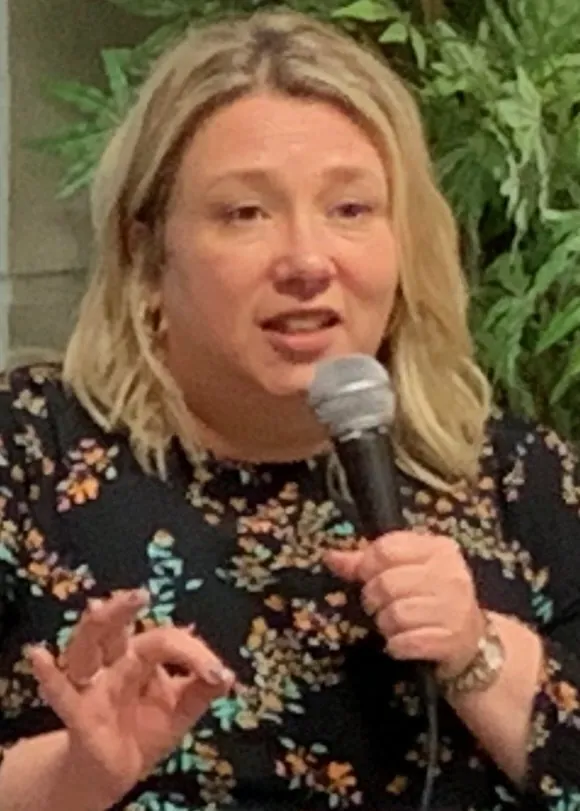
- Gail Honeyman is a Scottish writer whose debut novel, Eleanor Oliphant Is Completely Fine, won the 2017 Costa First Novel Award.
- Tell me about the adaptation
- A major motion picture adaptation of Eleanor Oliphant Is Completely Fine is forthcoming, produced by Reese Witherspoon — the same Reese Witherspoon whose book club selection helped drive the novel's enormous mainstream readership. The adaptation is noted as part of the novel's unusually wide cultural reach for a literary debut. Specific release dates and casting details are not confirmed in the current editorial record.
- What are the main themes?
- Loneliness, friendship, and the long road to psychological healing are the novel's core preoccupations. The Associated Press framed it as 'a fascinating story about loneliness, hope, tragedy and humanity' — a description that captures the duality at the book's heart: what reads as deadpan social comedy is simultaneously a portrait of profound psychological damage and survival. The themes of found family (Eleanor, Raymond, and Sammy), the nature of trauma, and the way people construct protective fictions around their own pain all run through the novel's two registers at once.
- What awards has it won?
- Eleanor Oliphant Is Completely Fine won the Costa First Novel Award and the British Book Awards Book of the Year — two of the most prominent recognitions in British publishing — and debuted at #1 on the New York Times bestseller list, a rare convergence of critical and popular success for a debut novel. It was also shortlisted for the Lucy Cavendish College Fiction Prize, the Desmond Elliot Award, and the Author's Club Best First Novel, and longlisted for the Women's Prize for Fiction. Simultaneously a Reese Witherspoon Book Club pick, the novel achieved an unusual breadth of recognition across both the literary and mainstream reading worlds.
Summarize this book
Follow up
Synthesized from verified book data & published reviews · How we review
Press Enter to ask. Answers come from our editorial Q&A — start typing to see related questions.
Age & Reading Level
Recommended age
Ages 16+
Reading level
Adult
3 content notes · who it suits
Content to know about
Best for: Adults / mature 16+ — the novel's backstory involves serious childhood trauma and psychological damage that surfaces gradually beneath a deceptive comic surface.
Skip if you want purely light, uncomplicated uplifting fiction with no psychological darkness.
Editorial Review
Gail Honeyman's debut novel Eleanor Oliphant Is Completely Fine is a #1 New York Times bestseller and Reese Witherspoon Book Club pick that won the Costa First Novel Award and the British Book Awards Book of the Year — a rare convergence of popular and critical acclaim for a story about loneliness, friendship, and the long road to healing.
Read the Full ReviewBooks like Eleanor Oliphant Is Completely Fine
Curated picks for readers who enjoyed Eleanor Oliphant Is Completely Fine, with our reasoning for each match.
If you liked Eleanor Oliphant Is Completely Fine