Skip to content
Reviewed

Updated

Read Time

9 min read

Age & reading levelAdult
Reader rating
4.4 · 45,885 Amazon ratings
reader ratings, not a LuvemBooks score
Curated & edited by

LuvemBooks Editorial

How we create our reviews →
Share This Review
Front cover of The Mysterious Bakery on Rue de Paris

Our review

The Mysterious Bakery on Rue de Paris

The Mysterious Bakery on Rue de Paris by Evie Woods Review: Whimsical Magical Realism Set in France

Evie Woods returns with a wistful, whimsical novel blending magical realism, historical fiction, and romance, following Edith as she escapes heartache in Ireland for a mysterious bakery in Compiègne, France — only to discover that some ghosts from the past are harder to outrun than others.

Front cover featuring a teal-doored Parisian bakery storefront with pastries, warm lighting, and café seating.Woman wearing green blouse with floral embroidery, styled for a Parisian-themed book promotion.Stack of copies showing front cover with Parisian bakery window display and champagne bottles imagery.Tap to enlarge
Adultgrief and loss

LuvemBooks Verdict

Best for

Readers who love emotionally layered magical realism set in evocative European locales — particularly those drawn to food, France, grief-inflected romance, and dual-timeline narratives in the vein of Before the Coffee Gets Cold.

Worth it if

You responded to The Lost Bookshop or similarly cosy, atmosphere-first magical realism where the past exerts a supernatural pull on the present, and you're happy to let warmth and emotional resonance take precedence over plot momentum.

Skip if

You prefer tightly plotted, propulsive fiction over transportive atmosphere, or find the genre conventions of cosy magical realism a limiting frame.

Reviewer responses are largely warm: jenmedsbookreviews.com praises Woods for transporting readers "to a different time and place" with charming, relatable characters and seamlessly woven mysterious elements, while bookclb.com offers a more measured take, calling it "heartwarming" but noting it is "not without its flaws — particularly in pacing."

Sources: jenmedsbookreviews.com, bookclb.com, caffeinatedbookreviewer.com, swirlandthread.com, girl-who-reads.com, cindylspear.com
4.4from 45,885 Amazon ratings— reader ratings, not a LuvemBooks score

Preview the book

Front cover of The Mysterious Bakery on Rue de Paris
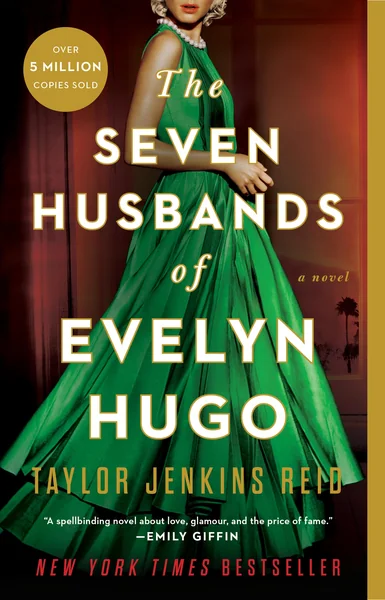
Front cover featuring a teal-doored Parisian bakery storefront with pastries, warm lighting, and café seating.
Woman wearing green blouse with floral embroidery, styled for a Parisian-themed book promotion.
Stack of copies showing front cover with Parisian bakery window display and champagne bottles imagery.
Front cover featuring a teal-doored Parisian bakery storefront with pastries, warm lighting, and café seating.

Ask LuvemBooks

Was this helpful?

The Mysterious Bakery on Rue de Paris is Evie Woods's wistful, whimsical blend of magical realism and historical fiction, following Edie as she flees heartache in Ireland for a French bakery in Compiègne — only to find that the bakery's haunted past threatens everything she is trying to build. A natural next read for fans of cosy, grief-inflected magical realism, it delivers Woods's signature transportive atmosphere and dual-timeline emotional depth, though readers who prize tight plotting over warmth and atmosphere should note that pacing and certain plot resolutions have drawn criticism.

Is it worth reading?
For readers drawn to cosy magical realism with a European atmosphere — particularly those who loved The Lost Bookshop or titles like Before the Coffee Gets Cold — The Mysterious Bakery on Rue de Paris is a rewarding choice, praised for its transportive descriptions, charming characters, and emotionally layered dual timeline. The key caveat is structural: some reviewers note uneven pacing, a recognised challenge of the dual-timeline format. Those who prioritise propulsive, plot-driven storytelling over atmosphere and emotional warmth may find the genre conventions limiting, but for its intended audience the emotional resonance largely delivers.
Similar books
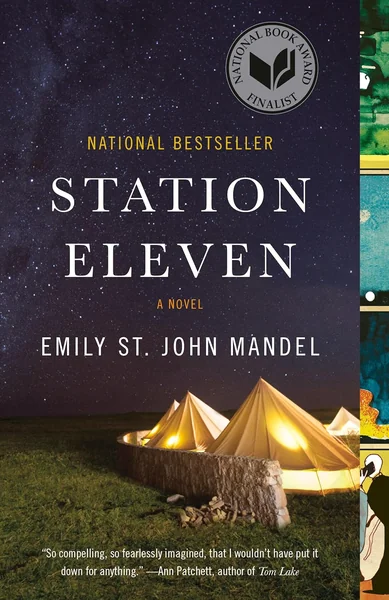
Readers who enjoy The Mysterious Bakery on Rue de Paris are likely to connect with several titles in the same emotional neighbourhood. Evie Woods's own The Lost Bookshop shares its dual-timeline structure, magical-realist sensibility, and European literary atmosphere. Matt Haig's The Midnight Library offers a similarly grief-inflected, life-affirming magical realism. For emotionally layered character studies with an atmospheric setting, Eleanor Oliphant Is Completely Fine by Gail Honeyman and Where the Crawdads Sing by Delia Owens both resonate thematically. Those drawn to the historical strand may also appreciate The Frozen River by Ariel Lawhon and The Seven Husbands of Evelyn Hugo by Taylor Jenkins Reid for their dual-timeline and deeply researched historical depth.
Who should read this?
The Mysterious Bakery on Rue de Paris is best suited to readers who respond to emotionally layered magical realism set in evocative European locales — particularly those drawn to themes of food, France, grief, and the supernatural pull of the past on the present. Fans of Evie Woods's previous work, especially The Lost Bookshop, will find her signature warmth intact. The publisher's comparison to Before the Coffee Gets Cold and The Full Moon Coffee Shop is a reliable compass: if those titles resonate, this novel occupies the same emotional and tonal territory. Readers who prioritise atmosphere and emotional warmth over tightly plotted narratives will be most at home here.
About Evie Woods
Evie Woods is the pen name of Evie Gaughan, an Irish novelist best known for The Lost Bookshop.
What are the main themes?
The novel's central themes are grief, healing, and self-discovery — explored through Edie's journey from heartbreak in Ireland to an unexpected new life in Compiègne. The dual timeline deepens these themes by connecting Edie's contemporary struggle to the heartbreaking historical origin story of the bakery, suggesting that healing is not linear but arrives in unexpected moments. Folklore and the idea of unseen forces shaping ordinary lives are also woven throughout, consistent with Woods's broader literary interest in the boundary between what is real and what we wish were so.
How does it compare to The Lost Bookshop?
The two novels share the same structural DNA — a dual timeline, a mysterious European location at the centre of the story, magical-realist elements woven into everyday life, and Woods's signature warmth. Where The Lost Bookshop centred on books and a Dublin bookshop, The Mysterious Bakery on Rue de Paris turns to French patisserie and the small town of Compiègne. One source suggests this novel engages more deeply with its historical elements than some of Woods's earlier work, though the core emotional and tonal register will feel immediately familiar to fans of The Lost Bookshop.
Summarize this book

Summarize this book

The Mysterious Bakery on Rue de Paris follows Edie, an Irish woman who escapes heartache and singledom by relocating to Compiègne, France, where she encounters a bakery on Rue de Paris that is not quite what it seems. The novel unfolds across two timelines: a contemporary strand tracking Edie's efforts to rebuild her life, and a historical strand uncovering the origins of the bakery and its original owner — a backstory whose heartbreaking and magical twist ripples forward to threaten both the bakery and Edie's new beginning. Published by One More Chapter in April 2025, it weaves together themes of grief, healing, romance, and self-discovery within an evocative French setting.

Follow up

How do the two timelines connect?
What is the French setting like?
What is the overall tone?

Synthesized from verified book data & published reviews · How we review

Ask LuvemBooks

What would you like to know about The Mysterious Bakery on Rue de Paris?

Answers come from our editorial notes on this book. If we haven't covered something, we'll say so.

Readers often ask

Our Review

We review the evidence: published critics, reader verdicts and BookTube reviews, gathered and weighed with AI assistance and edited by LuvemBooks, rather than one reader's first-hand take.

From the million-copy bestselling author of The Lost Bookshop comes a novel steeped in sorrow, secrets, and sweets.

What the Novel Is and What It Contains

The Mysterious Bakery on Rue de Paris is a work of magical realism and historical fiction published by One More Chapter in April 2025. Its protagonist, Edith — referred to by readers and the publisher as Edie — flees heartache and singledom in Ireland and lands in Compiègne, France, where she encounters a bakery on Rue de Paris that is, as one synopsis puts it, "not exactly what it seems."
The novel unfolds across a dual timeline: a contemporary strand following Edie's efforts to build a new life, and a historical strand revealing the origins of the bakery and its original owner. That backstory carries a heartbreaking and magical twist that, according to one source excerpt, "ripples through to the present day and threatens not only the bakery but Edie's new life."
The result is a narrative shaped by grief, healing, romance, and the kind of unexpected self-discovery that has become characteristic of Woods's work.
Front cover featuring a teal-doored Parisian bakery storefront with pastries, warm lighting, and café seating.

Evie Woods's Signature Style and Place in the Genre

Woods is the author of The Lost Bookshop, which became the number-one Wall Street Journal, Sunday Times, Spiegel, and Amazon Kindle bestseller, sold over a million copies globally, was translated into thirty-one languages, and was shortlisted for a British Book Award. That track record gives The Mysterious Bakery on Rue de Paris a clear frame of reference: readers who know The Lost Bookshop or The Story Collector will recognise her established approach of folding contemporary storytelling around magical elements and historical depth.
Where The Lost Bookshop centred on books and a Dublin bookshop, this novel turns to French patisserie and a small French town, but the structural DNA is similar. The publisher positions it as ideal reading for fans of Before the Coffee Gets Cold and The Full Moon Coffee Shop — titles associated with quiet, emotionally resonant magical realism — signalling that Woods is deliberately working within a specific international tradition of cosy, grief-inflected fantasy.
Woman wearing green blouse with floral embroidery, styled for a Parisian-themed book promotion.

Strengths: Atmosphere, Dual Timeline, and Thematic Depth

The novel's most praised qualities centre on its transportive atmosphere and its handling of interconnected themes. One source notes that Woods "has once again managed to transport her readers to a different time and place with descriptions and images that have you wanting to be a part of the story," and that her characters are "charming and relatable."
On a thematic level, the book addresses grief and healing through Edie's journey, acknowledging — per one reading — that healing is not linear but arrives in unexpected moments. The dual timeline structure adds historical depth, with the bakery's origin story providing genuine emotional stakes that connect past and present.
Woods's acknowledged literary influences — folklore and the unseen forces that shape ordinary lives — are described by the publisher as the foundation of her "warm and uplifting narratives," and this novel is positioned as a direct expression of that intent: an invitation, as her biography frames it, for readers "to embrace the magic that already exists in our ordinary lives."
Stack of copies showing front cover with Parisian bakery window display and champagne bottles imagery.

Limitations: Pacing and Plot Resolution

Not all assessments are uniformly enthusiastic. One review from bookclb.com describes the novel as "not without its flaws — particularly in pacing."
While that source ultimately finds the reading experience satisfying and emotionally resonant, the criticism points to a recurring challenge in dual-timeline magical realism: balancing the momentum of two narrative strands. Readers who prefer tightly plotted fiction or resist the genre conventions of cosy magical realism — where atmosphere and emotional warmth often take precedence over narrative tension — may find the pacing uneven in places.
This is a structural observation grounded in the genre as much as in the specific execution, but it is worth flagging for those whose tastes run toward propulsive storytelling.
Woman wearing green blouse with floral embroidery, styled for a Parisian-themed book promotion.

Who This Book Is For

The Mysterious Bakery on Rue de Paris is designed for readers who respond to emotionally layered magical realism set in evocative European locales — particularly those drawn to food, France, and stories in which the past exerts a tangible, almost supernatural pull on the present. Fans of Woods's previous work will find her signature warmth intact, along with what one source describes as a deeper engagement with historical elements than some of her earlier novels.
The publisher's comparison to Before the Coffee Gets Cold and The Full Moon Coffee Shop is a reliable compass: if those titles resonate, this novel occupies recognisably similar emotional and tonal territory. For readers new to Woods, it functions equally well as a standalone introduction to her world — one built, as her own publisher puts it, at "the boundary between what is real and what we wish were so."

Sources & Further Reading

The key facts and claims in this review are grounded in the retrieved, verified sources listed below.

  1. Cited in this review
  2. 1
  3. 2
  4. 3
  5. Further reading
  6. 4

    Evie Woods, LuvemBooks

  7. 5
  8. 6
  9. 7
  10. 8
  11. 9
  12. 10
  13. 11

Age & Reading Level

Recommended age

Adult

Content to know about

grief and loss

Skip if you prefer tightly plotted, propulsive fiction over atmosphere and emotional warmth

From our readers

Reader reviews

Be one of the first readers to answer.

Read it? Was it right for you?

Books like The Mysterious Bakery on Rue de Paris

Curated picks for readers who enjoyed The Mysterious Bakery on Rue de Paris, with our reasoning for each match.