At a glance
LuvemBooks Verdict
Best for: Bibliophile readers who revel in bookshop atmospheres, literary history, and dual-timeline mysteries — particularly those drawn to women's fiction with real thematic weight and a taste for magical realism alongside period detail.
Worth it? Skip it? Read the full verdict →Ask LuvemBooks
Was this helpful?
- Is it worth reading?
- For readers who love books about books, The Lost Bookshop is a strongly crafted crossover novel whose commercial and critical reception — first place on the Wall Street Journal weekly book list, Sunday Times top 10, over one million copies sold by May 2024, and a shortlist for Page-Turner of the Year at the 2024 British Book Awards — reflects genuine wide appeal rather than hype alone. The Emily Brontë lost-manuscript puzzle, the Shakespeare and Company setting, and the thematically mirrored dual-timeline structure all give it more substance than a cozy bookshop premise might suggest. The key caveat is patience: the multi-strand first-person structure and slow convergence of timelines reward readers willing to hold several mysteries in parallel, but may frustrate those who prefer faster narrative payoffs or a single genre lane.
- Similar books
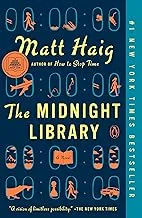
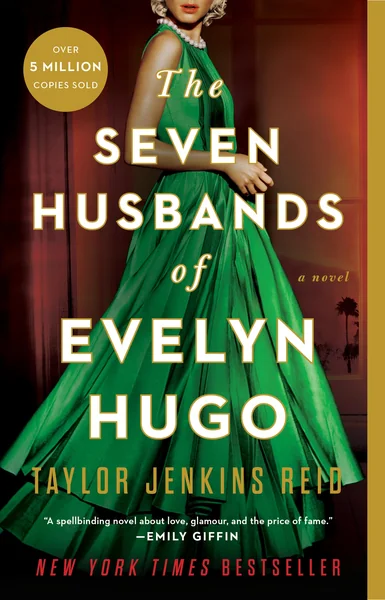
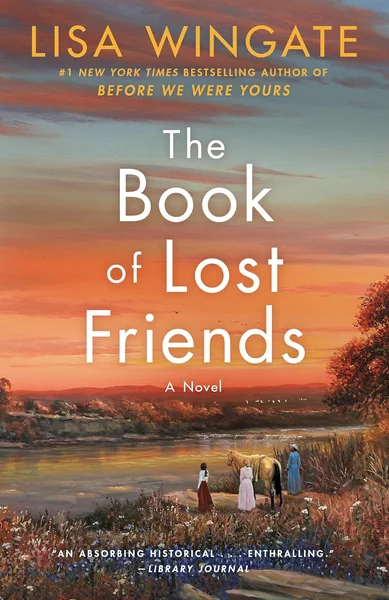
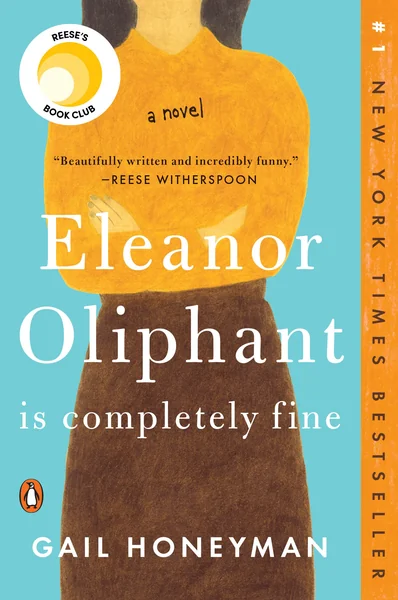
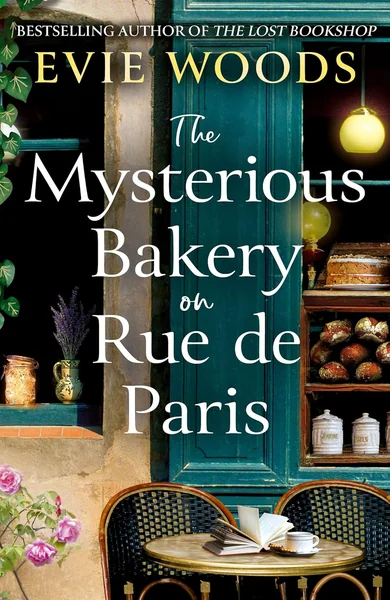
- Readers drawn to The Lost Bookshop will find strong companions among the curated titles below. Evie Woods's own The Mysterious Bakery on Rue de Paris shares her signature blend of European atmosphere and quiet magic. Matt Haig's The Midnight Library similarly uses a fantastical premise to explore second chances and the weight of unlived lives. Taylor Jenkins Reid's The Seven Husbands of Evelyn Hugo offers the same multi-strand, time-shifting structure built around a compelling central mystery. For historical fiction with serious real-world stakes, Lisa Wingate's The Book of Lost Friends and Ariel Lawhon's The Frozen River are natural adjacent reads. Eleanor Oliphant Is Completely Fine by Gail Honeyman shares the contemporary Irish-UK setting and the theme of a woman rebuilding her identity from a constrained past.
- Who should read this?
- The Lost Bookshop is designed squarely for readers who identify as book-lovers first — those for whom a novel set partly inside Shakespeare and Company, animated by a quest for a lost Emily Brontë manuscript, and populated with cameos from Hemingway and Joyce is a fantasy in itself. It also appeals strongly to fans of contemporary women's fiction who appreciate serious thematic engagement with female autonomy, domestic violence, and reinvention alongside the fantastical premise. As a book-club title it is particularly well-suited: its dual timelines, multiple narrators, and layered themes give groups plenty to discuss, while the mystery architecture sustains momentum.
- About Evie Woods
- Evie Gaughan, who now writes under the pen-name Evie Woods, is an Irish novelist best known for The Lost Bookshop.
- What are the main themes?
- The central thematic thread connecting the novel's two timelines is female autonomy and reinvention: both Opaline in 1920s Europe and Martha in contemporary Dublin are women escaping constrained circumstances and rebuilding identity. The novel engages seriously with domestic violence, alcoholism, and societal misogyny — material that sits alongside, and complicates, the more fantastical bookshop-and-manuscript premise. Bibliophilia and the mystical power of books and bookshops are also woven throughout, making the act of reading itself a recurring motif.
- Is this a good book-club pick?
- The Lost Bookshop is singled out as an ideal book-club title: it carries enough thematic weight — on female autonomy, domestic violence, escape, and reinvention — to sustain substantive discussion, while its mystery architecture keeps the plot moving. The dual timelines and three narrators (Opaline, Martha, and Henry) offer multiple entry points for readers with varied tastes within the same group, and the central bibliographic puzzle around Emily Brontë's lost manuscript gives discussions a concrete intellectual anchor alongside the emotional and thematic material.
- How does it compare to The Mysterious Bakery on Rue de Paris?
- Both The Lost Bookshop and The Mysterious Bakery on Rue de Paris share Evie Woods's signature blend of European atmosphere and quiet magic, and both were published under the Evie Woods pen name. The Lost Bookshop is the more structurally ambitious of the two, deploying dual timelines, three narrators, and a serious engagement with domestic violence and societal misogyny alongside its fantastical premise. It also marks a step change in commercial scale — the million-copy sales and major chart appearances represent a breakout that The Mysterious Bakery on Rue de Paris preceded as part of Woods's earlier catalogue.
Summarize this book
Follow up
Synthesized from verified book data & published reviews · How we review
Press Enter to ask. Answers come from our editorial Q&A — start typing to see related questions.
Age & Reading Level
Recommended age
Adult
Reading level
Adult
2 content notes · who it suits
Content to know about
Skip if you want a single-genre read — pure historical fiction, literary fantasy, or cozy romance — without a wide genre blend and slow-burn multi-timeline structure
Editorial Review
Evie Woods's The Lost Bookshop is a genre-blending novel that weaves magical realism, historical fiction, bibliophilia, and romance across two timelines — 1920s Europe and contemporary Dublin — drawing together three distinct narrators in a mystery centred on a vanished bookshop and a possibly undiscovered Emily Brontë manuscript. Published in 2023 by One More Chapter, an imprint of HarperCollins, it topped the Wall Street Journal's weekly book list, made the Sunday Times top 10, became a bestseller on Amazon UK and US, was shortlisted for Page-Turner of the Year at the 2024 British Book Awards, and by May 2024 had surpassed one million copies sold worldwide.
Read the Full ReviewBooks like The Lost Bookshop
Curated picks for readers who enjoyed The Lost Bookshop, with our reasoning for each match.
If you liked The Lost Bookshop