At a glance

LuvemBooks Verdict
Best for: Readers drawn to American history beyond the standard Civil War canon — particularly teachers, book clubs, and fans of Lisa Wingate's Before We Were Yours — who want an emotionally driven, dual-timeline story rooted in the real, underrepresented history of post–Civil War "Lost Friends" newspaper advertisements.
Worth it? Skip it? Read the full verdict →Ask LuvemBooks
Was this helpful?
- Is it worth reading?
- For readers drawn to American historical fiction with documented real-world roots, The Book of Lost Friends delivers genuine educational and emotional rewards — the 'Lost Friends' advertisements are a real, searchable historical record that most readers will encounter for the first time here. The 1875 narrative following Hannie, Lavinia, and Juneau Jane is widely praised as 'absorbing' and 'enthralling,' and the novel's breadth of critical reception — from Booklist and Library Journal to Deep South Magazine and All About Romance — reflects how deliberately Wingate has written for a wide, engaged readership. The honest caveat is that the deliberately accessible prose and the dual-timeline structure won't satisfy every reader: those seeking formally ambitious literary fiction or a tightly unified historical narrative without a modern frame may find it falls short of that bar.
- Similar books
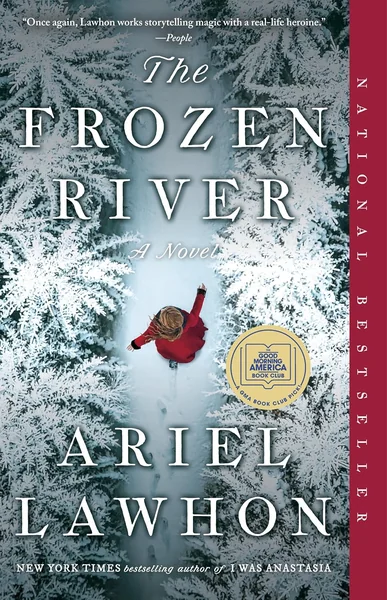
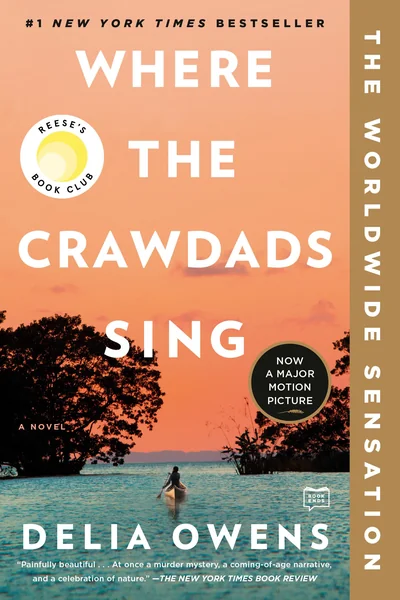
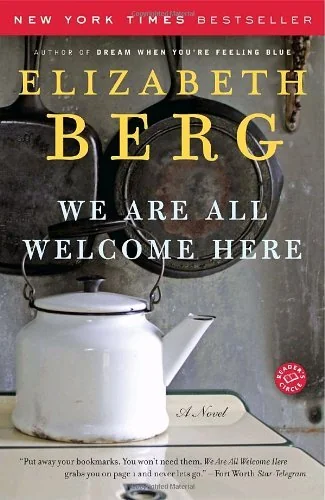
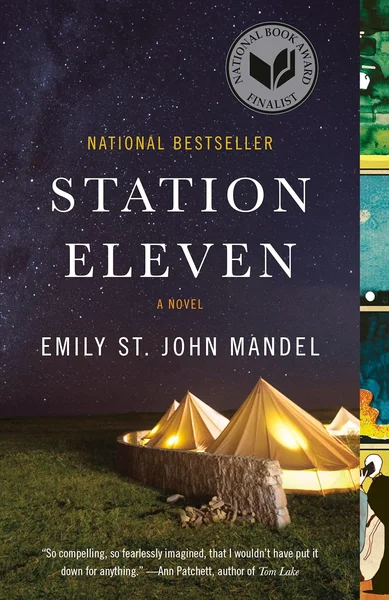
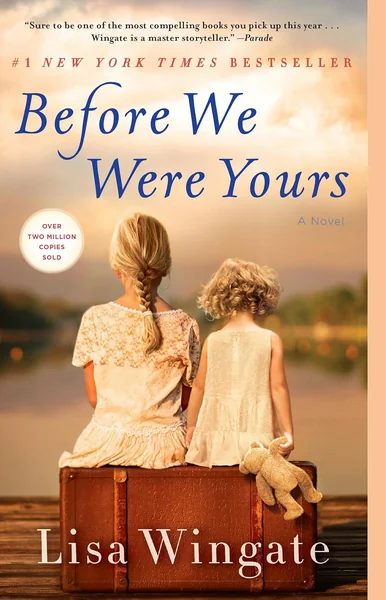
- Readers who enjoy The Book of Lost Friends are likely to appreciate several books featured on this page. Wingate's own Before We Were Yours shares the same dual-timeline structure, accessible prose, and focus on suppressed American history — it's the natural companion read. Kristin Hannah's The Four Winds similarly combines sweeping historical stakes, strong female protagonists, and emotionally driven storytelling. Where the Crawdads Sing by Delia Owens offers a comparable blend of Southern atmosphere, a mystery anchored in place and history, and broad popular appeal. For readers drawn to the 'hidden history uncovered by a modern detective' structure, Ariel Lawhon's The Frozen River — which similarly excavates a real historical record through a female protagonist — is a strong match.
- Who should read this?
- The Book of Lost Friends is best suited to readers of American historical fiction who want an emotionally driven story grounded in real, underrepresented history — particularly the post–Civil War 'Lost Friends' newspaper advertisements, a grassroots archive that has received limited mainstream attention. Fans of Lisa Wingate's Before We Were Yours will find a structurally and thematically familiar experience. Teachers, book clubs, and readers drawn to American history that moves beyond the standard Civil War canon will find particular value here. Readers who prefer formally experimental literary fiction or tightly unified historical narratives without a modern dual-timeline frame are the least likely to be fully satisfied.
- About Lisa Wingate
- Lisa Wingate is an American writer.
- What are the main themes?
- The Book of Lost Friends is built around family separation and the search for belonging — Hannie's quest to find her mother and siblings sold away during slavery is the novel's moral and emotional core, directly mirroring the real 'Lost Friends' advertisements that anchor the story. Survival, identity, and unlikely companionship run throughout the 1875 journey of Hannie, Lavinia, and Juneau Jane, three women from radically different social positions forced into a shared fate. A third theme — the persistence of the past into the present — structures the entire dual-timeline design, as 1987 teacher Benny Silva uncovers how that century-old journey still shapes the community around her.
- How does it compare to Before We Were Yours?
- The two novels share Wingate's core approach: a dual-timeline structure connecting a modern character to a buried historical injustice, accessible and emotionally driven prose, and a focus on suppressed chapters of American history. Before We Were Yours — which sold more than three million copies and became a #1 New York Times bestseller — established the template that The Book of Lost Friends follows closely. The key difference is the specific historical material: where Before We Were Yours excavated the Tennessee Children's Home Society scandal, The Book of Lost Friends centers on the post–Civil War 'Lost Friends' advertisements and the lives of freed Black Americans in Reconstruction-era Louisiana and Texas.
Summarize this book
Follow up
Synthesized from verified book data & published reviews · How we review
Press Enter to ask. Answers come from our editorial Q&A — start typing to see related questions.
Age & Reading Level
Recommended age
Adult
Reading level
Adult
3 content notes · who it suits
Content to know about
Skip if you want formally ambitious or experimentally structured literary fiction about Reconstruction history.
Editorial Review
Lisa Wingate's The Book of Lost Friends is a New York Times bestseller and a dual-timeline historical novel that roots its emotional power in the real-world tragedy of post–Civil War "Lost Friends" newspaper advertisements, weaving together the journeys of three young women in 1875 Louisiana and Texas with the story of a modern teacher who uncovers their forgotten history.
Read the Full ReviewBooks like The Book of Lost Friends
Curated picks for readers who enjoyed The Book of Lost Friends, with our reasoning for each match.
If you liked The Book of Lost Friends